

Establishes the "stop online predators act"; requires operators of covered platforms to conduct age verification to determine whether a user is a covered minor; requires operators of covered platforms to utilize certain default privacy settings for covered minors; requires operators of covered platforms to require parental approval of certain activity related to a covered minor's covered platform account.
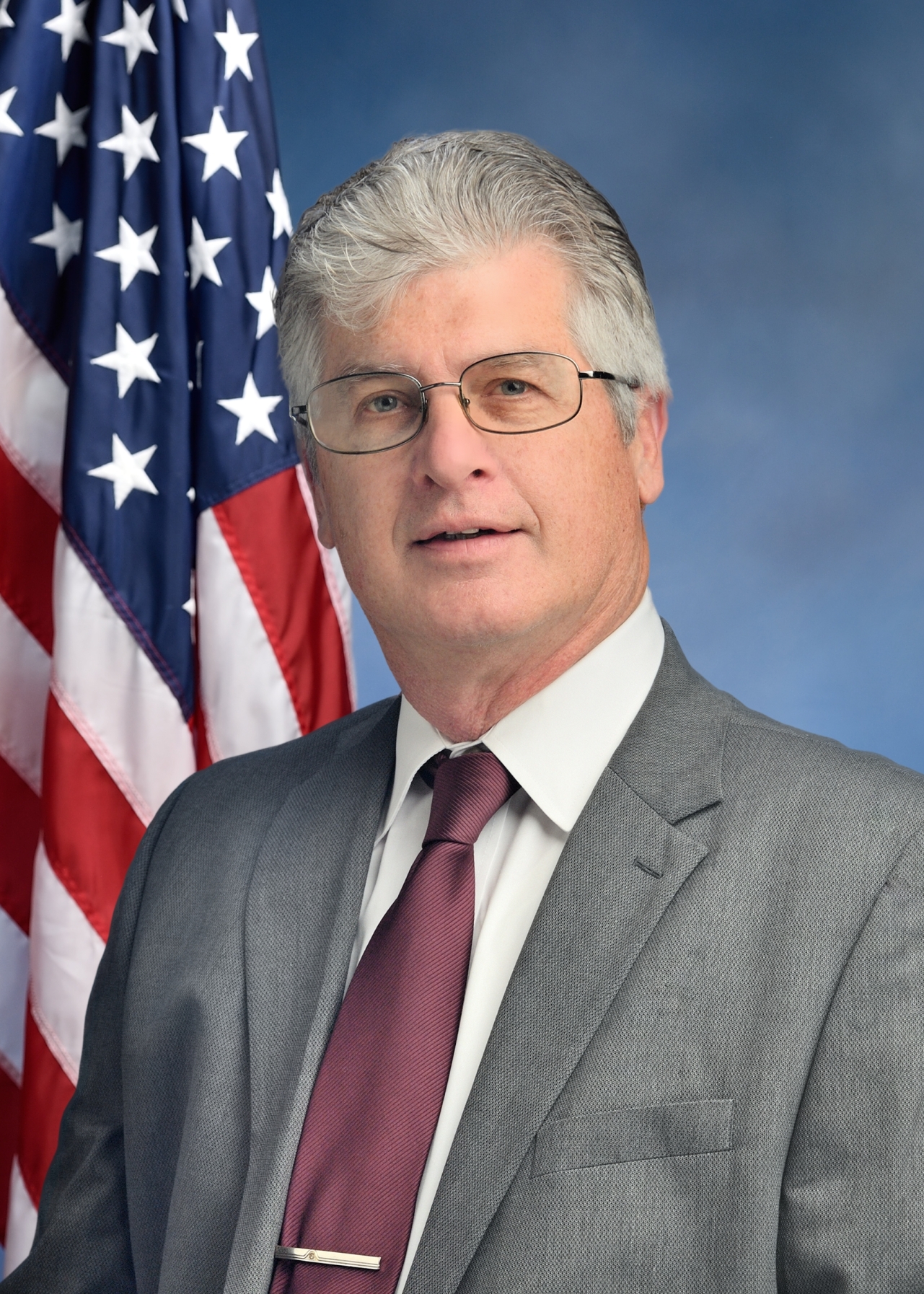
Rep. Chris Eachus
Sponsored bills
Maddy summaryThis bill amends New York's stalking law to explicitly include unauthorized Bluetooth tracking as a form of "following" in the crime of stalking in the fourth degree. It directly affects individuals who use Bluetooth technology to secretly track another person's location without permission. The key change adds Bluetooth (along with GPS) to the legal definition of "following," making such unauthorized tracking a punishable offense under existing stalking statutes. Stalking in the fourth degree remains a class B misdemeanor under this updated law.
Repeals managed long term care provisions for Medicaid recipients; establishes provisions for fully integrated plans for long term care including PACE and MAP plans.
Maddy summaryThis bill amends New York's mental hygiene law to clarify how court evaluators in guardianship cases are compensated. It specifies that courts may award reasonable payment to these evaluators (including the mental hygiene legal service) from the petitioner, the person alleged to be incapacitated, or their estate, depending on the case outcome. If a petition is denied or the person dies before a decision, the court can still order payment from the petitioner or the estate. The change ensures consistent rules for covering evaluator costs in guardianship proceedings, directly affecting courts, petitioners, and individuals involved in guardianship cases.
Maddy summaryThis bill updates the definitions and requirements for organizations that provide fiscal intermediary services within the consumer directed personal assistance program. It establishes a new category of "Fiscal intermediary" alongside the existing "Statewide fiscal intermediary," allowing certain entities, like those with Department of Health contracts or independent living centers, to operate in this role. These new fiscal intermediaries will have the same status as the Statewide fiscal intermediary and can directly contract with managed care plans and other programs. The bill also removes the procurement process requirement for the Statewide fiscal intermediary and streamlines registration rules for these service providers.
Maddy summaryThis bill establishes a 25-year retirement plan for firefighters employed by New York State's Division of Military and Naval Affairs, specifically airport firefighters (apprentice through level III) and training safety officers. Eligible members can retire after 25 years of creditable service - including prior work with organized fire departments and wartime service after World War I - receiving a pension equal to half their final average salary. Members must elect to join the plan within one year of the bill's effective date. The plan serves as an alternative to existing retirement options under state law.
Authorizes recoupment by the state or any political subdivision of financial incentives such as awards, loans, grants or tax abatements, awarded businesses for purposes of job training, job creation or retention, or the development of business operations, upon recipient's failure to complete the terms of the incentive.
Increases penalties for endangerment of a highway worker; promotes work zone safety awareness; establishes a fund for additional work zone safety enforcement.
Relates to updating the driver's manual provided to accepted learner's permit applicants and driver education courses to include a description of law enforcement procedures during traffic stops and the actions a motorist shall take during such stop including appropriate interactions with such officers.
Maddy summaryThis bill updates rules for when construction projects must pay local prevailing wages. It applies to projects using at least 20% public funds (or $3 million/$5 million in public funds) for construction costs. Exemptions include single-family homes, small nonprofits, and certain affordable housing developments meeting specific affordability requirements. This affects contractors and developers working on qualifying projects funded in part by public money.