

Permits a school food authority to attribute moneys spent on purchases of food products from New York state farmers, growers, producers or processors made for its school breakfast program to the thirty percent of costs for school breakfast, snack and lunch service programs.
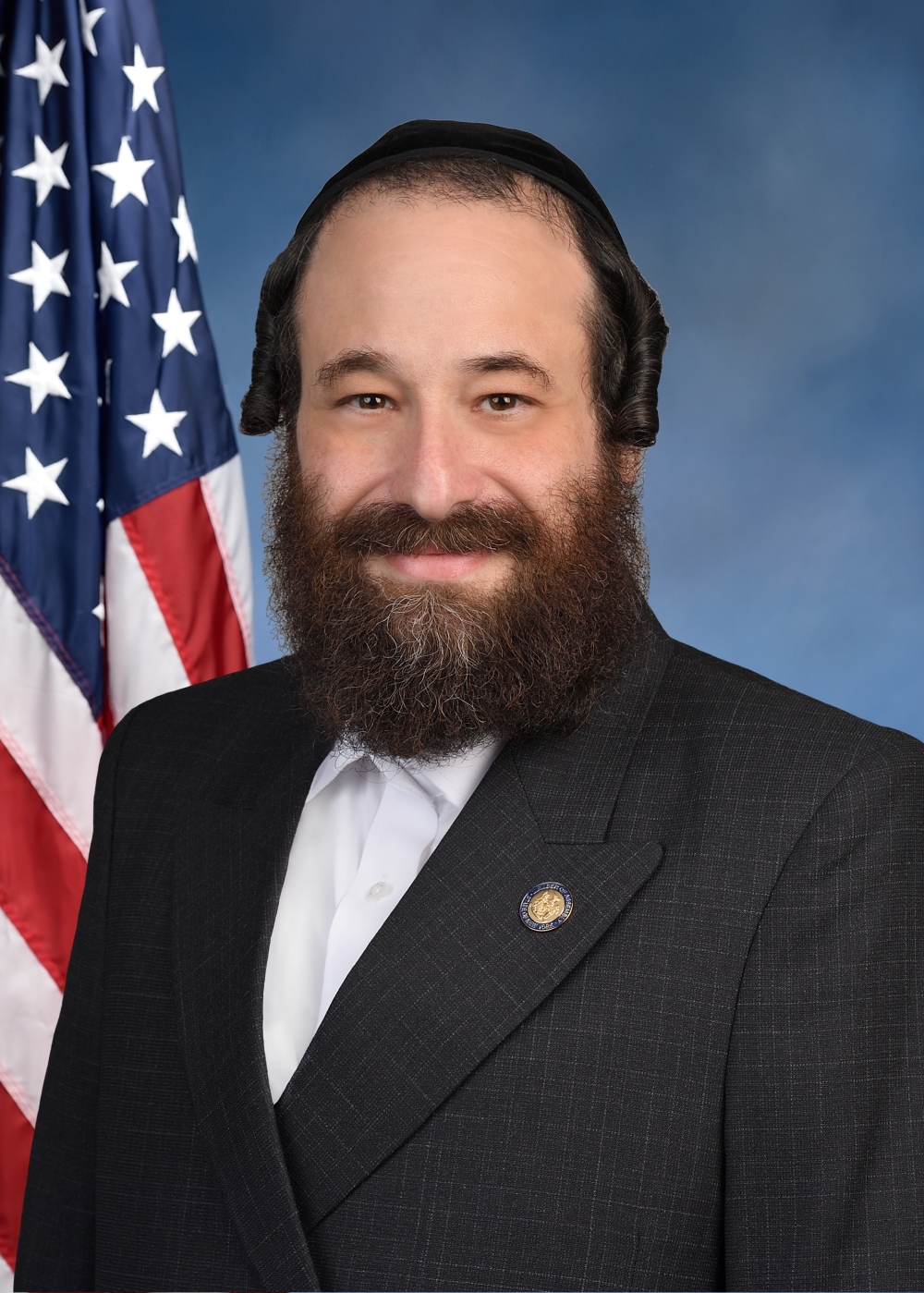
Asm. Aron Wieder
Sponsored bills
Defines the practice of certified registered nurse anesthetist; requires collaboration with a licensed physician qualified to determine the need for anesthesia services; requires licensing; defines qualifications.
Grants volunteer firefighters and emergency medical technicians academic credit at state operated institutions of the state university of New York and the senior colleges of the city university of New York to the extent of three academic credits per year, and 6 credits in the aggregate; provides that no fee, tuition or other charge shall be assessed against a volunteer firefighter or emergency medical technician who qualifies for such credit; directs the board of trustees of the state university and the city university of New York to adopt necessary procedures.
Maddy summaryThis bill makes it a felony to intentionally stage a construction site accident to file a fraudulent insurance claim. It directly affects individuals or groups who enter construction sites to fake injuries or damage with the specific intent of submitting a false insurance claim. The law criminalizes both personally staging such accidents and directing others to do so, treating it as a class E felony punishable by prison time. The key provision creates a new criminal offense specifically targeting insurance fraud at construction sites.
Relates to coverage for applied behavior analysis and for developmental, individual-differences, relationship-based treatment of autism spectrum disorder.
Maddy summaryThis bill proposes to extend the age of eligibility for certain educational programs and benefits for students with disabilities from 21 to 22 years old. It would allow students with disabilities to receive a high school diploma from specific educational facilities or districts until age 22. The bill also permits vocational education and extension boards to provide transportation to career education classes for these students until they turn 22, adjusting related funding mechanisms. Additionally, it updates the definition of "child" for certain educational reporting purposes to include students with disabilities up to age 22.
Maddy summaryThis bill modifies New York City police pension calculations for detectives, sergeants, and lieutenants. It adds 5%, 10%, or 15% to a retiree’s highest rank salary (based on 25, 30, or 35 years of uniformed service) when computing pension benefits, replacing existing calculations under section 14-111. The increase applies only to those retiring in their current rank after meeting the service threshold. It directly affects NYPD members in these ranks who meet the specified service years, without providing additional benefits beyond the pension calculation adjustment.
Establishes statewide pilot programs for the purpose of promoting the use of alternatives to opioid treatment for individuals suffering from chronic lower back pain by offering access to nonpharmacologic treatments such as acupuncture and chiropractic services.
Maddy summaryThis bill limits the information insurers must provide to determine suitability for term life insurance policies to just a consumer's age and annual income. It prohibits the insurance superintendent from creating or enforcing any regulations requiring additional suitability information (like investment goals or family needs) when selling or amending term life insurance policies. The law directly affects insurers selling term life insurance in New York and the superintendent's regulatory authority over such policies. Existing regulations (like 11 NYCRR Part 224) contradicting this bill are deemed null and void, requiring the superintendent to amend them.
Maddy summaryThis bill authorizes New York's Dormitory Authority to provide additional services to local governments (counties, cities, towns, villages) and the Department of Environmental Conservation. It specifically allows the authority to help these entities construct, improve, or equip facilities like public buildings or environmental infrastructure. Key provisions include explicit protections preventing displacement of current public workers (including reduced hours or benefits) and prohibiting changes to existing collective bargaining agreements or transfer of public employees' duties. The bill does not apply to projects using certain alternative delivery methods under the Infrastructure Investment Act.