

Establishes an economy-wide cap and invest program to support greenhouse gas emissions reductions in the state by setting a maximum allowable amount of greenhouse gas emissions by covered entities and regulating the sale or auction of greenhouse gas emissions allowances to covered entities.
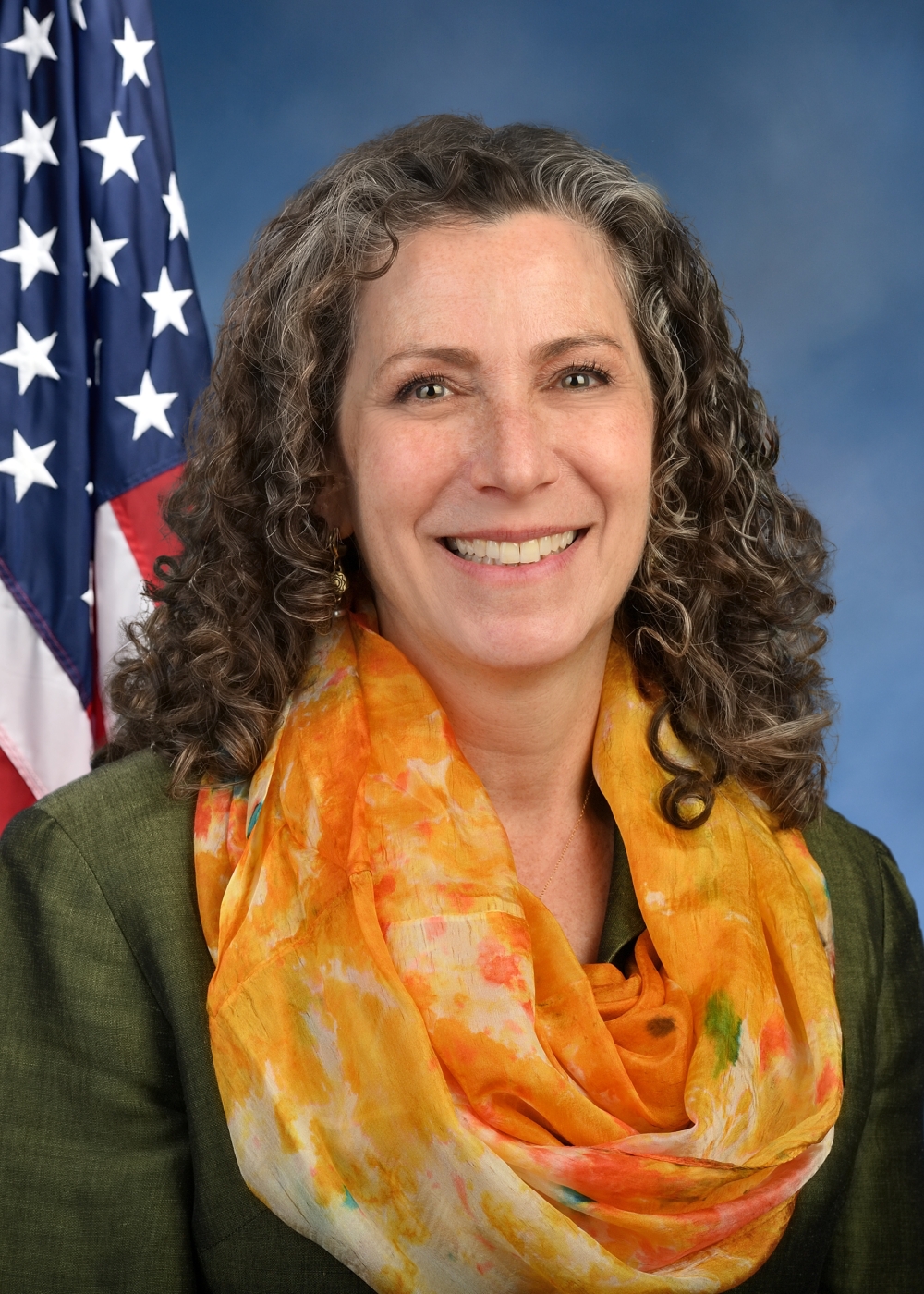
Asm. Dana Levenberg
Sponsored bills
Maddy summaryThis bill exempts qualifying innovative septic systems from sales and use taxes. It specifically covers systems with enhanced treatment technologies (like advanced nitrogen removal) that serve single properties (residences or small businesses) and handle no more than 1,000 gallons of waste daily. Homeowners and small businesses purchasing these systems will avoid paying state sales and use taxes on the equipment. The exemption applies only to systems meeting the defined technical and usage criteria. The bill became effective immediately upon enactment.
Maddy summaryThis bill expands eligibility for New York's Address Confidentiality Program to include election officers. The program protects individuals at risk of violence by allowing them to use a confidential address instead of their actual residence for official purposes. Election officers - defined as those covered under existing election law - can now enroll to shield their home addresses from public disclosure. This change directly affects election workers who may face safety risks, adding them to the existing list of eligible participants like domestic violence victims and reproductive health care staff. The bill modifies existing law to formally include election officers in the program's eligibility criteria.
Maddy summaryThis bill (A 6429) amends New York's penal law to remove an exception for second felony drug offenders. Specifically, it deletes language that previously allowed some second-time drug offenders (whose prior felony wasn't violent) to avoid mandatory sentencing. The bill repeals a related subdivision (Subdivision 4 of Section 70.70) and updates definitions in the criminal procedure law regarding prior convictions. These changes apply immediately to cases where sentencing occurs after the effective date, affecting second felony drug offenders who would no longer qualify for the removed exception.
Prohibits the naming of state buildings after a public officer during the period in which that person is a public officer or after a public officer who has been convicted of a felony.
Relates to clarifying which entities handle the reporting of pregnancy loss; the responsibilities of health care providers and penalties for not protecting the identities of individuals who suffered a pregnancy loss.
Maddy summaryThis bill changes New York's residency requirement for local government assessors. It allows local governments to appoint residents of directly adjacent states (like New Jersey or Connecticut) to the position, in addition to New York residents, if they meet other qualifications. The key provision gives local legislative bodies an optional choice: they may now hire an out-of-state resident for the assessor role instead of requiring a New York resident. This affects local governments that appoint assessors, directly expanding the pool of eligible candidates for that specific position.
Maddy summaryBill A 8035 authorizes additional building aid for school districts to help cover specific infrastructure costs associated with zero-emission school buses. This aid addresses "incremental zero-emission school bus storage costs," which include modifications to bus facilities, specialized equipment, and advanced fire suppression systems. It also covers "incremental customer-owned make-ready costs" for infrastructure needed to install electric vehicle chargers. The aid applies to approved expenditures incurred through the 2034-2035 school year, provided these costs are not reimbursed by other state, federal, or utility funding sources. This measure aims to assist school districts with the necessary infrastructure investments for transitioning to zero-emission school bus fleets.
Maddy summaryThis bill requires state, county, and local transportation agencies to design all publicly funded road projects - including construction, reconstruction, and major maintenance - to safely accommodate all users (drivers, pedestrians, cyclists, and transit riders) through "complete street" principles. It applies to projects receiving both federal and state funding under transportation department oversight, excluding routine resurfacing but including projects with a 10+ year lifespan. The law mandates agencies consider factors like traffic volume, population density, and community input when planning, rather than automatically prioritizing vehicles. It does not change existing project approvals but sets new standards for how projects must be designed.
Requires Medicaid to provide comprehensive coverage for the treatment of obesity including coverage for intensive behavioral therapy, bariatric surgery, and FDA-approved anti-obesity medication.