

Maddy summaryThis bill establishes a legal framework for safe injection sites in New York, creating a program approved by the Department of Health to provide overdose prevention services. It directly affects people who use drugs (participants), community health organizations operating the sites, and local communities through designated locations. Key provisions require sites to offer sterile equipment, overdose monitoring, naloxone access, referrals to treatment, and language-accessible education, while mandating annual reporting on participant numbers and services. The bill also provides legal immunity from arrest or penalties for participants, staff, and property owners who follow approved protocols, ensuring these sites operate without criminal or civil liability.
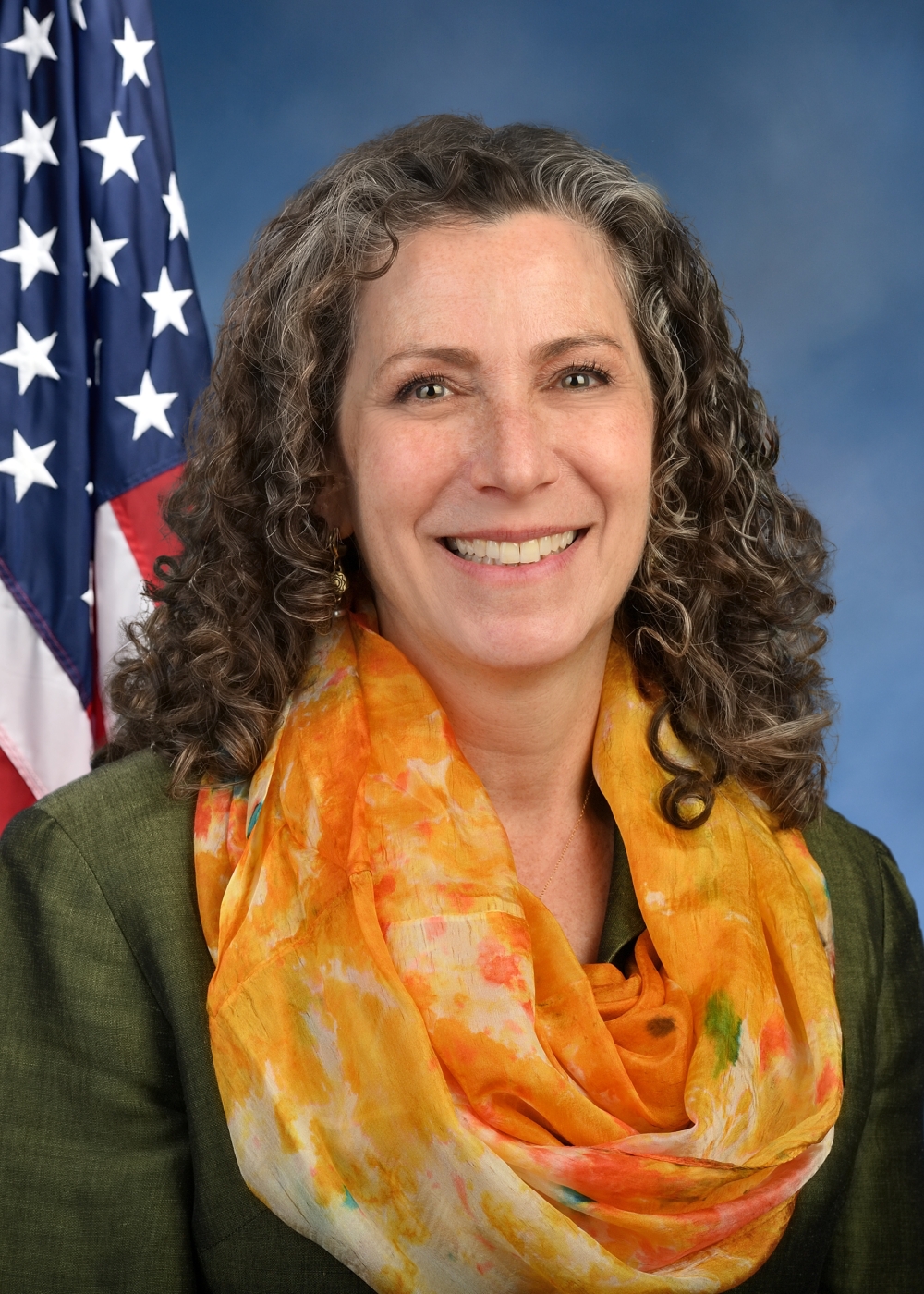
Asm. Dana Levenberg
Sponsored bills
Maddy summaryThis bill requires schools to add a checkbox on student registration forms, allowing parents to authorize library cards for their minor children during enrollment. The state education board must create a system to process these requests through the school forms. It directly affects parents, public libraries, and schools by integrating library access into the standard registration process. The law takes effect 120 days after enactment.
Creates a wholesale prescription drug importation program which complies with federal standards and regulations for the purpose of generating substantial savings for consumers.
Maddy summaryThis bill defines "bicycles with electric assist" (e-bikes) under New York's Vehicle and Traffic Law and establishes specific operating rules for them. It adds e-bikes to the legal definition of bicycles, clarifies they are not motor vehicles, and sets a maximum 5 mph speed limit when riding on sidewalks (only when necessary for accessing adjacent property, work, or snow removal). The law explicitly states local governments may still create their own e-bike regulations. It directly affects e-bike riders, pedestrians, and local authorities managing sidewalk use.
Authorizes the New York state energy research and development authority to administer a program to provide grants or loans for the costs related to enabling switching residences with propane or fuel-oil heating systems to efficient electric heat pumps.
Requires institutions and local correctional facilities to adhere to certain standards regarding the surveillance of incarcerated individuals and detainees, and access to such surveillance recordings.
Enacts the "Livable New York act" to fight back against climate change, provide additional affordable housing and provide employment opportunities for formerly incarcerated individuals; makes a three billion dollar appropriation therefor.
Maddy summaryThis bill requires health insurance plans in New York to cover specific pre-term labor care. It mandates coverage for home nursing visits to monitor expectant mothers diagnosed with pre-term labor (between 20-36 weeks of pregnancy), administration of Makena medication by nurses, and counseling services for emotional support. These services are required for individuals who have experienced pre-term labor, miscarriage, stillbirth, or infant loss within a month of birth. The law applies to all health insurance policies providing hospital, surgical, or medical coverage, directly affecting insurers and pregnant people with these specific needs.
Maddy summaryThis bill requires New York's mental health commissioner to create a public anti-stigma education program targeting the general public and specific underserved groups, including Black, Latina/Latino adolescents, LGBTQ+ individuals, Asian descent communities, veterans, and rural residents. The program must reduce stigma about mental health and substance use disorders, improve understanding of symptoms and treatments, and provide clear information on accessing resources through social media, radio, print, and community forums. It mandates collaboration with community stakeholders and consumer advocates to ensure culturally appropriate materials. The law takes effect immediately upon passage.
Provides for loan forgiveness for social workers who commit to work in counties with less than two hundred thousand population, or towns which have a population of less than one hundred fifty persons per square mile for the duration of the award.