Establishes the nutrient inactivant application permit to allow for the use of products used for controlling phosphorus levels in lakes or ponds to prevent and inhibit harmful algal blooms.
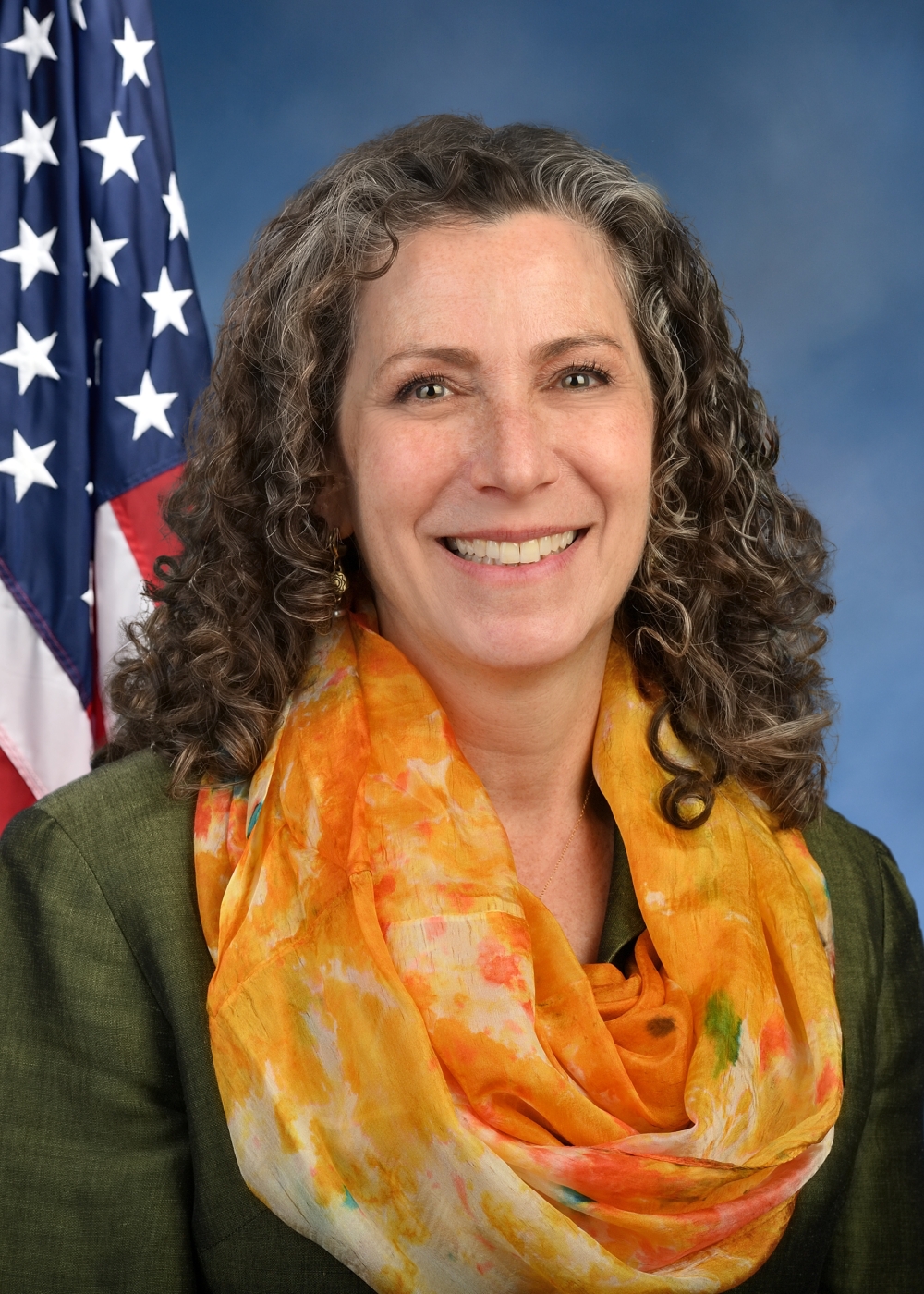
Asm. Dana Levenberg
Sponsored bills
Provides that gas, electric, or combination gas and electric corporations shall not be permitted to retain revenues derived from their actual return on equity in excess of authorized rates of return on equity.
Establishes a person is guilty of assault in the second degree when such person intends to cause physical injury to an employee of New York state or any of its political subdivisions or of a public authority or a public benefit corporation while such employee is performing such employee's duties.
Directs the department of civil service to conduct a study on competitive examinations for public employment held by the state department of civil service and by municipal commissions to determine whether the contents of such examinations have a discriminatory effect on minority examinees; requires a report on such findings to be delivered to the governor and legislature.
Authorizes courts to hold evidentiary hearings for a temporary order of protection in certain circumstances; grants superior court judges the authority to issue a temporary order of protection when an action is pending in a local criminal court in certain circumstances.
Maddy summaryThis bill (A 3742) requires all high schools to keep opioid antagonists (like naloxone) available for emergency overdose treatment and to have at least one trained employee present during all school hours and after-school activities. The law mandates schools to acquire the medication, designate a staff member who completed approved training in its use, and ensure that employee oversees storage and administration. It directly affects high schools, students, and staff by establishing a concrete protocol for responding to opioid overdoses on school grounds. The bill takes immediate effect upon enactment and does not include exemptions for school activities.

Establishes the reentry assistance program; provides for eligible incarcerated individuals to receive a monthly stipend upon release from a state correctional facility; makes an appropriation of $25,000,000.
Maddy summaryThis bill removes specific eligibility restrictions for Medicaid home care services in New York. It repeals a provision requiring individuals seeking home care to meet strict activity-of-daily-living criteria (like needing assistance with multiple tasks) or dementia-related supervision levels. The change directly affects Medicaid recipients needing home care services, particularly those with dementia or Alzheimer's who previously faced these barriers. The policy shift simplifies eligibility by eliminating these prior requirements for people applying on or after October 1, 2020. The bill modifies New York's social services law to broaden access to home care services under Medicaid.
Maddy summaryThis bill establishes a new health coverage option under New York's 1332 state innovation program, allowing the state to create a health plan for specific uninsured New Yorkers who don't qualify for Medicaid or ACA marketplace plans. It directly affects residents under 65 with household incomes between 133% and 250% of the federal poverty line, including some noncitizens ineligible for Medicaid due to immigration status. Key provisions include requiring coverage for essential health services (like cancer care access at Medicaid rates, dental, vision, and chronic illness support), automatic enrollment for children born to eligible parents, and continued coverage during pregnancy for one year postpartum. The program requires federal approval under the ACA's Section 1332 waiver process and operates alongside existing Medicaid and marketplace plans.
Requires each town, village, and city to develop a "housing action plan for everyone", including consideration of local needs and specific strategies to address those local needs.