

Maddy summaryThis bill requires developers seeking permits for major projects near low-income or minority neighborhoods to submit a detailed public engagement plan. The plan must include maps of the community, locations of sensitive sites like schools, a schedule for at least three public meetings, and materials in plain language translated into common community languages. Applicants must also provide quarterly progress reports and ensure community input influences project design. This applies to projects within one mile of designated disadvantaged communities, aiming to improve transparency and community involvement in environmental permitting.
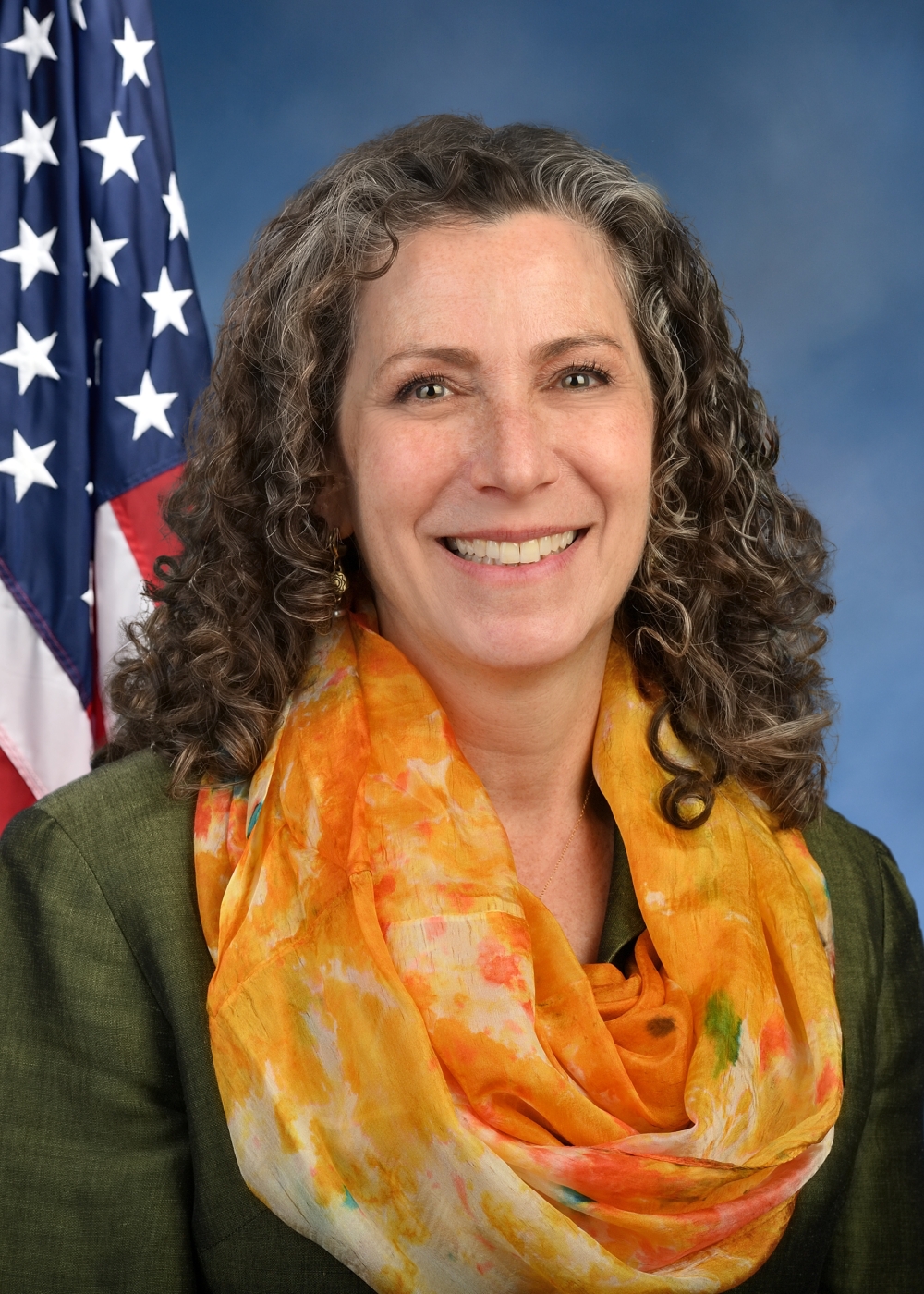
Asm. Dana Levenberg
Sponsored bills
Establishes confirmatory adoptions providing for the adoption of children born as a result of assisted reproduction; allows for more than two persons to be named parents of a child; establishes presumed parentage and provides for the challenge and adjudication thereof; repeals certain provisions relating thereto.
Maddy summaryBill A 8423 establishes a new cap on the credit service charges applied to motor vehicle retail installment contracts. It limits these charges to a maximum annual rate of sixteen dollars per one hundred dollars. This change directly affects consumers who purchase motor vehicles using installment plans and the dealerships that provide this financing. The bill also specifies how these charges are to be calculated, based on the vehicle's cash sale price, down payment, official fees, and insurance.
Maddy summaryThis bill updates rules for when construction projects must pay local prevailing wages. It applies to projects using at least 20% public funds (or $3 million/$5 million in public funds) for construction costs. Exemptions include single-family homes, small nonprofits, and certain affordable housing developments meeting specific affordability requirements. This affects contractors and developers working on qualifying projects funded in part by public money.
Maddy summaryThis bill increases the state commission of correction from 3 to 9 members. It specifies that 3 members are appointed by the governor (with Senate confirmation), 2 by the Assembly speaker, 2 by the Senate Temporary President, and 2 by the Correctional Association. The commission must now include at least one person formerly incarcerated in a New York correctional facility, a public health professional, a behavioral healthcare professional, an attorney with criminal defense or prisoner rights expertise, and others deemed beneficial. The bill also sets term lengths and removal procedures for commission members.
Relates to authorizing voting by incarcerated individuals in correctional facilities; requires the department of corrections and community supervision, in collaboration with the state and county boards of election, to establish a program to facilitate incarcerated individuals voter registration and voting.
Requires ice skating rinks maintain a certain indoor air quality and maintain a certificate of acceptable air quality where a resurfacing machine is used.
Establishes the green affordable pre-electrification program to assist owners and tenants in residential properties in curing structural and building code defects which render the properties ineligible for improvements or projects relating to energy savings, green-house gas emissions reductions, climate change adaptation and resiliency project grants; establishes the energy efficiency and electrification interagency coordination group to coordinate between certain energy efficiency programs.
Maddy summaryThis bill automatically qualifies children with elevated venous blood lead levels (at or above 5 mcg/dl) for early intervention services by adding this condition to the legal definition of "disability" in public health law. It directly affects young children under three years old who are identified with lead levels meeting this threshold during medical screenings. The key mechanism amends Public Health Law to include elevated blood lead levels as a qualifying condition, eliminating the need for separate evaluations to access services. This change ensures children exposed to lead - known to cause developmental delays - receive timely support without administrative barriers.
Relates to gender balance on boards of state and local public authorities; provides that all appointive state and local authorities heretofore or hereafter established by law or resolution shall have recommendations for appointments, or reappointments that are gender balanced.