

Maddy summaryBill A 7467 expands the legal definitions of "sewage" and "sewerage system" for specific water, sewer, and water and sewer authorities. It explicitly includes "stormwater" within these definitions, meaning these authorities will legally manage stormwater as part of their waste and collection systems. The bill also defines "stormwater" as unabsorbed flow from rain or meltwater on the ground or other surfaces. This aims to clarify the responsibilities of these authorities for the collection, conveyance, treatment, and disposal of stormwater.
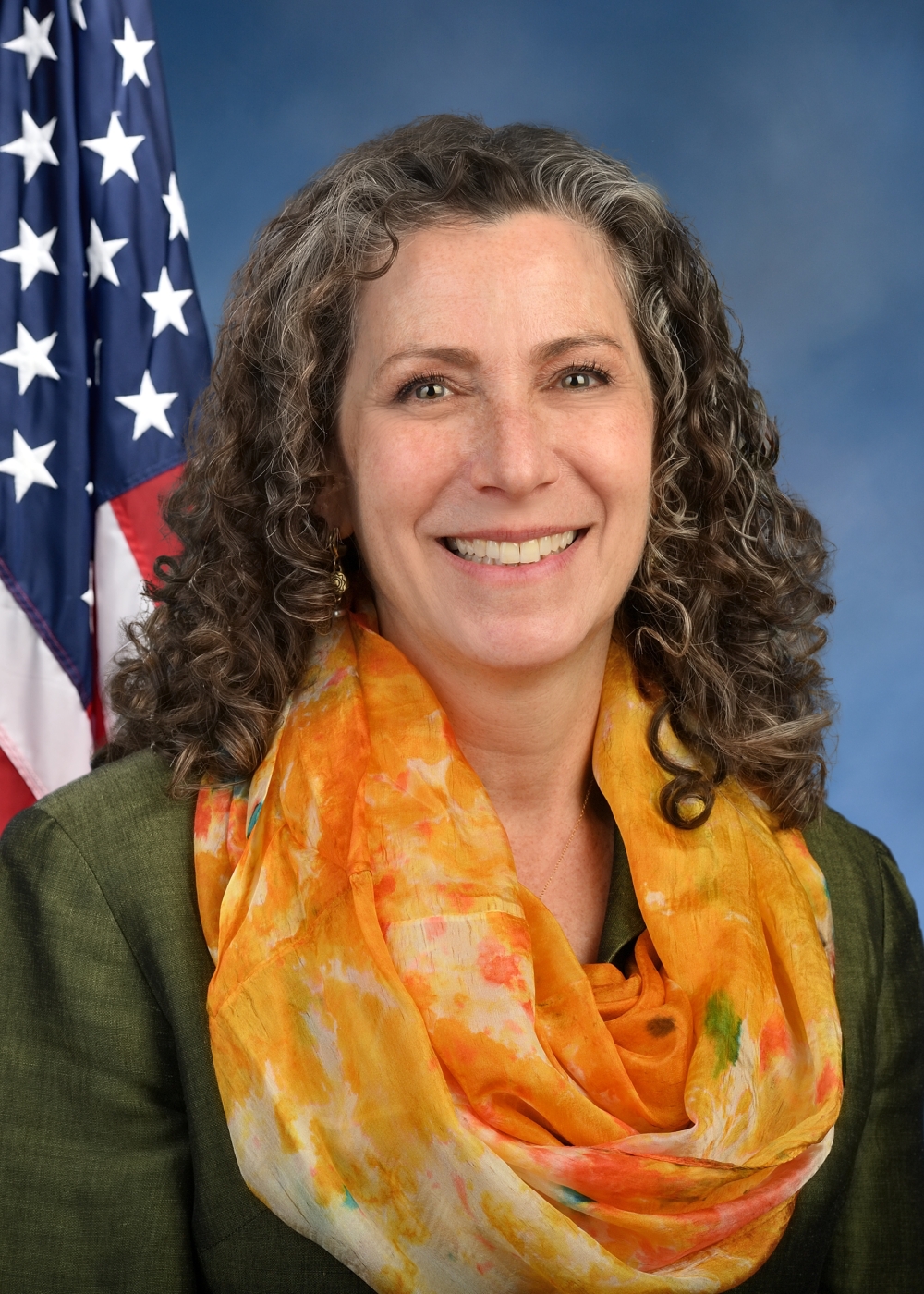
Asm. Dana Levenberg
Sponsored bills
Provides that an accusatory instrument or supporting deposition consisting of factual allegations by a deponent with limited English proficiency is not sufficient unless accompanied by a sworn statement from an interpreter affirming the accuracy of the English interpretation.
Maddy summaryThis bill amends New York's environmental conservation law to define "coal tar" for pavement products. It specifies that coal tar is a thick liquid from coal distillation containing polycyclic aromatic hydrocarbons (PAHs) above 1,000 milligrams per kilogram. The definition explicitly includes certain residues like ethylene or steam cracked residues. This change directly affects manufacturers and suppliers of pavement materials using coal tar, as it sets a clear regulatory threshold for PAH levels. The bill was advanced to third reading in April 2025 but was later substituted by S3179.
Maddy summaryThis bill amends New York's correction law to standardize how courts determine sex offender registration levels and classifications. It requires courts to use specific risk assessment tools to decide if a sex offender (released on probation, conditional discharge, or with a fine) must register long-term, be classified as a sexual predator/violent offender, or receive higher community notification. The process includes mandatory hearings where the district attorney must prove classifications with clear evidence, offenders can present evidence, and courts must provide written notices explaining the classification's impact on registration duration and public disclosure. The bill also ensures confidentiality for board recommendations and guarantees legal representation for financially unable offenders.
Maddy summaryThis bill directs New York's Department of Environmental Conservation (DEC) to establish air quality standards for specific harmful pollutants like benzene, mercury, and formaldehyde by December 2027. It requires major pollution sources (factories emitting 10+ tons/year of toxic pollutants) to include these standards in their permits starting in 2028 and mandates fenceline monitoring near disadvantaged communities. The law ensures standards are based on health science and considers community proximity to pollution sources, directly affecting industrial facilities and communities near them.
Relates to youth programs sponsored by fire departments; provides that participants may respond to an emergency or hazardous activity, but shall remain in an appropriate and safe designated area that has been established by the chief or officer in charge; provides such participants cannot respond to an emergency on a vehicle using lights and/or sirens; provides such participants may not enter a burning structure; protects volunteer fire departments and fire companies from certain criminal and civil liability potentially arising from the operation of a youth program.
Provides additional protections for sensitive health information; requires all health information networks, electronic health record systems, and health care providers to provide patients with a right to restrict the disclosures of such patient's health information; defines terms; provides for exceptions.
Requires the municipal police training council establish standards for the destruction of controlled substances; requires such destruction of controlled substances policies be publicly available.
Prohibits the idling of any passenger vehicle, with certain exceptions, for more than 3 consecutive minutes; establishes the first violation is a warning and subsequent violations of such section are traffic infractions punishable by a fine of $150.
Provides that charter school applicants shall first apply to the community district education council or the board of education of the school district for approval for renewal of a charter within a certain amount of time and public hearings shall be conducted on such proposed application.