

Requires the advisory council on maternal mortality and morbidity to undertake a review of the cesarean births at hospitals in the state; requires two licensed midwives to be on the advisory council.
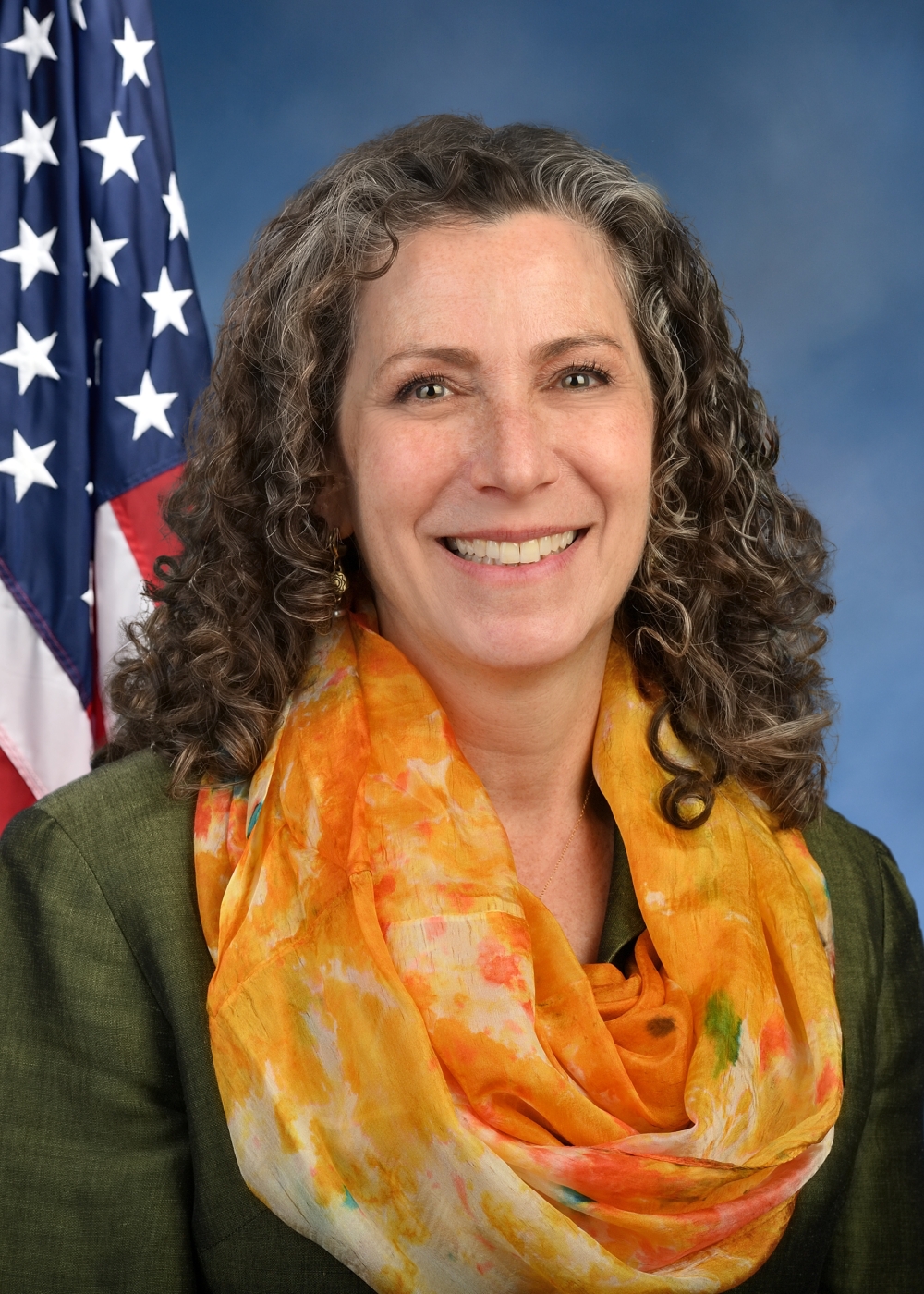
Asm. Dana Levenberg
Sponsored bills
Provides that certain purchase contracts to purchase food can be awarded to a qualified bidder who fulfills certain values based procurement standards when such bid is not more than 10% higher than the lowest responsible bidder and when the bidder makes publicly available data on where such bidder sources their food items; sets forth the criteria for values based procurement standards to include local economies, environmental sustainability, racial equity, valued workforce, animal welfare, and nutrition.
Maddy summaryThis bill amends New York's harassment laws to classify the removal or threat of removing religious clothing as a crime of aggravated harassment in the second degree. It directly affects individuals who may have their religious garments taken or threatened to be taken away by someone intending to harass, annoy, threaten, or alarm them. The law specifies that this act is criminal when motivated by the perpetrator's beliefs or perceptions about the victim's race, religion, gender, or other protected characteristics, regardless of whether those beliefs are accurate. By adding this specific behavior to the list of prohibited physical contacts, the legislation expands the scope of what constitutes criminal harassment in public spaces.
Maddy summaryThis bill expands the State Commission of Correction from three to nine members to include a broader range of perspectives in overseeing the state's correctional system. The new commission will consist of appointees from the governor, the Assembly speaker, the Senate temporary president, and the correctional association, with specific requirements that at least one member be a formerly incarcerated individual, a public health professional, a behavioral health expert, or an attorney specializing in prisoner rights. To ensure stability and balance, members will serve staggered five-year terms with a limit of ten years total, and the appointing authority for each member will have the power to remove them for cause.
Maddy summaryThis bill establishes a new regulatory framework for short-term residential rentals, requiring hosts to register their properties and maintain specific safety standards such as posted evacuation diagrams and fire extinguishers. It mandates that hosts keep detailed records of guest stays for two years and submit annual reports to the state, while also requiring booking platforms to share similar data to facilitate enforcement. The legislation creates a system where booking services must verify that a rental unit is properly registered before charging fees, and it allows municipalities with existing registries to continue managing their own systems for local compliance. Additionally, the bill clarifies that these rules apply to all short-term rentals in the state, with specific provisions for large cities to maintain their own registration processes.
Requires advertisements to disclose the use of a synthetic performer; imposes a $1,000 civil penalty for a first violation and a $5,000 penalty for any subsequent violation.
Maddy summaryThis bill prohibits state-operated hospitals, university health facilities, and cancer institutes from suing patients to collect medical debt. It defines medical debt as any amount owed for health care services, products, devices, or ambulance care provided by licensed providers. The law applies specifically to these public institutions and bars them from filing civil or supreme court lawsuits against individuals for such debts. The provision takes effect immediately upon passage.
Requires public notice and public engagement when a general hospital seeks to close entirely or a unit that provides maternity, mental health or substance use care.
Maddy summaryThis bill, known as the Fashion Environmental Accountability Act, requires large fashion retailers to conduct standardized environmental due diligence on their supply chains and creates a remediation fund to address harms. It applies to businesses selling new clothing, shoes, or bags with over $100 million in annual revenue, excluding used clothing sellers and most multi-brand retailers. Companies must map their suppliers across four tiers, from raw material providers to finished goods manufacturers, and report on their efforts to prevent or mitigate environmental damage. The legislation mandates that these reports be independently verified and published using open data principles, while defining a "living wage" as a key standard for worker compensation.
Relates to rechargeable battery recycling; adds a battery used as the principal electric power source for an electric scooter or bicycle with electric assist to the definition of "rechargeable battery"; provides that a battery manufacturer may not sell, offer for sale, or distribute rechargeable batteries in the state unless the battery manufacturer is implementing or participating under an approved plan; allows a city with a population of one million or more to enforce through its own agencies.