

Requires insurance policies to provide coverage for services related to the diagnosis and treatment of mental, nervous or emotional disorders or ailments; makes related provisions.
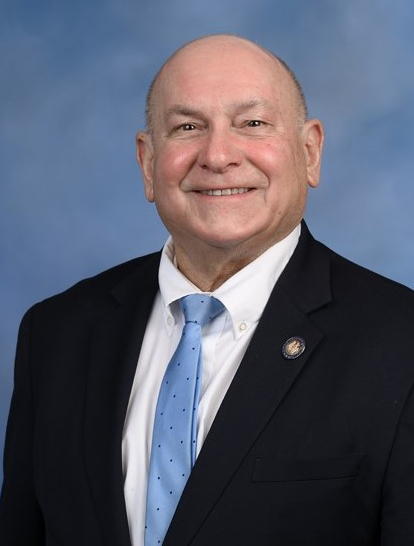
Asm. Chris Burdick
Sponsored bills
Relates to returnable bottles; adds noncarbonated soft drinks, certain noncarbonated fruit or vegetable juices, coffee and tea beverages, carbonated fruit beverages and cider to the definition of "beverage"; provides that beginning April 1, 2027, the handling fee will be six cents for each beverage container accepted by a deposit initiator from a dealer or operator of a redemption center; directs the multi-agency bottle bill fraud investigation team to submit a report on findings of pervasive bottle redemption fraud in New York state.
Maddy summaryThis bill makes it a felony to intentionally stage a construction site accident to file a fraudulent insurance claim. It directly affects individuals or groups who enter construction sites to fake injuries or damage with the specific intent of submitting a false insurance claim. The law criminalizes both personally staging such accidents and directing others to do so, treating it as a class E felony punishable by prison time. The key provision creates a new criminal offense specifically targeting insurance fraud at construction sites.
Establishes the New York Health program, a comprehensive system of access to health insurance for New York state residents; provides for administrative structure of the plan; provides for powers and duties of the board of trustees, the scope of benefits, payment methodologies and care coordination; establishes the New York Health Trust Fund which would hold monies from a variety of sources to be used solely to finance the plan; enacts provisions relating to financing of New York Health, including a payroll assessment, similar to the Medicare tax; establishes a temporary commission on implementation of the plan; provides for collective negotiations by health care providers with New York Health.
Maddy summaryThis bill significantly expands eligibility for judicial diversion programs, allowing individuals charged with a broader range of offenses to participate if they have a "qualifying diagnosis." This diagnosis includes serious mental disorders, other mental health disorders causing severe functional impairment, or substance use disorders. While most Class A felonies and Class B sexual offenses are generally excluded, the bill establishes a new "diversion part" in each county. It also redefines "treatment" within these programs to include evidence-based interventions outside of carceral settings.
Allows for treatment costing less than $1,500 to be done without prior approval, and more clearly defines the list of "pre-authorized procedures" as a floor on treatment as opposed to its current status as a ceiling; allows non-network providers of testing to be compensated at the provider network rate negotiated by the carrier.
Repeals the provision of law that volunteer firefighters and ambulance workers who receive a real property tax exemption for service may not receive the income tax credit for such service.
Prohibits local governments from prohibiting the construction, installation, or operation of carport-mounted solar energy systems with a nameplate capacity of five megawatts or less, in any non-residential zoning district or mixed commercial and residential zoning district of any such city, town or village, provided however, if the zoning district is a certified agricultural district the agricultural impacts of the projects shall be minimized to the extent practicable.
Maddy summaryThe "Total Access to Menstrual Products (TAMP) Act" requires all female-designated and gender-neutral bathrooms in New York to provide free menstrual products - including sanitary napkins, tampons, and panty liners - to users. It directly affects workplaces (factories, mines, offices), public facilities (county/city buildings, state universities), hospitals, hotels, and transportation (railroad cars), mandating these products be available at no cost. Key provisions amend labor, public health, and municipal laws to standardize this requirement across all covered facilities. The law focuses on ensuring accessibility without cost, avoiding policy speculation or advocacy.
Authorizes the transfer of pregnant and postpartum incarcerated individuals to residential treatment facilities; requires annual reporting on the number of such incarcerated individuals transferred.