

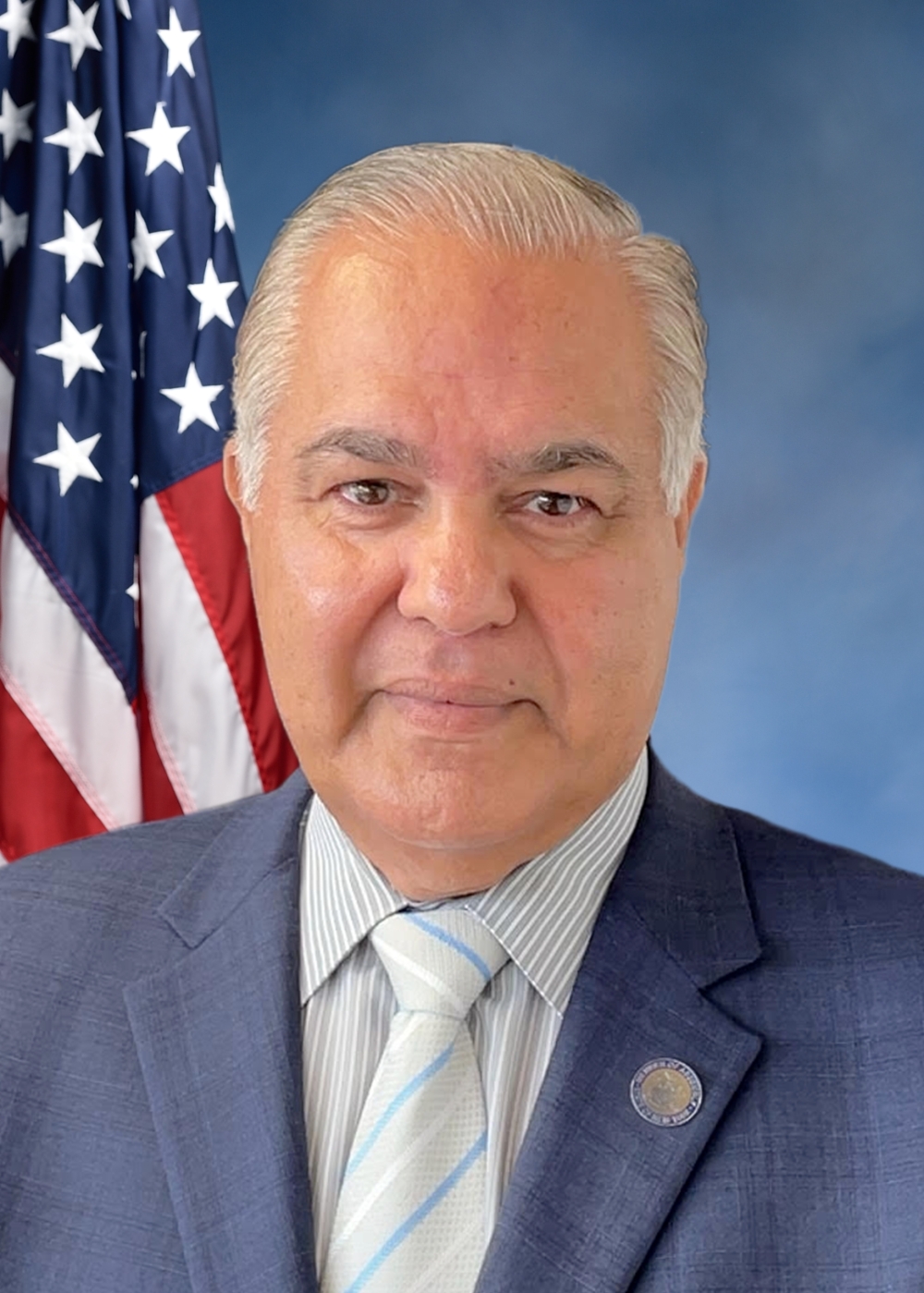
Maddy summaryThis bill (A 6188) formally dedicates a specific bridge on I-88 in Rotterdam (where Becker Road crosses the interstate) to honor CW2 John M. Grassia III, a military veteran. The legislation requires the state transportation commissioner to install and maintain ceremonial signage stating "Bridge Dedicated to CW2 John M. Grassia III" on the bridge. Crucially, the bill clarifies this is purely symbolic and does not change the bridge's official name or affect highway operations. It has no policy impact beyond this commemorative naming. The bill passed the Assembly and was referred to the Senate on June 9, 2025.
Sponsored bills
Directs the superintendent of financial services to conduct an analysis of the financial stability of the check cashing industry and review the current system of licensing for such industry and issue reports on both topics.
Authorizes members or officers of the state police who were previously firefighters receive credit for such previous firefighter service for the purposes of retirement.
Maddy summaryThis bill increases short-term disability benefits for New York workers. It phases in higher weekly benefit rates (from 50% to 67% of average weekly wage) and extends maximum leave duration (from 8 to 12 weeks) over several years, starting in 2018. The changes apply to employees needing short-term disability leave due to illness or injury, directly affecting both workers and their employers who provide these benefits. The bill maintains a cap based on the state average weekly wage and allows the superintendent of financial services to delay increases if needed.
Maddy summaryThis bill increases corporate income tax rates in the state. For most corporations, the rate rises to 7.25% for taxable years beginning on or after January 1, 2026. Corporations with a business income base exceeding $5 million will pay 11.5% instead of the standard rate. The change applies to businesses operating within the state and affects all corporate taxpayers subject to the state's tax law, with specific lower rates for small businesses, manufacturers, and qualified emerging technology companies as defined in the law. The bill takes effect immediately upon enactment for taxable years starting on or after the effective date.
Maddy summaryThis bill establishes new retirement benefits for Westchester County correction officers. It provides two tiers: officers retiring after 25 years of service receive a pension equal to 50% of their final average salary, while those retiring after 30 years receive 60%. The bill also allows full credit for wartime service after World War I and sets early retirement calculations at 1/50th of final salary per year. The county of Westchester bears all implementation costs, and the changes apply immediately to all qualifying retirees.
Includes in the class E felony of vehicular assault in the second degree, the causing of serious physical injury while operating a vehicle with suspended, revoked or no license; creates the crime of vehicular homicide.
Creates the state office of the utility consumer advocate to represent interests of residential utility customers including a proposed change of rates, charges, terms and conditions of service, the adoption of rules, regulations, guidelines, orders, standards or final policy decisions.
Expands eligibility for the tuition assistance program by restoring eligibility to graduate students; makes optional semesters, quarters or terms eligible for awards.
Maddy summaryThis bill (A 9552) changes how appellate courts review jury awards in civil cases involving damages. It requires appellate courts to give the highest level of deference to a jury's factual findings, including their assessment of damages, meaning courts will rarely overturn such awards. The key provision states that a damage award can only be deemed excessive or inadequate if the party challenging it proves, by clear and convincing evidence, that the verdict was so unreasonable it "shocks the conscience" and could not have been reached by any reasonable jury. This directly affects plaintiffs and defendants in civil lawsuits where juries determine monetary damages, making it harder for appeals to change those awards. The law takes effect immediately and applies to all cases filed on or after that date.