

Maddy summaryThis bill provides a full exemption from real property taxes, special district charges, and assessments for the primary residences of certain disabled veterans. To qualify, a veteran must have been discharged under honorable conditions, possess a qualifying disability or be a discharged LGBT veteran, and be rated as permanently and totally disabled by the U.S. Department of Veterans Affairs. The exemption also applies to land used for housing units modified to accommodate the veteran's disability needs, provided the veteran meets all other statutory requirements. This change directly affects eligible veterans by removing their home's tax liability while leaving other existing veteran exemptions intact.
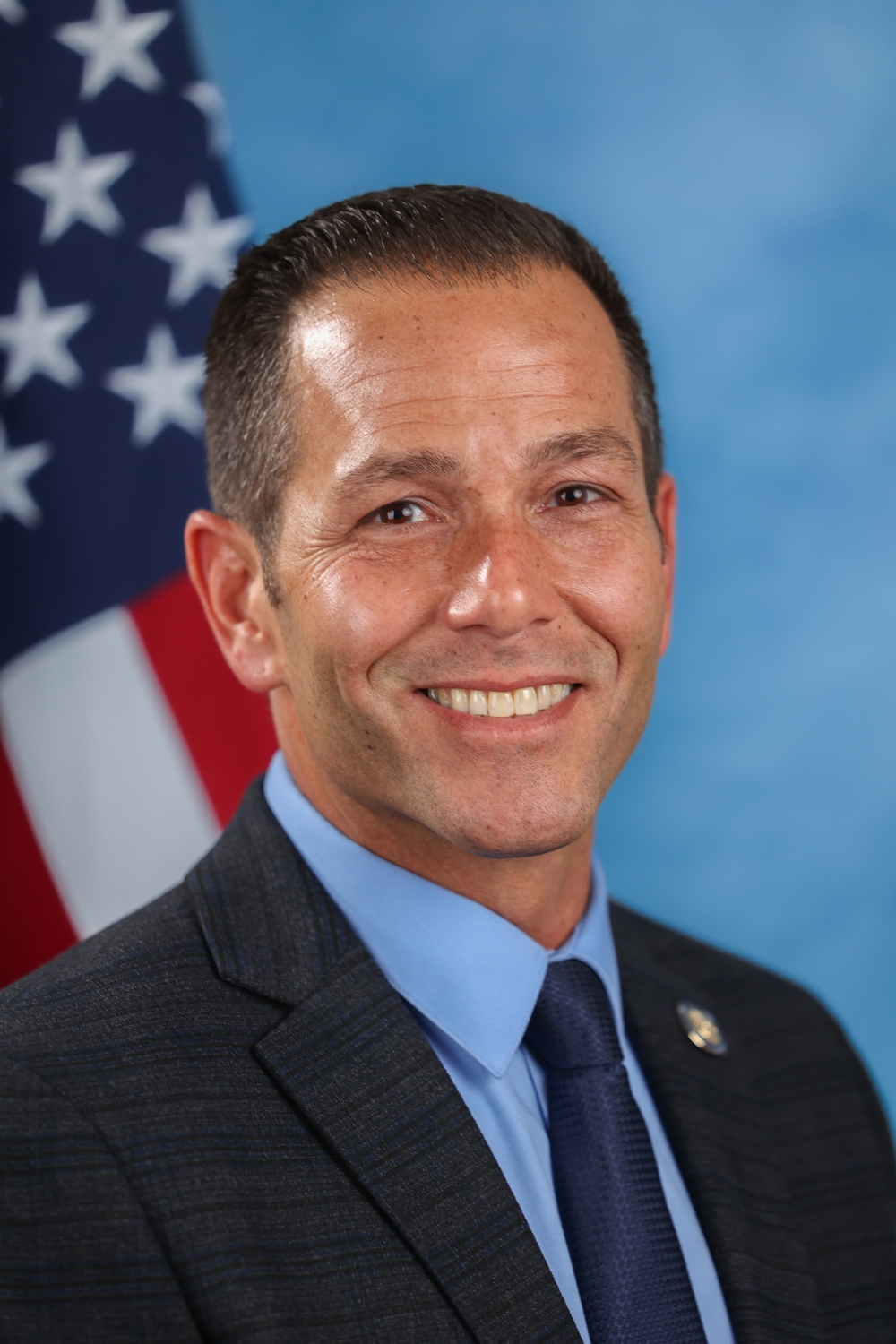
Rep. Michael Durso
Sponsored bills
Maddy summaryThis bill raises the income limit for New York seniors to qualify for the enhanced STAR property tax exemption from its current level to $120,000. It applies to tax years beginning in 2024, meaning seniors with incomes up to $120,000 will now qualify for the exemption. The change directly affects seniors aged 65+ who own their primary residence and apply for the enhanced exemption. This increases the income threshold for eligibility, allowing more seniors to receive this property tax benefit.
Maddy summaryThis bill allows victims of certain misdemeanor offenses to make statements at sentencing. Specifically, it applies when a defendant pleads guilty to a misdemeanor related to a vehicle traffic offense that originally involved a felony charge resulting in serious physical injury to the victim. Victims must request this statement at least 10 days before sentencing, and the court must notify the defendant at least 7 days in advance. If the defendant doesn't receive timely notice, they may request a sentencing delay. The bill does not apply to all misdemeanors, only those tied to specific traffic-related felony charges with serious injury.
Directs the metropolitan transportation authority, in consultation with the Long Island Rail Road, to establish a no fare program for transportation on the Long Island Rail Road for individuals in active military service of the United States and active duty members of the New York national guard, upon showing a military or national guard identification card.
Maddy summaryThis bill (A 2291) requires public utility authorities (like water, gas, or electric providers operating under state law) to get approval from the state legislature before increasing existing rates or fees, or creating new ones. It directly affects these utility authorities by preventing them from unilaterally changing customer costs. The key provision mandates that any rate or fee change must be reviewed and approved by the state legislature first. The bill takes effect immediately upon enactment.
Maddy summaryThis bill requires that certain legislative bills be scheduled for a floor vote if they reach specific co-sponsorship levels. Assembly bills must have at least 76 co-sponsors to be brought to the floor for a vote during the same session they were introduced, while Senate bills need 32 co-sponsors. The law applies to all bills introduced in the current legislative session and mandates that once the threshold is met, the bill must be considered on the floor. It directly affects legislators who introduce bills by setting minimum support requirements for floor consideration.
Prohibits the use of intoxication of the victim as a defense in sex crimes where the victim is under the influence of any drug, intoxicant, or other substance to a degree which rendered the victim temporarily incapable of appraising or controlling such person's conduct and such condition was known or reasonably should have been known to a person in the actor's situation.
Maddy summaryThis bill proposes to gradually lower New York personal income tax rates for residents over a ten-year period starting in 2026. It directly affects married couples filing jointly, surviving spouses, and heads of households by adjusting the tax brackets and rates they pay based on their income. The legislation phases in higher income thresholds for the lowest tax bracket while simultaneously reducing the percentage tax applied to income between $500,000 and $2.155 million. Additionally, the bill removes specific rules regarding the recapture of certain tax benefits. These changes are designed to reduce the overall tax liability for eligible New York residents as the new rates take effect each year.
Maddy summaryThis bill updates how New York State sets payment rates for residential health care facilities (like nursing homes). It requires the state to adjust rates using specific components - direct/indirect price changes, facility-specific costs - and mandates updates by April 1, 2026, and every five years after. Special rate provisions apply to facilities providing specialized care (e.g., for brain injury rehab, AIDS units, or pediatric services), with inflation adjustments starting in 2026. The bill also creates a workgroup of experts to advise on rate-setting and includes funding mechanisms to support facility quality improvements.
Prohibits the elimination of building systems or equipment used for the combustion of fossil fuels, including, natural gas, propane and fuel oil in new building construction.