

Maddy summaryThis bill requires the MTA to create a half-fare program for eligible New York State veterans using public transportation. It applies specifically to veterans who are New York residents, honorably discharged from U.S. military service, and possess a valid New York veteran ID card. The MTA must establish the program but cannot fund it from its regular operating or capital budgets; instead, it can only implement it using state funds specifically allocated for this purpose. The bill defines "veteran" clearly and mandates that the program be implemented with state appropriations.
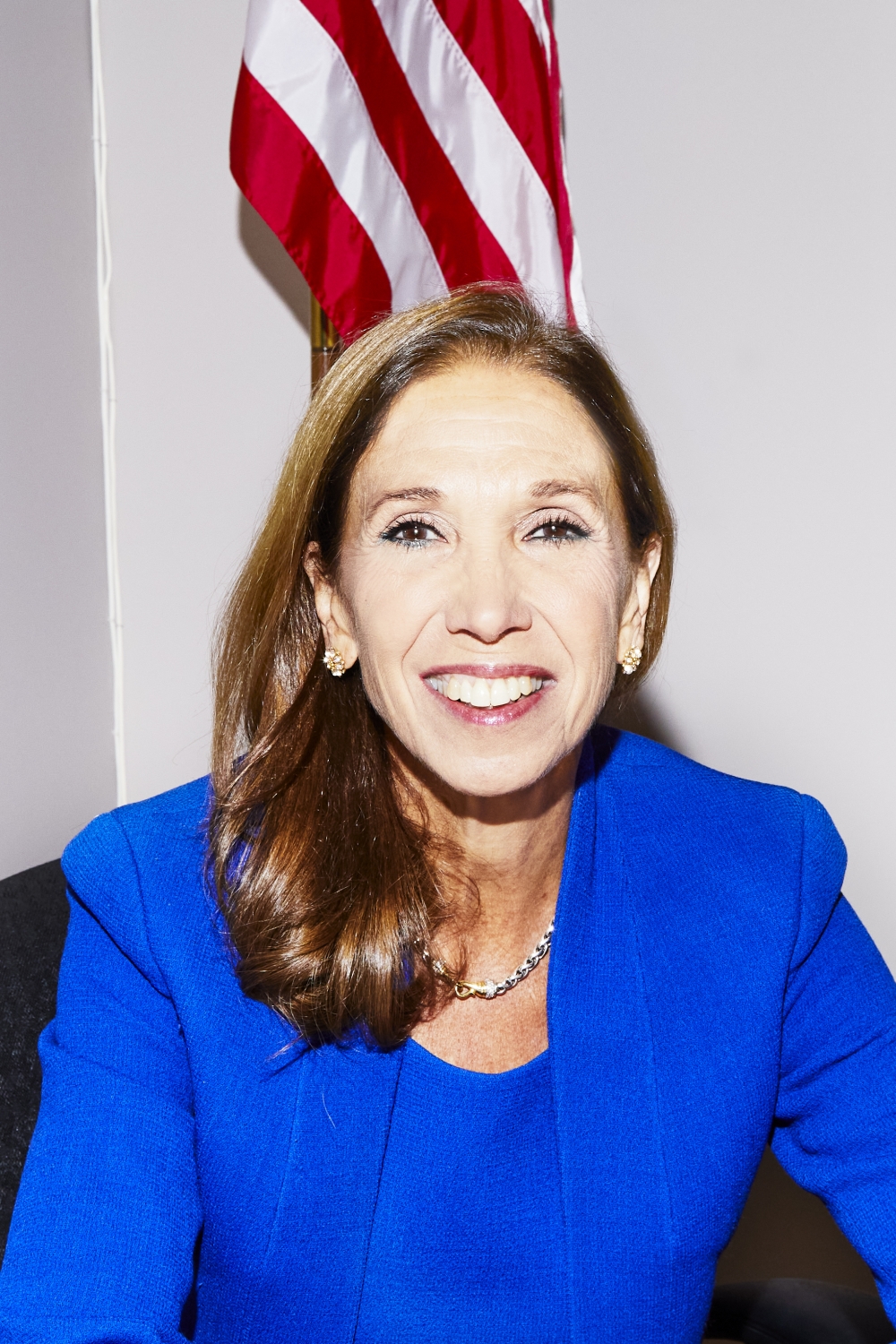
Asm. Amy Paulin
Sponsored bills
Relates to the New York State medical indemnity fund account payments; extends provisions relating to payments from the New York state medical indemnity fund; provides for the repeal of certain provisions upon the expiration thereof.
Requires primary care physicians to post certain information detailing how parents or guardians of infants and children can subscribe to the United States consumer product safety commission's e-mail subscription lists.
Provides that the submission of claims for services provided by home care agencies shall be done on forms approved by the centers for Medicare and Medicaid services.
Authorizes a plaintiff commencing an action alleging conduct constituting a sexual offense or a civil offense involving the transmission of the human immunodeficiency virus shall have the right to proceed anonymously.
Maddy summaryThis bill updates New York's process for certifying voting machines and the terms of their purchase contracts. Vendors must pay a fee for the state board of elections to examine machines, which must meet safety and technical standards - including thorough testing of electronic features - before approval. Contracts for approved machines now require vendors to guarantee at least ten years of free maintenance, service, and training for election officials, replacing a previous five-year requirement. These changes directly affect voting machine companies, the state election board, and local election jurisdictions that must use certified equipment.
Maddy summaryThis bill lowers the voting age for school district elections from 18 to 16 years old. It directly affects 16- and 17-year-old residents in New York school districts who meet other voter qualifications. Key provisions amend multiple sections of the Education Law (including voting age requirements in Sections 2012, 2502, 2553, and 2603) to replace "eighteen" with "sixteen" and explicitly deem 16- and 17-year-olds as qualified voters. The bill also updates absentee ballot forms to reflect the new age requirement. It does not change voting eligibility for other elections or apply to non-school district voting.
Maddy summaryThis bill requires drivers to pass bicycles and pedestrians safely on roads outside New York City. In towns and cities with under one million residents, drivers must move to another lane if possible when overtaking a cyclist or pedestrian, or maintain at least a three-foot distance if lane changes aren't feasible. If neither option is safe, drivers must only proceed if it's reasonable under current road conditions. The law applies specifically to vehicles overtaking cyclists or pedestrians on the same side of the road in non-NYC areas.
Prohibits the use of lead ammunition in the taking of wildlife on wildlife management areas, state forests, forest preserves, state parks or any other state-owned land that is open for hunting and on land contributing surface water to the New York city water supply.
Maddy summaryThis bill creates a new tax credit for New York State residents who pay for qualified caregiving services for eligible family members. It directly affects caregivers (including spouses on joint returns) with household incomes under $75,000 ($150,000 for couples) who provide uncompensated care to family members meeting specific criteria (e.g., over 18, NY resident, needing daily living assistance certified by a healthcare provider). The credit covers 50% of eligible expenses - such as home health services, respite care, or home modifications - up to $3,500 annually, with a total annual cap of $35 million allocated on a first-come basis. Unused credit amounts cannot be refunded or carried forward, and applications require documentation including income and family member details.