

Maddy summaryThis bill removes the 18-year age limit for adopting foreign-born individuals in New York, allowing adults (over 18) to be adopted through foreign adoptions. It requires adoptive parents or adoptees to provide proof of New York residency, certified foreign adoption documents with translation, birth evidence, and immigrant visa status (IR-3, IR-4, or IH-3) to obtain a New York birth certificate. The birth certificate will include standard details like name, birthdate, and parents' names, replacing foreign records. This directly affects foreign-born adults seeking to establish legal identity in New York through adoption.
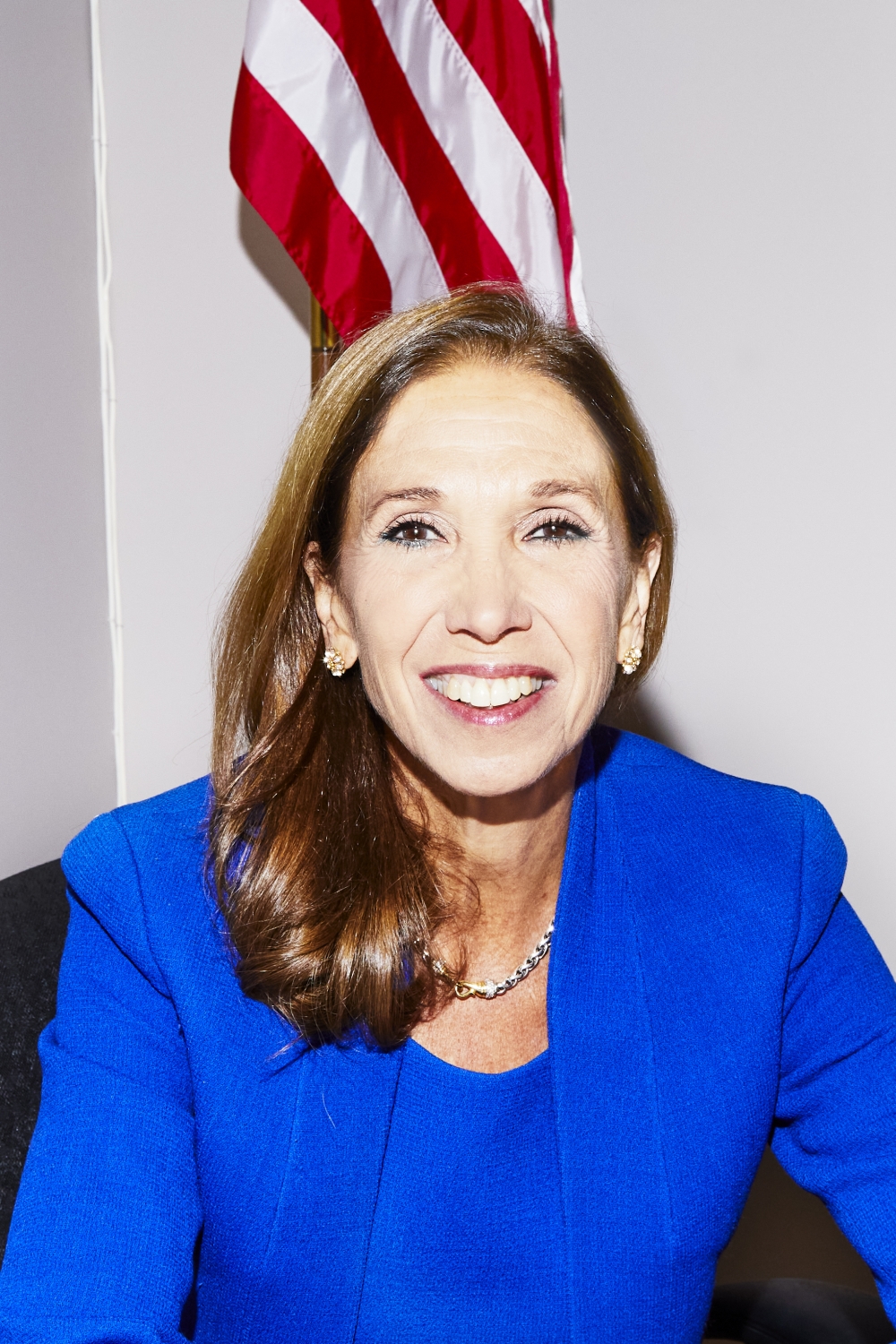
Asm. Amy Paulin
Sponsored bills
Limits the reimbursement amount of certain overpayment claims and reviews where such overpayment was due to the provider's submission of records which were not in accordance with program requirements at the time but which were in accordance with current requirements as a result of changes to guidelines or regulations.
Maddy summaryThis bill (A 9577) amends New York's social services law to prevent medical assistance recipients from receiving school-based health center services through managed care programs. It specifically prohibits managed care organizations from covering these services until at least April 1, 2026. The change directly affects medical assistance recipients who access health services at school-based centers, ensuring such care isn't routed through managed care systems. The provision takes effect immediately for the bill itself, but the coverage restriction applies starting April 1, 2026.
Prohibits and regulates the discovery and disclosure of immigration status; prohibits police officers, peace officers, school resource officers, probation agencies, state entities, state employees, and municipal corporations from questioning individuals regarding their citizenship or immigration status; regulates the disclosure of information relating to immigration status; prohibits an educational agency, higher education agency, school employee, school safety personnel, or third-party contractor from collecting information about a person's citizenship, immigration status, nationality, or country of origin, unless required by law or necessary to administer a public program or benefit sought by such person.
Permits a chief fiscal officer of a county or a public administrator, when having the right to control the disposition of the remains of a decedent and acting reasonably and in good faith, to, without civil liability, select cremation or natural organic reduction as the method of disposition for such decedent where the financial resources of such decedent are limited and such disposition is selected with the reasonable belief that the method is consistent with the religious practices of the decedent.
Prohibits the sale of certain products that contain regulated perfluoroalkyl and polyfluoroalkyl substances; requires manufacturers of products containing PFAS to provide notice of such fact to persons that offer the products for sale or distribution; provides penalties for violations.
Maddy summaryBill A 8055 proposes to change how outpatient mental health and substance use disorder services are administered under Medicaid. It shifts these services, along with comprehensive Medicaid case management, from a managed care model back to a fee-for-service system. This change, subject to federal approval, directly affects individuals with mental illness or substance use disorder who rely on these services and the licensed facilities that provide them. The bill also requires that any savings generated by this transition be reinvested into community-based behavioral health services.
Establishes the climate corporate data accountability act requiring certain business entities within the state to annually disclose scope 1, scope 2 and scope 3 emissions; establishes the climate accountability and emissions disclosure fund.
Relates to requirements for medical professionals and health care facilities that provide medication to patients for medical aid in dying; extends the initial effectiveness of certain provisions relating thereto.
Maddy summaryThis bill establishes New York's "Medical Aid in Dying Act," allowing terminally ill adults (18+) with decision-making capacity to request and self-administer medication to end their life. To qualify, a patient must have a terminal illness confirmed by two physicians (the attending physician and a consulting physician) and make an informed decision after being fully informed of alternatives, risks, and outcomes. The process requires an oral request, a written request signed by the patient and witnessed by two non-conflicted adults (not relatives or beneficiaries), and includes the right to rescind the request at any time. The bill also mandates documentation, safe disposal of unused medication, and state reporting.