

Maddy summaryThis bill (A 2188) updates New York's public assistance employment programs to prioritize well-paying, stable job training. It requires social services districts to develop employment plans that strongly consider training for "sustainable wage" jobs (defined as 185% of the poverty line, adjusted regionally) and "nontraditional" careers (like skilled trades or tech fields where one gender is under 25% employed). The bill mandates that these plans, developed with input from education providers and employers, specifically prioritize such opportunities for participants with high school diplomas or GEDs. It applies to individuals in public assistance programs seeking employment, ensuring their job training aligns with federal work requirements while focusing on higher-wage pathways.
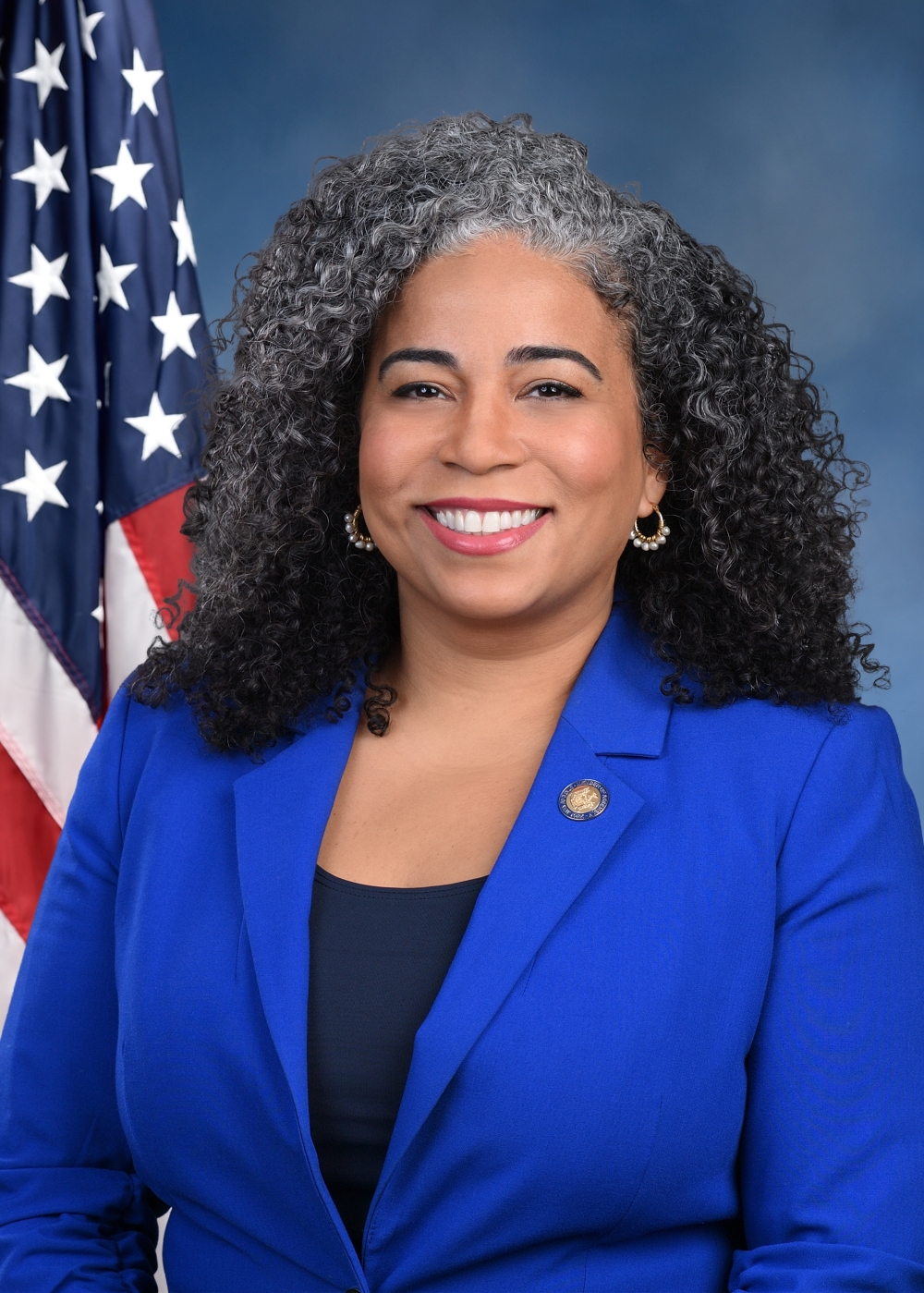
Asm. Karines Reyes
Sponsored bills
Requires that public schools provide instruction on climate change, including but not limited to identifying the causes and impacts of climate change on individuals, environments and communities, and learning to evaluate solutions.
Amends the definition of "developmental disability" to include an inability to engage in any substantial gainful activity by reason of the disability.
Maddy summaryThis bill allows tenants in rent-controlled apartments who received a tax abatement certificate to adjust their rent if household income drops by over 20%. It affects tenants with income decreases who hold valid tax abatement certificates. The key provision lets them apply to reset their rent to match the previous ratio of rent to income, with the adjustment made retroactive to the date the income decreased (but limited to the filing date of their last approved application). This ensures rent stays aligned with income changes without requiring new applications for retroactive relief.
Maddy summaryThis bill allows retired members of New York state retirement systems to change their designated beneficiary if that beneficiary has been convicted of a family offense (as defined in state law) and the retired member was the complainant in the case. Retired members have 180 days from the beneficiary's conviction date to submit a written request to the retirement system to make this change. Once received, the retirement system will update the beneficiary or recalculate benefits accordingly. The comptroller must notify retired members about this provision and can create rules to implement it, working with domestic violence and criminal justice agencies.
Relates to unlawful dealing in real property, when a person uses material governmental information, which such person knows or has reason to know is non-public, to purchase or sell real property; makes such offense a class A misdemeanor.
Maddy summaryThis bill requires all public schools with 100 or more enrolled students to have a registered professional nurse physically present on-site during all school hours. It amends education law to mandate that school boards ensure this nurse is available to assist with student health needs, including emergencies and health instruction. The requirement directly affects schools meeting the enrollment threshold, ensuring consistent health support for students during school days.
Relates to establishing a maximum rent of one-third of household income for the senior citizens rent increase exemption and disability rent increase exemption.
Maddy summaryThis bill prohibits all law enforcement agencies from using chemical incapacitants (like tear gas or similar agents) except for pepper spray under strict limits. Specifically, pepper spray is restricted to liquid canisters no larger than 0.75 ounces and cannot be used for crowd control. The law defines "law enforcement agency" broadly to include any unit authorized to investigate or arrest for felonies, and "chemical incapacitant" to cover toxic chemicals, munitions designed to cause harm, and related equipment. This directly affects all state and local law enforcement agencies by restricting their use of chemical agents during operations.
Relates to providing hazard payments to essential workers during a state disaster emergency; provides that certain employers shall make hazard payments to essential workers during a state disaster emergency provided no hazard payment shall exceed twenty-five thousand dollars in any year for any essential worker earning less than two hundred thousand dollars per year or five thousand dollars for any essential worker earning more than two hundred thousand dollars.