

Relates to flexible working arrangements; provides that employees may submit a request for flexible working arrangements in good faith; requires the employer to notify the employee of the decision; prohibits employers from retaliating against employees for exercising rights under the section.
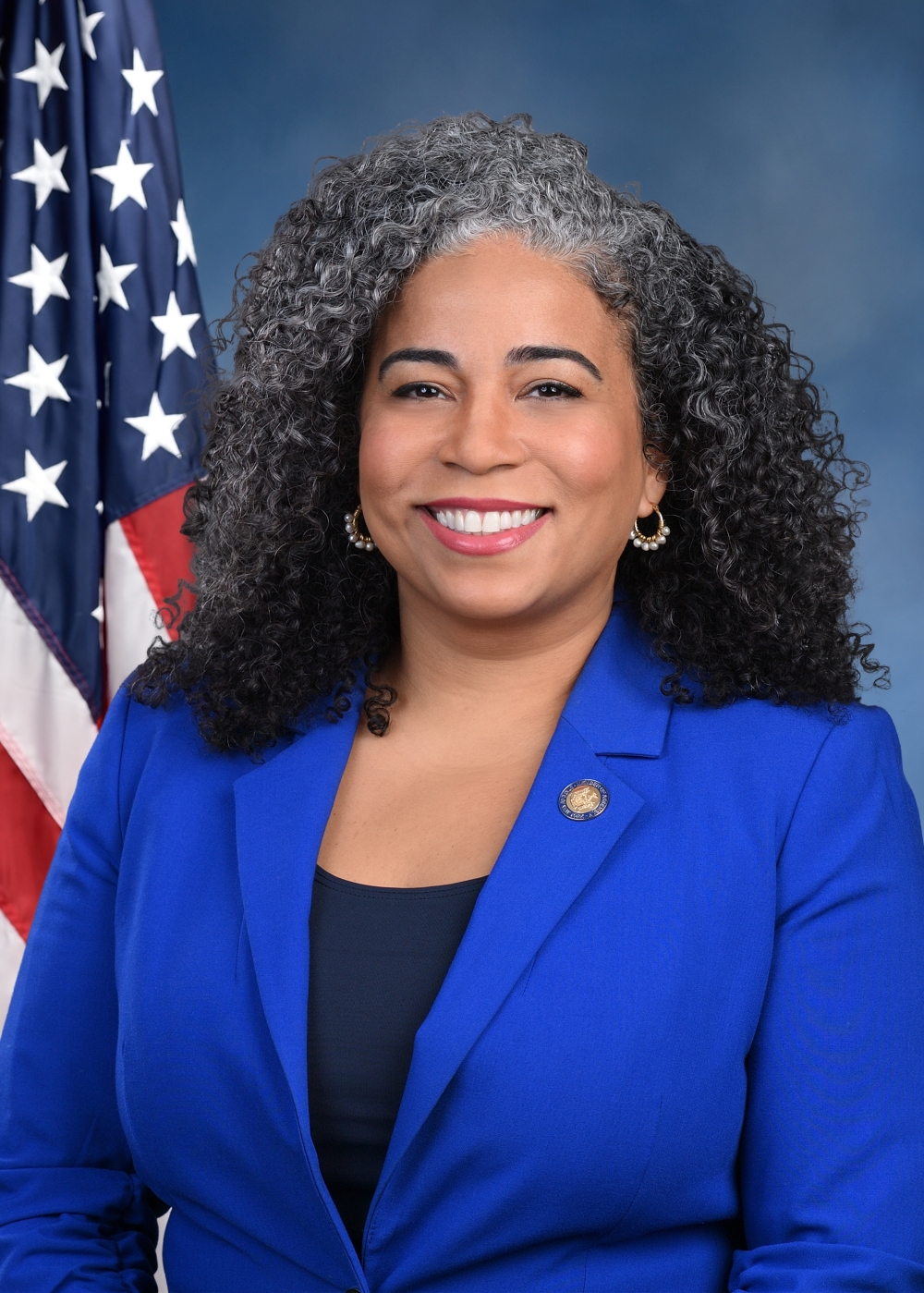
Asm. Karines Reyes
Sponsored bills
Provides that if any employee, engaged in the service of any commuter rail service owned or operated by the authority or its subsidiaries, shall suffer a physical and/or mental injury that is caused by a passenger, customer or member of the public while the employee is performing an assigned duty, the employer shall be held liable for any health care costs attributable to such injury; makes related provisions.
Establishes the Early Learning Child Care Act to impose a payroll tax on certain employers for the purposes of addressing child care affordability, accessibility, and quality for families with children under five years of age; establishes the early learning child care fund; establishes the early learning child care program to provide subsidies to covered children to attend early learning child care programs; establishes the New York state child care board.
Establishes a civil remedy for the protection of animals denied proper care by creating a special proceeding in the supreme court that will hold owners and caretakers liable if such animals under their care are mistreated.
Maddy summaryThis bill (A 6192) establishes a 5-year moratorium on the land application, sale, and distribution of biosolids and products containing them for agricultural or landscaping use (like fertilizer or soil amendment). It directly affects wastewater treatment facilities, farmers, and businesses using biosolids-derived products, banning their use on crops, parks, golf courses, and similar non-crop lands. The moratorium excludes landfill disposal of biosolids and certain composts made from food waste, manure, or crop residues (not biosolids). Violations carry fines up to $2,500 per offense plus daily penalties.
Maddy summaryThis bill adds unpaid leave as a formal "reasonable accommodation" under the state's human rights law for employees with disabilities or pregnancy-related conditions. It specifically allows unpaid leave to recover from episodic health issues, requiring medical certification and an estimated return date, but prohibits indefinite leave. Employers must engage in an interactive process with the employee to determine appropriate accommodations, including the leave duration. The law applies directly to covered employers and employees seeking this type of leave for qualifying health needs.
Maddy summaryThis bill prohibits the sale of most cannabinoid hemp products where the ratio of CBD to THC is below 15:1. It excludes flower and topical products from this requirement. If CBD is not the primary cannabinoid, the combined ratio of other cannabinoids (excluding THC) to THC must still meet or exceed 15:1. The law applies to sellers of these products and takes effect immediately.
Maddy summaryThis bill (A 7456) requires lobbyists to register and disclose details about efforts to influence the nomination or confirmation of individuals for state offices that require Senate approval. It expands existing lobbying disclosure rules to specifically include "offices and nominees or potential nominees" as a required disclosure point for lobbyists. The key mechanism adds this requirement to multiple sections of the legislative law, mandating that lobbyists report the specific offices and nominees they are lobbying for. This affects lobbyists working on appointments to state positions subject to Senate confirmation, such as judges or agency heads.
Permits a redetermination of a tax abatement for rent-controlled and rent regulated property occupied by senior citizens or persons with disabilities upon a permanent decrease in income.
Maddy summaryThis bill (A 7132) amends New York's agriculture law to include "urban farming" within the legal definition of "farm operation" for agricultural district eligibility. It defines urban farming as growing fruits, vegetables, flowers, or ornamental plants, along with limited livestock (like chickens or bees) and aquaculture. By expanding the definition, the bill allows urban farms - such as community gardens or small-scale city farms - to qualify for agricultural district benefits like tax incentives and land-use protections. This change directly affects urban farmers who previously could not access these programs under the law's existing definition. The amendment takes effect immediately upon enactment.