

Maddy summaryThis bill requires New York's Commissioner of Health to establish regional minimum hourly reimbursement rates for home care providers serving Medicaid patients. It directly affects home care agencies and providers who employ home care aides, mandating rates that cover all necessary costs - including base wages, benefits, payroll taxes, operational expenses, and compliance costs. The rates must be set regionally based on actual service costs, adjusted annually to reflect labor law changes, and published publicly. Providers must justify any contract rates below these minimums, and the comptroller can audit contracts to ensure adequacy. The goal is to ensure reimbursement rates support fair wages and operational needs for home care workers under Medicaid.
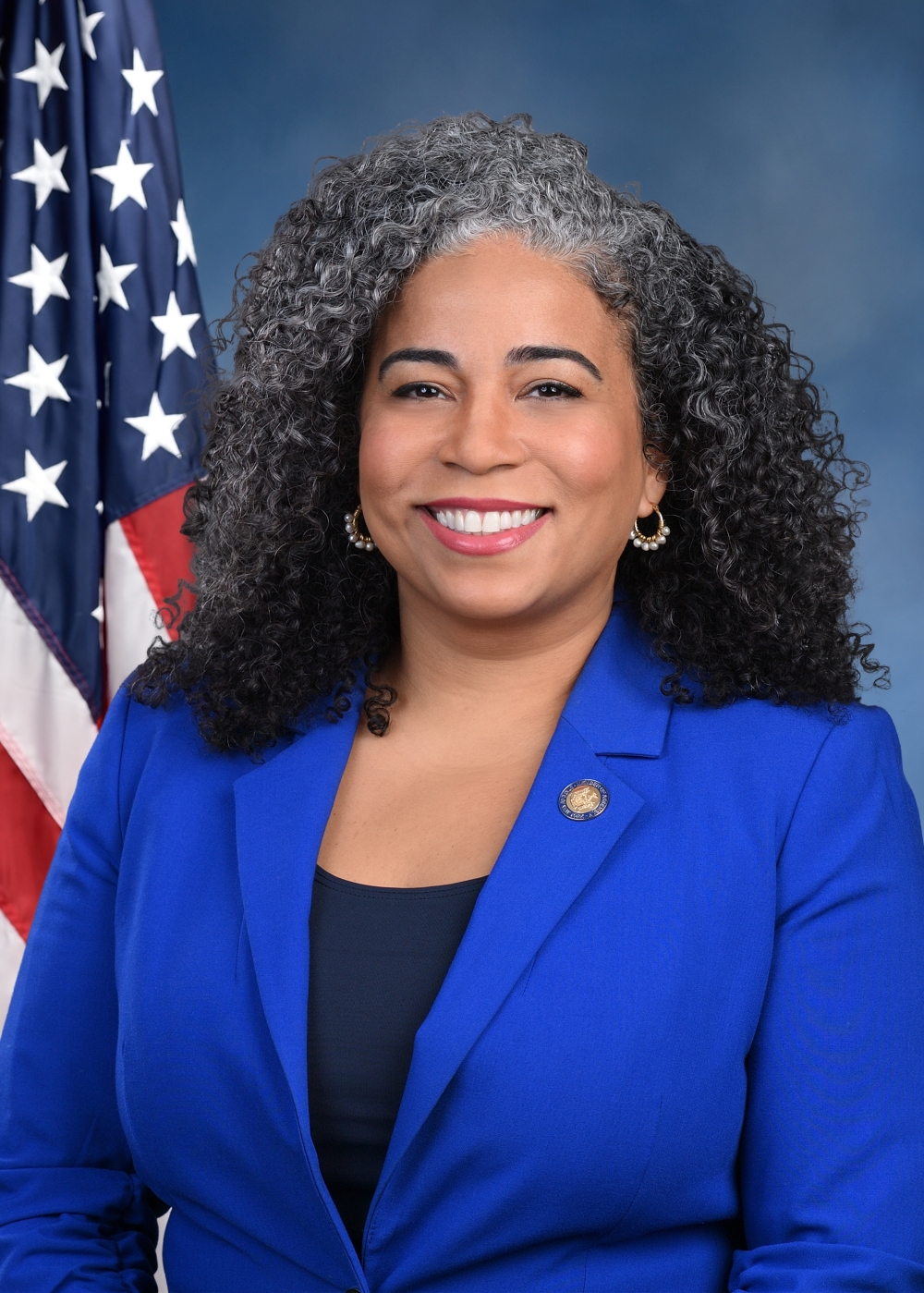
Asm. Karines Reyes
Sponsored bills
Establishes the teachers' fossil fuel divestment act; requires the New York state teachers' retirement system to divest the retirement system of any stocks, securities, equities, assets, or other obligations of corporations or companies included on an exclusion list of coal producers and oil and gas producers.
Enacts the overdose prevention and recovery act; directs that at least twenty percent of funds from the opioid stewardship fund shall be invested in recovery services and supports; requires an annual report to the legislature regarding funds distributed from the opioid stewardship fund; makes the opioid stewardship fund permanent.
Maddy summaryThis bill, the "Commercial Tenant Protection Act," allows commercial tenants with triple net leases to withhold rent if a utility company cuts service due to the landlord's unpaid bills. Specifically, if a tenant has already paid all rent to the landlord, they may hold back rent proportional to the number of days utilities were disconnected. It directly affects commercial tenants in triple net leases - where tenants pay rent plus property taxes, insurance, and utilities - and landlords who fail to cover utility costs. The law requires landlords to pay utility charges to avoid service disruptions, giving tenants a financial remedy when utilities are cut.
Maddy summaryThis bill increases fines for violating public health laws. It raises penalties for nursing home and hospital operators from $3,000 to $5,000 per violation, with repeat offenses or violations causing harm now carrying up to $10,000 or $20,000 fines. Excess fines collected beyond $2,000 per violation go to a patient safety center, while nursing home fines over $10,000 fund quality improvement programs for nursing homes. The changes apply directly to healthcare facilities and their operators under New York's public health and social services laws.
Establishes the housing people and animals together grant program to expand access for co-sheltering people experiencing homelessness and victims of domestic violence with companion animals.
Maddy summaryThis bill requires election commissioners serving on county boards outside New York City to be full-time employees of those boards. It sets a standard of two commissioners per board, with counties having over 120,000 residents allowed to increase this to four via local law. The change applies specifically to election boards in counties outside NYC, altering their commissioner employment structure without affecting NYC-based boards.
Establishes the "protect our privacy (POP) act" to impose limitations on the use of drones for law enforcement purposes; prohibits the use of drones by law enforcement at concerts, protests, demonstrations, or other actions protected by the first amendment.
Directs the department of civil service to conduct a study on competitive examinations for public employment held by the state department of civil service and by municipal commissions to determine whether the contents of such examinations have a discriminatory effect on minority examinees; requires a report on such findings to be delivered to the governor and legislature.
Authorizes courts to hold evidentiary hearings for a temporary order of protection in certain circumstances; grants superior court judges the authority to issue a temporary order of protection when an action is pending in a local criminal court in certain circumstances.