

Enacts the "food safety and chemical disclosure act"; prohibits certain food additives and food color additives; provides that in an action to enforce compliance, the recognition by the federal food and drug administration of any of these substances as safe may not be alleged as a defense; establishes requirements for the reporting of GRAS (generally recognized as safe) substances.
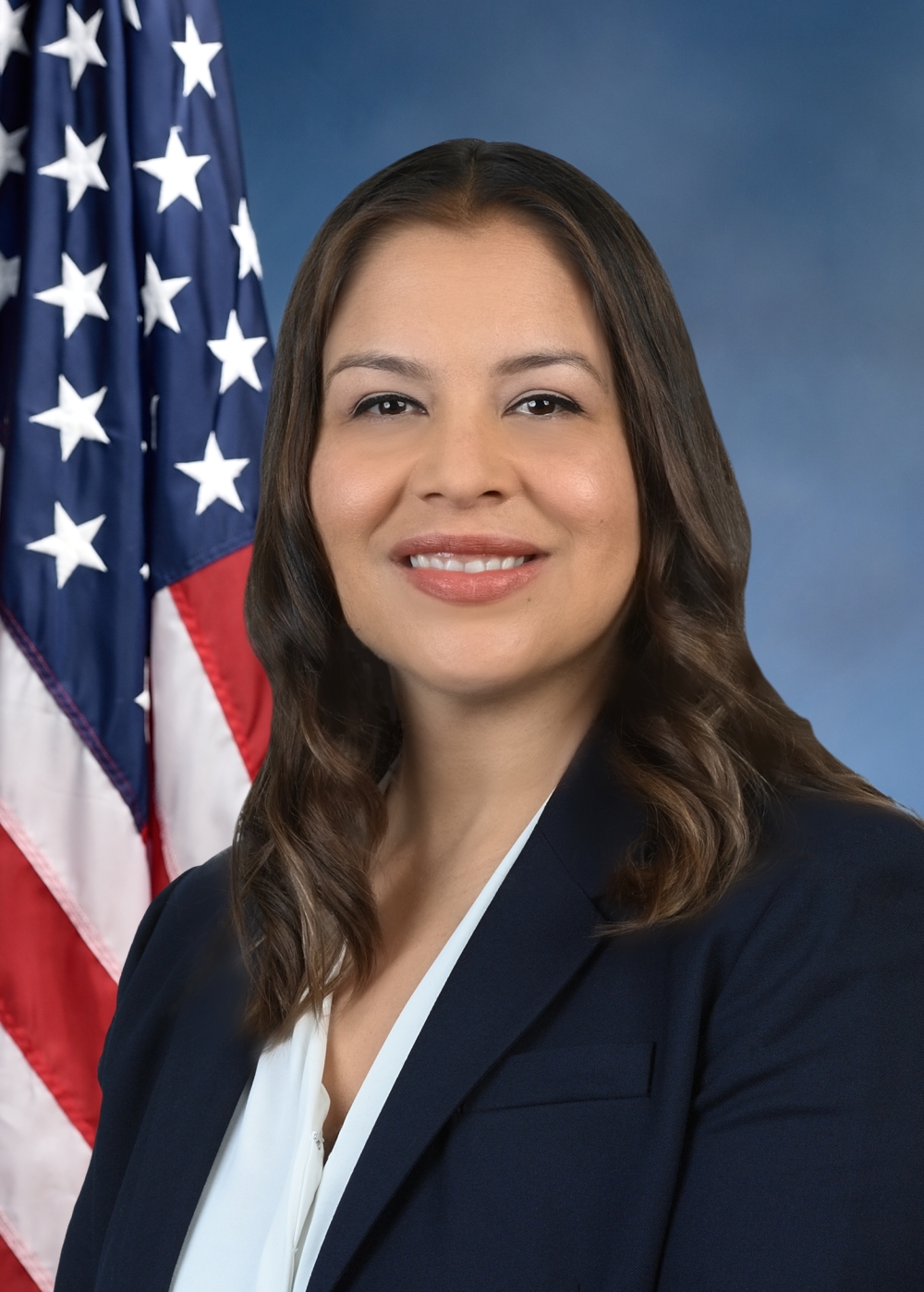
Asm. Emérita Torres
Sponsored bills
Establishes a pilot program to provide grants to local education providers to implement high-impact tutoring programs prioritizing low-income or underserved students to address student learning loss or unfinished learning resulting from the COVID-19 pandemic.
Maddy summaryThis bill creates a state-funded program to provide health insurance coverage to New Yorkers who lose eligibility for federal subsidies due to their immigration status. It establishes a new state premium assistance program that offers financial help equivalent to federal tax credits for lawfully present individuals who are currently ineligible for federal aid. Additionally, the legislation expands eligibility for existing state coverage to include more noncitizens and increases income limits for pregnant individuals and their newborns, with some provisions funded directly by state money regardless of federal approval.
Establishes the NY digital choice act requiring social media companies to provide covered users with a copy of the covered user's social graph at the request of the covered user; defines terms; provides requirements for the interoperability of covered users' data; grants the attorney general the authority to promulgate rules and regulations and enforce such provisions.
Maddy summaryThis bill (A 9033) creates a statewide moratorium on residential evictions during extreme weather conditions in New York, including excessive heat (90°F+ heat index) and other severe weather events declared by the governor. It directly affects tenants in New York residential properties, particularly low-income and heat-vulnerable communities disproportionately impacted by heat-related evictions. Key provisions automatically halt eviction warrants and pending enforcement during declared extreme weather and for 72 hours afterward, while requiring landlords to maintain prior rent obligations and tenant rights. The law replaces informal, ad hoc eviction suspensions with a formal, statewide rule, including public notice requirements and legal recourse for tenants unlawfully evicted.
Maddy summaryThis bill requires New York's environmental and health departments to establish new, stricter standards for lead in air, soil, and on surfaces like floors and window sills within 180 days. It directly affects all New Yorkers, especially children, by mandating that these standards protect against lead exposure from dust and contaminated surfaces - such as lead paint chips - that can cause health harm. The law specifies that the new standards must be at least as strict as current federal guidelines (40 CFR Part 745 as of January 13, 2025) and target blood lead levels fully protective of children's health. The bill expires one year after enactment unless extended, with immediate rule changes allowed for implementation.
Enacts the "beauty justice act"; provides for the regulation of ingredients in personal care products and cosmetics; prohibits the sale of personal care products and cosmetic products containing certain restricted products.
Increases tax rates imposed on unincorporated businesses and corporations in New York city upon adoption of a local law by the local legislative body of the city of New York.
Prohibits manufacturers or operators of networked camera devices to enable coordinated surveillance features on such devices as a default feature without first obtaining affirmative opt-in consent from the owner; requires disclosure of data rights for owners of such devices; prohibits coordinated surveillance features to be disclosed to law enforcement without a warrant; makes related provisions.
Establishes a tax on video streaming services; provides that the revenue from the tax is to be used to ensure that every resident in the state has access to modern communications networks; establishes the media arts technology and education fund.