

Maddy summaryThis bill changes how parking violation notices are handled in New York. It requires hearing examiners to provide written decisions explaining the legal basis for each ticket's outcome (guilty or not guilty) and gives drivers the option to request a hearing for each individual ticket. The bill also mandates that the state surcharge must be paid unless a hearing officer dismisses the ticket based on specific merits presented by the driver. These changes aim to increase transparency and fairness for drivers contesting parking violations.
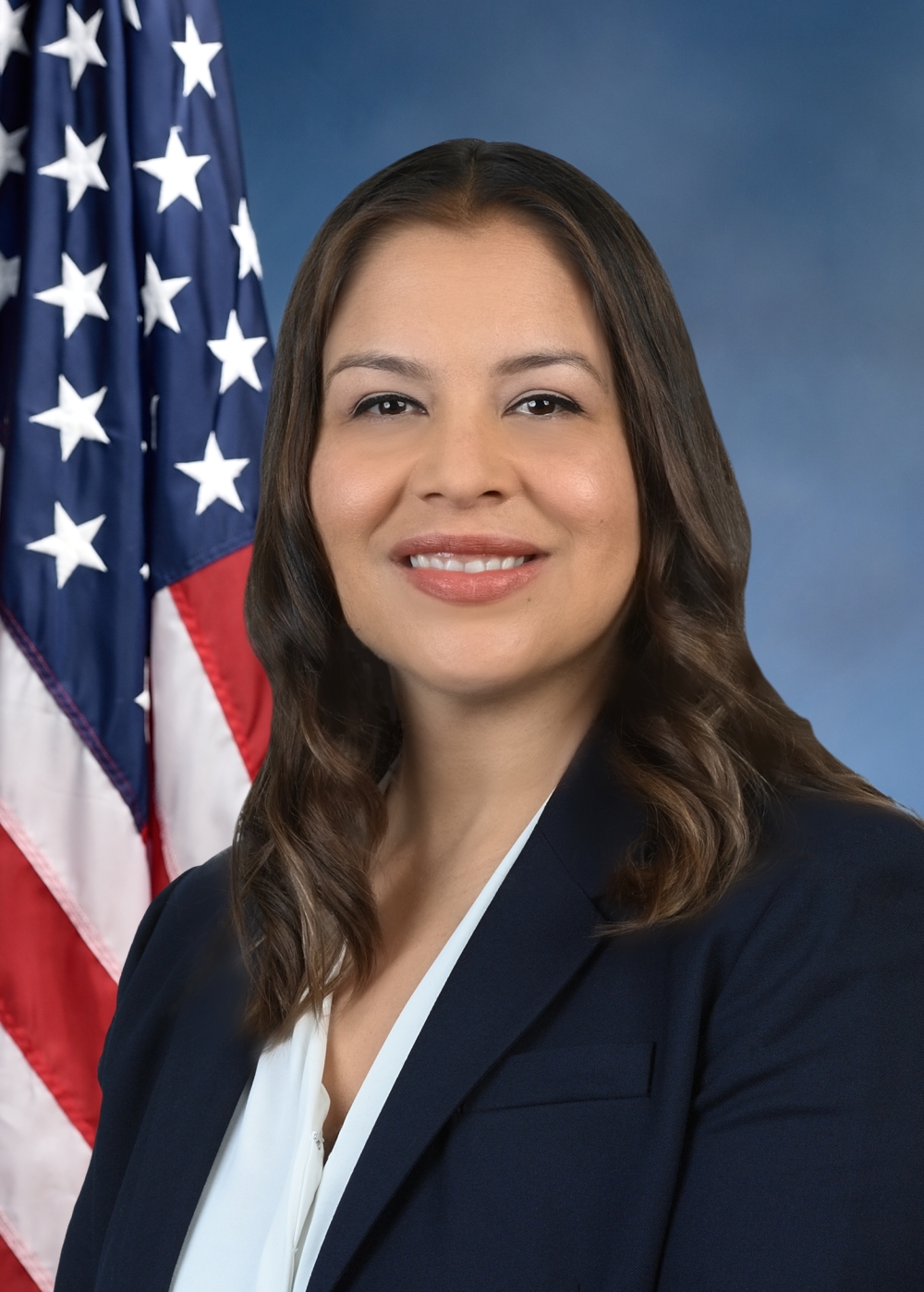
Asm. Emérita Torres
Sponsored bills
Authorizes the dispensing of abortion medication under certain conditions; requires insurance policies providing coverage for contraception to provide coverage for abortion medication.
Enacts the "faith-based affordable housing act" for development on residential land; defines terms; provides that each village, town, and city shall allow the construction and occupation of residential buildings on any covered site up to the specified densities; provides that all residential buildings constructed pursuant to this section in a town, village, or city with fewer than one million inhabitants shall set aside twenty percent of the residential floor area for households earning an average of eighty percent of area median income; outlines the densities for New York city; makes related provisions.
Maddy summaryThis bill (A 7339) requires most health insurance plans in New York to cover fertility preservation services when a medical treatment (like cancer therapy) may cause infertility. It directly affects insured individuals undergoing treatments that risk reproductive health, such as chemotherapy or surgery. Key provisions mandate coverage for standard fertility preservation (e.g., egg or sperm freezing) with possible deductibles, while prohibiting insurers from denying coverage based on health conditions like anticipated infertility or personal characteristics (age, gender identity, sexual orientation). The law applies to comprehensive medical insurance policies and takes effect immediately.
Maddy summaryThis bill changes New York's parole process by requiring the state board of parole to consider specific factors before granting release. It mandates evaluation of rehabilitation efforts (like programs, therapy, and work assignments), release plans (including housing, jobs, and support services), and deportation status, while prohibiting decisions based mainly on victim statements or prior criminal records. Parole denials must include detailed written explanations, and the board must report quarterly to lawmakers with demographic data on denied cases (excluding individual identities). These changes aim to standardize parole decisions and increase transparency.
Maddy summaryThis bill requires all New York high school graduates - both public and private - to receive a voter registration form at graduation. Schools must provide the standard registration form and send completed applications to local election boards within 10 days before elections (or as soon as possible if received later). The law mandates strict privacy protections, prohibits discouraging voter registration, and requires schools to maintain neutrality about political party enrollment. It directly affects every high school graduate in New York state by making voter registration accessible at a key life transition point.
Enacts the MEGA corporations act mandating worldwide combined reporting for large corporations that have more than one billion dollars in gross receipts.
Maddy summaryThis bill requires businesses that enable phone number spoofing (displaying a fake caller ID) to keep detailed records of all calls using their services. Businesses must document the fake number shown to recipients, the actual phone number or IP address used, and the call's time, date, and duration. It directly affects telecom and call service providers offering spoofing capabilities, not individual callers. The records will create a verifiable trail for law enforcement to trace spoofed calls when needed.
Expands the health department's review of correctional health services by including a biennial study of health care staffing at facilities operated by the department of corrections and community supervision.
Protects the rights of people in prisons, jails and forensic facilities; limits the use of cell or segregated confinement; grants access to tablets, visitation, and certain items.