

Requires judges or justices in a court that exercises criminal jurisdiction, including town and village justices, family court judges, and justices of the supreme court who regularly handle matrimonial matters, and court clerks of such courts to attend a program approved by the chief administrator of the courts addressing issues relating to domestic violence totaling at least ten hours every two years; requires law enforcement officers to complete ten hours of domestic violence training every two years.
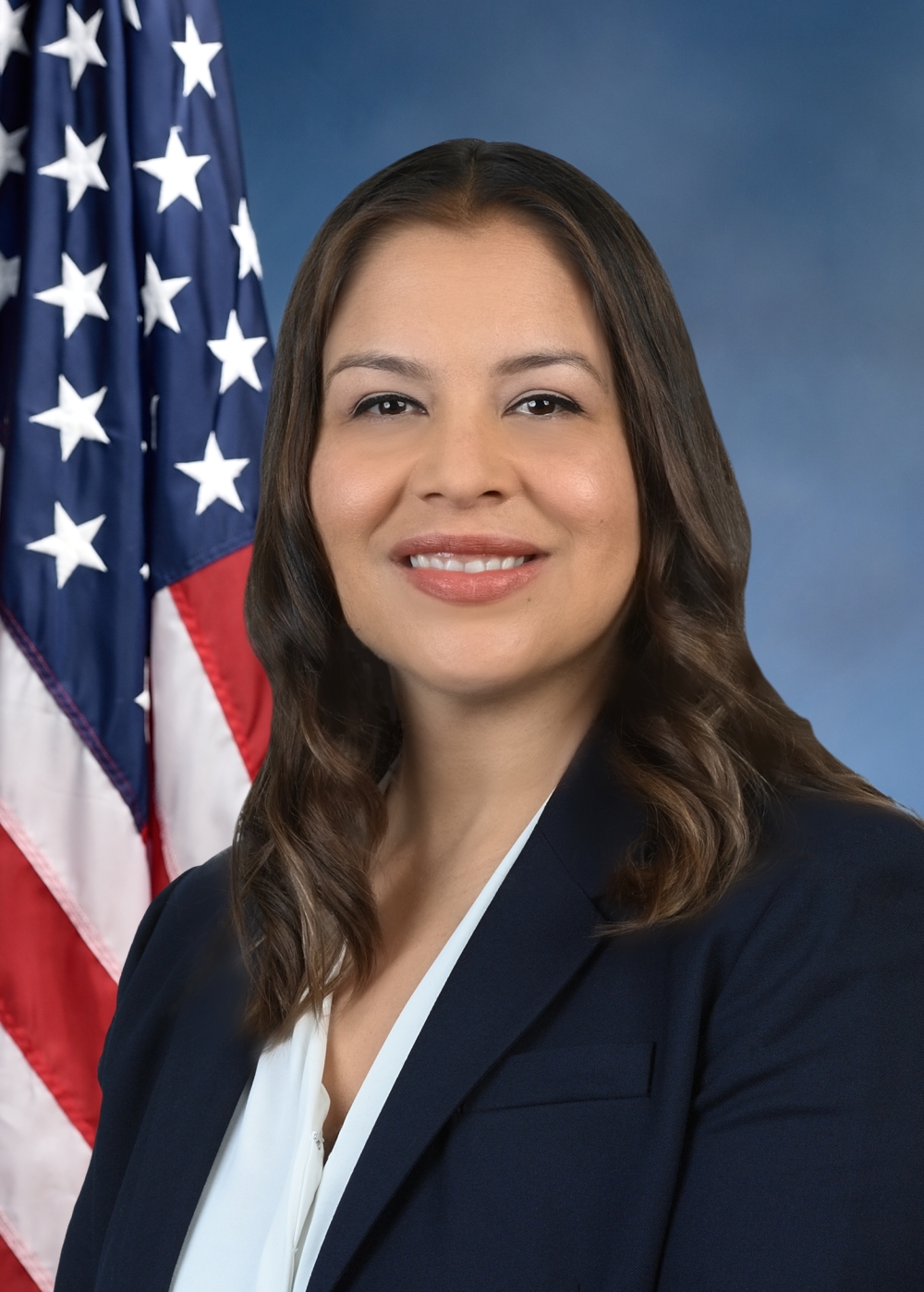
Asm. Emérita Torres
Sponsored bills
Establishes the Terry Cooper autopsy accountability act requiring autopsy reports to include all photographs of the body, microscopic slides, and post-mortem x-rays taken by, at the direction of, or reviewed by the person performing the autopsy.
Maddy summaryThis bill creates a new license allowing supermarkets meeting specific size and sales criteria to sell wine in sealed containers (like bottles or cans) for off-premises consumption. To qualify, a store must primarily sell food (over 65% of revenue) and be at least 4,000 square feet, with a $10,000 franchise fee required. Licenses cannot be granted within 200 feet of schools/churches or 500 feet of liquor stores. Local governments can set time/place rules but cannot block licenses that meet these state standards.
Prohibits transportation network companies from enacting surge pricing during declared federal, state and local emergencies; subjects violators to a two hundred fifty dollar fine.
Maddy summaryThis bill eliminates late fees for residential utility customers in New York. It prohibits utility companies and municipalities from charging residential customers (homeowners and renters) any late payment fees, penalties, or interest for overdue gas or electric bills. The law directly affects all residential utility customers by removing this common charge, while small businesses remain subject to different late fee rules. The change takes effect immediately upon enactment.
Maddy summaryThis bill removes a lifetime ban preventing people convicted of felonies from serving on juries. It amends state law to no longer disqualify individuals based on past felony convictions, meaning former felons could be summoned for jury duty. However, it maintains that people currently incarcerated for felonies remain excused from service while in prison. The law would take effect 180 days after enactment.
Maddy summaryBill A 7308 establishes a tax credit for producers of sustainable aviation fuel (SAF) sold in the state for flights departing within the state. Starting January 1, 2025, producers can claim $1 per gallon, increasing by two cents for each additional one percent reduction in carbon dioxide emissions above 50%, up to a maximum of $2 per gallon. To be eligible, producers must obtain a certificate from the New York State Energy Research and Development Authority (NYSERDA). The bill defines SAF as liquid fuel derived from renewable or waste sources, excluding palm or petroleum, that achieves at least a 50% lifecycle greenhouse gas emission reduction. The total amount of tax credits issued annually is capped at $30 million, and any credit exceeding a taxpayer's liability will be refunded.
Maddy summaryThis bill adds "caste" to New York's existing anti-discrimination protections in employment, housing, and public accommodations. It defines "caste" as a hereditary social hierarchy based on birth that restricts opportunities, and prohibits discrimination against individuals because of their caste in hiring, housing, and public services. The law amends existing sections of the executive law to explicitly include caste alongside other protected characteristics like race, gender, and disability. It directly affects people in New York who experience caste-based discrimination in workplaces, housing, or public spaces. The key mechanism is updating anti-discrimination statutes to include caste as a protected category, making such discrimination unlawful under current enforcement frameworks.
Maddy summaryThis bill requires certain public water systems (serving at least 15 year-round residents or 25 regularly) to identify lead service lines connecting water mains to properties. It defines "lead service line" broadly, including galvanized pipes downstream of lead lines or where lead connectors are used. Water systems must obtain property owner or occupant consent for free inspections, with a 30-day response window; if consent isn't received, occupants may provide consent. Inspections must occur within 60 days of consent, focusing solely on identification, not removal, of lead service lines.
Requires instruction in arts and music education to be incorporated into curriculums for all public school students; requires school districts to ensure that appropriately certified teachers are providing such education; authorizes rules and regulations consistent with such provisions.