

Relates to rechargeable battery recycling; adds a battery used as the principal electric power source for an electric scooter or bicycle with electric assist to the definition of "rechargeable battery"; provides that a battery manufacturer may not sell, offer for sale, or distribute rechargeable batteries in the state unless the battery manufacturer is implementing or participating under an approved plan; allows a city with a population of one million or more to enforce through its own agencies.
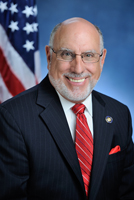
Asm. Michael Benedetto
Sponsored bills
Maddy summaryThis resolution requests Governor Hochul to proclaim March 3, 2025, as Social Emotional Learning (SEL) Day in New York State, aligning with International SEL Day. It does not create new laws or affect specific groups but formally recognizes SEL - a process for developing skills like emotional management and responsible decision-making - through a state proclamation. The resolution cites SEL's benefits, including improved academic performance and a $11 return on investment per dollar spent, as supporting context for the recognition. It is a ceremonial resolution with no binding policy changes.
Maddy summaryThis is a procedural resolution (not a policy bill) to fill specific vacancies on the University of the State of New York Board of Regents. It formally appoints eight individuals to serve specific terms: Hasoni Pratts (2nd Judicial District), Dr. Roger Catania (4th), Keith Wiley (8th), Dr. Frances Wills (9th), Felicia Thomas-Williams (10th), Dr. Lester Young Jr. (At Large), Roger Tilles (At Large, 1-year term), and Brian Krist (At Large, 4-year term), effective April 1, 2025. The resolution addresses expiring terms and vacancies created by resignations. It does not create new policies or affect public law - it solely confirms appointments to existing board positions.
Directs the commissioner of health to develop and implement a public awareness campaign on the safe storage of firearms, rifles and shotguns and child access and prevention.
Maddy summaryThis bill restricts certain harmful chemicals in menstrual products sold in New York State. It prohibits manufacturers from intentionally adding specific substances like lead, mercury, formaldehyde, phthalates, and PFAS (a class of chemicals including Teflon-like compounds) to products such as tampons, pads, and menstrual cups. Starting immediately upon the bill's effective date (12 months after enactment), these chemicals cannot be added as intentional ingredients, with future safety thresholds for remaining traces to be set by health and environmental agencies by 2029. The law applies to all distributors and sellers of menstrual products within New York.
Authorizes the commissioner of health to adopt policies to exclude certain non-recurring items from income that would artificially inflate the availability of funds to meet current needs relating to eligibility for the program for elderly pharmaceutical insurance coverage.
Maddy summaryThis bill requires New York state-owned parking facilities with at least 50 spaces to install electric vehicle charging stations in a percentage of spots ranging from 10% to 20%, depending on the facility's total size. The Office of General Services is tasked with installing and maintaining these stations, which must meet specific electrical capacity standards, and is authorized to hire licensed electricians if upgrades to the power system are needed. The law applies to public, employee, and pay-per-use parking areas and would have taken effect on April 1 of the following year. However, the bill was vetoed by the Governor in December 2024 and subsequently tabled, meaning it did not become law.
Enacts the tropical rainforest economic & environmental sustainability act requiring that companies contracting with the state do not contribute to tropical forest degradation or deforestation directly or through their supply chains; establishes the supply chain transparency assistance program to assist small and medium-sized businesses and minority and women-owned businesses in achieving compliant supply chains.
Maddy summaryThis bill establishes new rules for automobile brokers, requiring them to maintain a permanent physical location for their business and update their registration within thirty days if that address changes. It mandates that written contracts between brokers and consumers must include specific details such as the vehicle description, total price, estimated delivery date, and a clear statement that the broker cannot charge fees from both the buyer and the dealer. Additionally, the law requires these contracts to be easily cancellable with a full refund processed within ten business days if the final price exceeds the estimate by more than five percent or if the car is not delivered within thirty days of the estimated date. The legislation also enforces stricter advertising standards and requires that all mandatory contract terms be printed in bold, twelve-point type to ensure they are clearly visible to consumers.
Prevents the displacement of call center workers who provide call center services for the government in certain circumstances; provides protections for call center workers when contracts with call center contractors are terminated; requires new call center contractors to hire existing call center workers; protects collective bargaining agreements.