

Requires the office of court administration, clerks, and all other records custodians to develop policies and procedures to ensure no identifying information or documentation relating to name change actions or sex designation change actions is visible or retrievable in any electronic database maintained by the state of New York or a subdivision thereof.
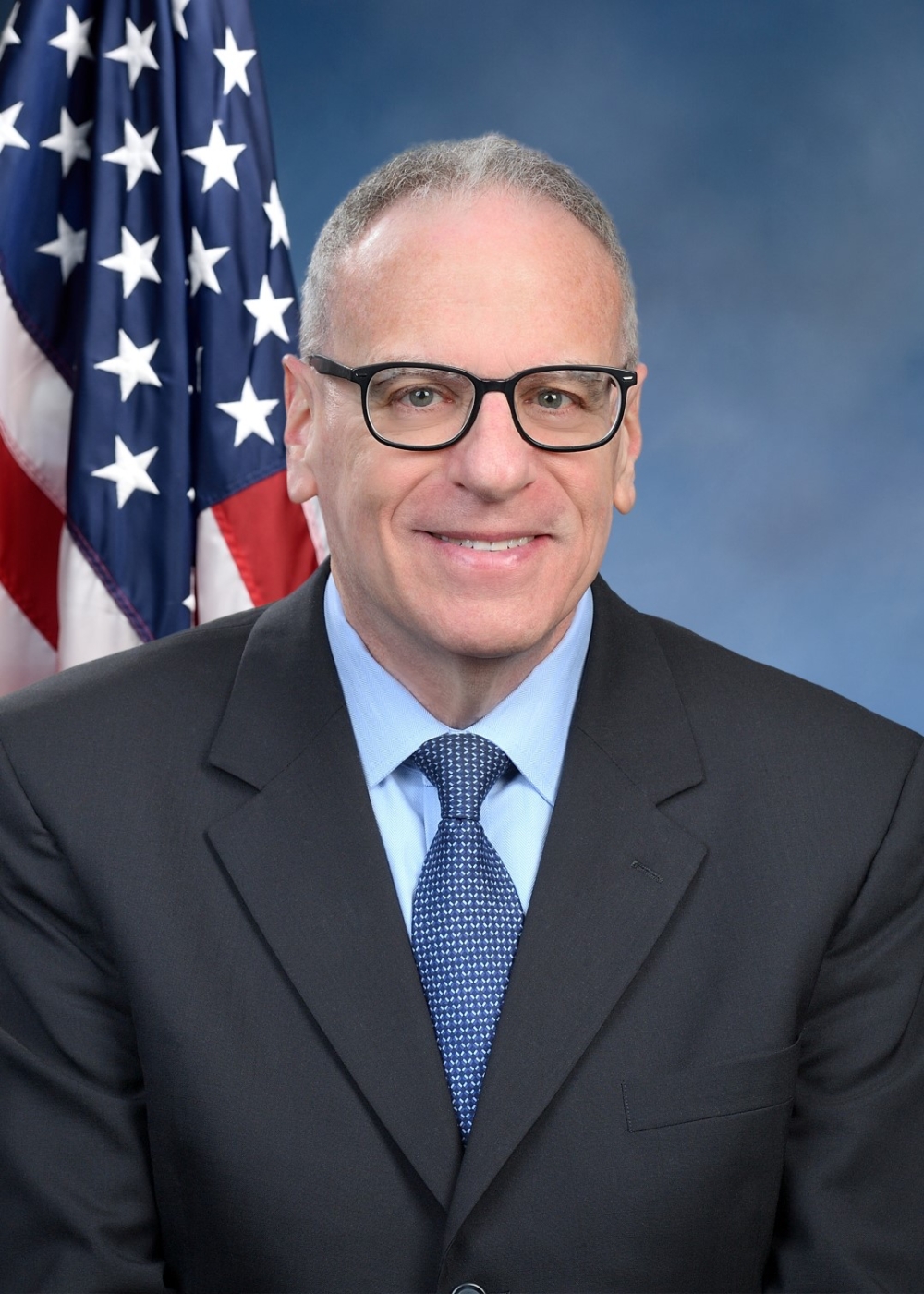
Asm. Jeffrey Dinowitz
Sponsored bills
Requires the administration of certain vaccines for children in accordance with regulations issued by the commissioner, utilizing generally accepted medical standards and based on recommendations of the American Academy of Pediatrics, the American Academy of Family Physicians, the American College of Obstetricians and Gynecologists, the American College of Physicians, the Advisory Committee on Immunization Practices, and/or other similar nationally or internationally recognized scientific organizations; removes certain requirements for vaccines to be administered under federal guidance.
Maddy summaryThis bill (A 9571) increases family leave benefits under New York's workers' compensation law, directly affecting eligible employees taking leave for medical care, bonding with a newborn, or military family exigencies. It gradually raises weekly benefit percentages (from 50% to 67% of average weekly wage) and extends maximum leave duration (from 8 to 12 weeks) over time, with specific phased-in dates starting in 2018. Covered employers must provide these enhanced benefits while maintaining health insurance coverage during leave. The changes apply to employees meeting eligibility criteria under the law, with the Superintendent of Financial Services retaining limited authority to delay increases.
Establishes the "jobs and housing act"; directs the private housing finance agency to develop and administer a jobs and housing pilot program to construct and preserve housing, including workforce housing, that is affordable to low and moderate income persons, and creates jobs for those who build and work in such housing.
Authorizes shelters for victims of domestic violence to be reimbursed for any payment differential for housing a single individual in a room intended for double occupancy where a single occupancy room is not available.
Maddy summaryThis bill establishes a uniform priority system for domestic violence survivors applying to public housing. It requires local housing authorities to give these applicants the same waiting list priority as other vulnerable groups (like the disabled, elderly, or homeless) if they either face ongoing domestic violence in their current home or have left due to abuse without stable replacement housing. The bill specifies that among applicants with equal priority status, selection will be based on application date and time. It references the existing legal definition of "victim of domestic violence" from social services law and applies immediately to all new applicants on waiting lists.
Establishes the crime of misappropriation of payroll funds when a person knows that funds are designated for use as employee payroll funds or as payment of payroll taxes, and intentionally prevents the funds from being used for their designated purpose.
Maddy summaryThis bill requires landlords in New York City buildings with six or more rental units to provide all tenants equal access to common amenities like pools, fitness centers, and parking - without charging fees that are part of rent or make access prohibitive. Landlords may charge reasonable, non-rent fees for amenities but cannot deny access as a condition of renting or reduce rent for denied access (unless amenities were historically provided). Violations carry a maximum $2,000 fine, with a 30-day grace period to fix issues before penalties apply. Enforcement falls to NYC’s Housing Preservation commissioner, who will create complaint systems and rules for implementation. The law directly affects tenants and landlords in qualifying multi-unit buildings citywide.
Adds to the crime of public lewdness the electronic transmission of an image depicting exposed private or intimate parts without the consent of the recipient.
Requires proof of installation, maintenance and regular use of ignition interlock devices when use of such a device is ordered by a court; extends the period of suspension and revocation of a license until such proof is provided.