

Relates to owner liability for failure of operators to comply with toll collection regulations; requires public authorities to send a notice to owners upon incurring an obligation to pay a toll; provides for the adjudication of such liability and defenses to an allegation of liability; repeals certain provisions of law relating thereto.
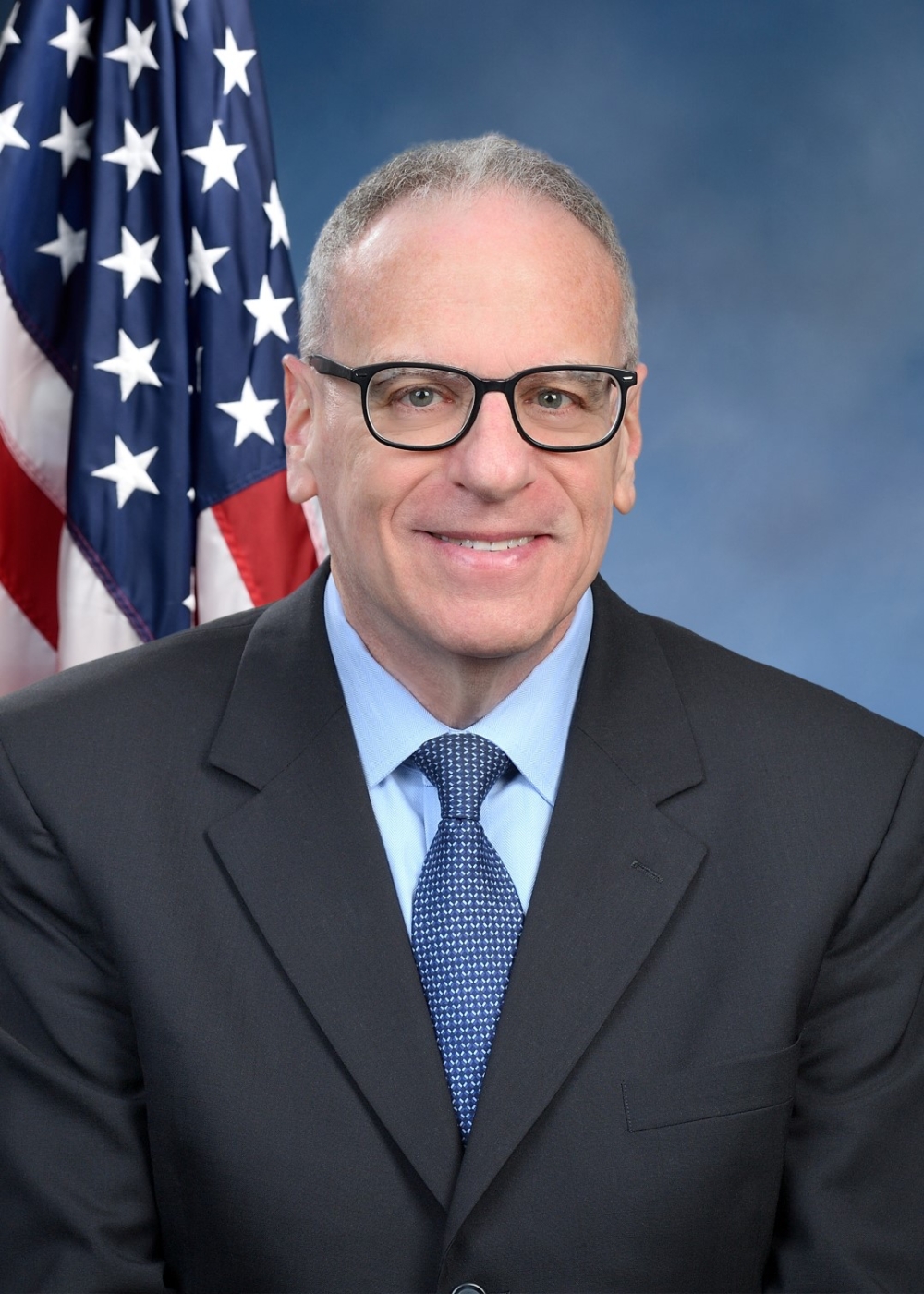
Asm. Jeffrey Dinowitz
Sponsored bills
Maddy summaryThis bill allows eligible voters in New York to register to vote and cast their ballots on the same day at early voting or election day polling locations. To do this, a voter would fill out an affidavit form at the polling place, which serves as a temporary registration that becomes official only after election officials verify the voter's identity and eligibility using state and federal databases. If the information cannot be immediately verified, officials may still issue a voter ID number and accept the ballot, provided the voter meets other legal requirements. The bill requires election boards to offer this process at all early voting and election day sites while ensuring ballot secrecy and proper handling before the votes are counted.
Establishes the time period during which to file a claim for sexual harassment against the state in cases when a complaint was filed with a state or local agency.
Relates to the obligation of a pharmacy to properly dispense or refill a prescription for a drug or device, or a non-prescription drug or device regardless of the ethical, moral or religious beliefs of any employee of such pharmacy.
Maddy summaryThis bill requires the state Department of Health to formally approve medical exemptions for children who cannot receive certain immunizations. Under the new rules, a licensed physician must submit a request with medical evidence showing that a vaccine is contraindicated or poses a risk to the child's health, following Centers for Disease Control and Prevention guidelines. The department is tasked with creating a timely review process and must communicate its decisions to parents and schools, while also allowing for appeals if an exemption request is denied. This legislation clarifies the procedure for obtaining these exemptions and ensures that medical professionals and families have a defined pathway to request them.
Makes provisions relating to the joint nomination of candidates for the offices of governor and lieutenant governor; provides candidates be designated jointly either by the state committee or by petition; provides said petition will be valid only if it jointly designates both candidates.
Prohibits the sale of lithium-ion batteries used in micromobility devices, bicycles with electric assist or limited use motorcycles unless such batteries are manufactured in accordance with certain standards and specifications; provides a civil penalty; authorizes district attorneys, county attorneys, and corporation counsel to have concurrent authority to seek the relief.
Maddy summaryThis bill requires election commissioners and selected staff to complete mandatory training on how election boards operate. The state board of elections will design the curriculum in consultation with these officials, limiting the initial course to thirty hours and the annual refresher to three hours. Training will be offered through various methods, including web-based recorded formats, and must be finished within six months of appointment or by June 1st each year. If an official fails to complete the required instruction, the state board must notify the local governing body and the relevant party chair. The law will not take effect until ninety days after it is passed.
Establishes the clean fuel standard of 2024; provides such standard is intended to reduce greenhouse gas intensity from the on-road transportation sector, with further reductions to be implemented based upon advances in technology.
Maddy summaryThis bill allows attendees at professional and collegiate sporting events to bring their own reusable aluminum or stainless steel bottles and cups into the venue. While venues cannot ban these containers, they are permitted to require that they be empty upon entry, lack a cap, and hold no more than twenty-four fluid ounces. To enforce these rules, the legislation imposes civil penalties of up to $500 for a first violation and $750 for subsequent ones if a venue prohibits allowed containers. The changes would take effect approximately 120 days after the bill becomes law.