

Maddy summaryBill A 1316 prohibits employers, labor organizations, employment agencies, and state or municipal agencies from using an individual's consumer credit history when making decisions about hiring, employment, or granting licenses and permits. This includes information from credit reports, credit scores, and details about an individual's payment history or debts. The bill outlines specific exceptions where credit history can still be considered, such as for law enforcement positions, jobs requiring federal security clearance, or roles involving significant financial authority or access to trade secrets. Additionally, agencies can still consider an applicant's failure to pay taxes, fines, or court-ordered judgments.
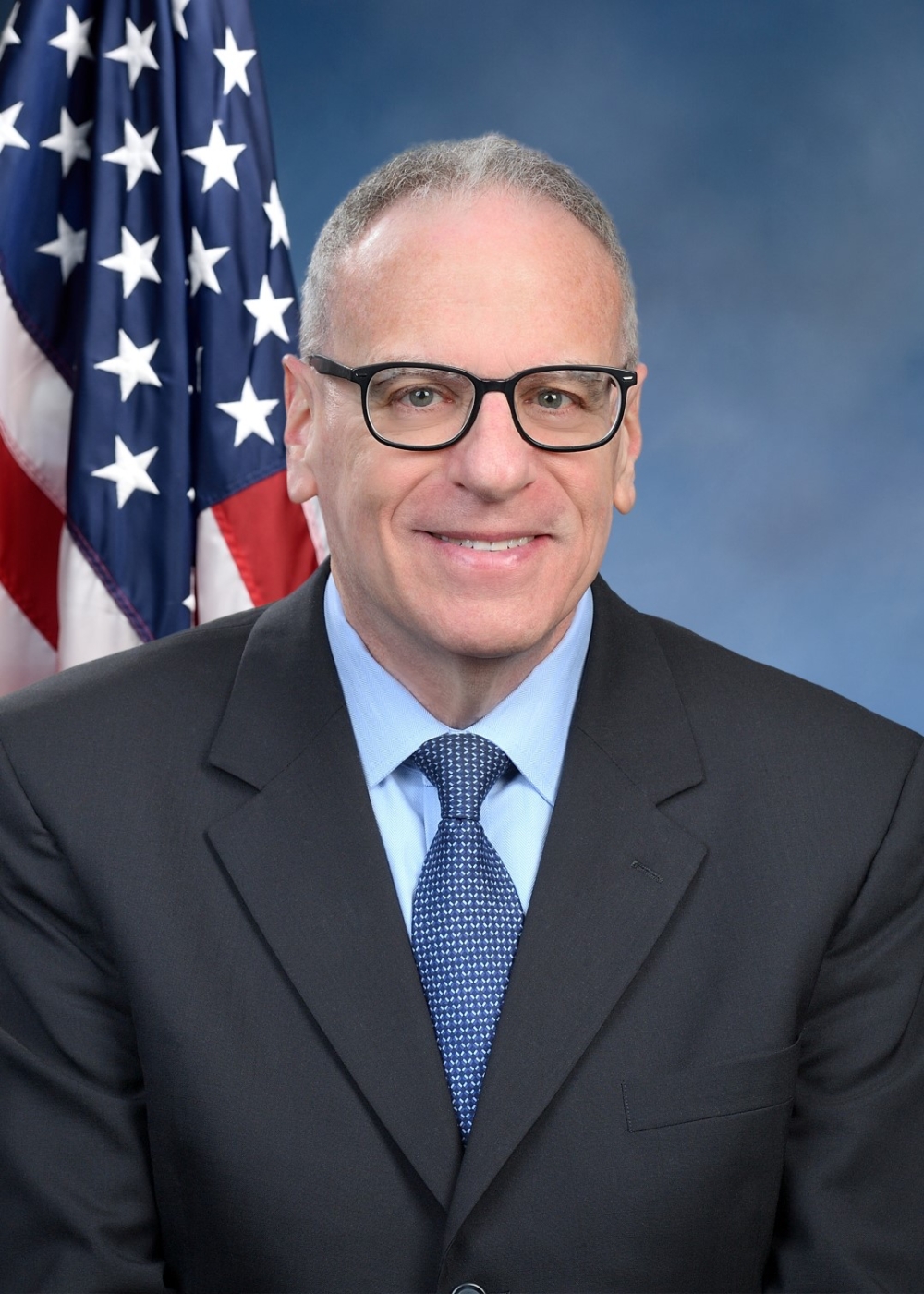
Asm. Jeffrey Dinowitz
Sponsored bills
Requires that a billing statement delivered to the customer by an energy services company include a side-by-side comparison showing both the price charged by the energy service company for commodity and delivery service during the prior billing period, and the price the customer would have paid had they taken commodity and delivery service from their local utility corporation or municipality; requires an energy service company to provide each of its customers with an annual statement comparing the price charged by the energy service company for commodity and delivery services and other energy-related value-added products over the prior twelve-month period with the price such customer would have paid had they taken commodity and delivery service from their local utility corporation or municipality.
Maddy summaryThis bill requires firearms dealers, gunsmiths, and licensing officers to include rifles and shotguns in mandatory warnings about firearm-related risks. It mandates that warnings be posted prominently at retail locations, distributed to buyers at purchase, and provided with license issuances, stating that access to these weapons increases risks of suicide, domestic violence deaths, and accidental child injuries. The warnings must appear in bold 26-point type on 8.5x11-inch materials and include the National Suicide Prevention Lifeline (988). It affects all firearm sellers and license issuers in New York, building on prior requirements that previously used generic terms like "weapons." The bill does not restrict gun ownership but adds specific language to existing disclosure rules.
Maddy summaryThis bill restricts certain harmful chemicals in menstrual products sold in New York State. It prohibits manufacturers from intentionally adding specific substances like lead, mercury, formaldehyde, phthalates, and PFAS (a class of chemicals including Teflon-like compounds) to products such as tampons, pads, and menstrual cups. Starting immediately upon the bill's effective date (12 months after enactment), these chemicals cannot be added as intentional ingredients, with future safety thresholds for remaining traces to be set by health and environmental agencies by 2029. The law applies to all distributors and sellers of menstrual products within New York.
Relates to the climate change adaptation cost recovery program and requirements for climate change adaptive infrastructure projects; relates to the use of funds from the climate change adaptation fund for certain projects; relates to the disclosure of certain data from returns of petroleum or fossil fuel businesses; relates to expenditure of funds from the climate change adaptation fund; repeals certain provisions; relates to severability and legislative findings.
Provides for the protection of health information; establishes requirements for communications to individuals about their health information; requires either written consent or a designated necessary purpose for the processing of an individual's health information.
Maddy summaryThis resolution directs the Assembly Clerk to arrange seating for press representatives in the Assembly chamber, pending the Speaker's approval. It directly affects where media members sit during legislative sessions. The bill is procedural and does not create new laws or policies - it only modifies physical seating arrangements. No substantive changes to legislation or voting rights are involved.
Maddy summaryThis bill requires New York state-owned parking facilities with at least 50 spaces to install electric vehicle charging stations in a percentage of spots ranging from 10% to 20%, depending on the facility's total size. The Office of General Services is tasked with installing and maintaining these stations, which must meet specific electrical capacity standards, and is authorized to hire licensed electricians if upgrades to the power system are needed. The law applies to public, employee, and pay-per-use parking areas and would have taken effect on April 1 of the following year. However, the bill was vetoed by the Governor in December 2024 and subsequently tabled, meaning it did not become law.
Requires the owner or operator of a vessel to establish and maintain with the department evidence of financial responsibility sufficient to meet the amount of liability.
Maddy summaryThis bill updates the laws governing wrongful death lawsuits to clarify exactly what types of money can be awarded to the surviving family members of a deceased person. It explicitly allows juries or courts to grant compensation for funeral costs, medical bills incurred before death, grief, and the loss of financial support, guidance, and companionship. The legislation also defines who is eligible to receive these damages, including spouses, domestic partners, children, parents, and individuals who stood in a parent-like role to the deceased. Additionally, the bill sets specific rules for how the awarded money must be shared among eligible survivors based on their individual losses and outlines how legal fees and other expenses are handled.