

Maddy summaryThis bill repeals New York's election law (Section 17-140) that previously criminalized offering small-value items - like free coffee, pens, or snacks - to encourage people to vote at polling places. It directly affects voters and election organizers by removing criminal penalties for providing these nominal incentives. The key change is eliminating the legal prohibition on such low-cost, non-monetary enticements to boost voter turnout. The bill was signed into law on June 21, 2025, after passing both legislative chambers.
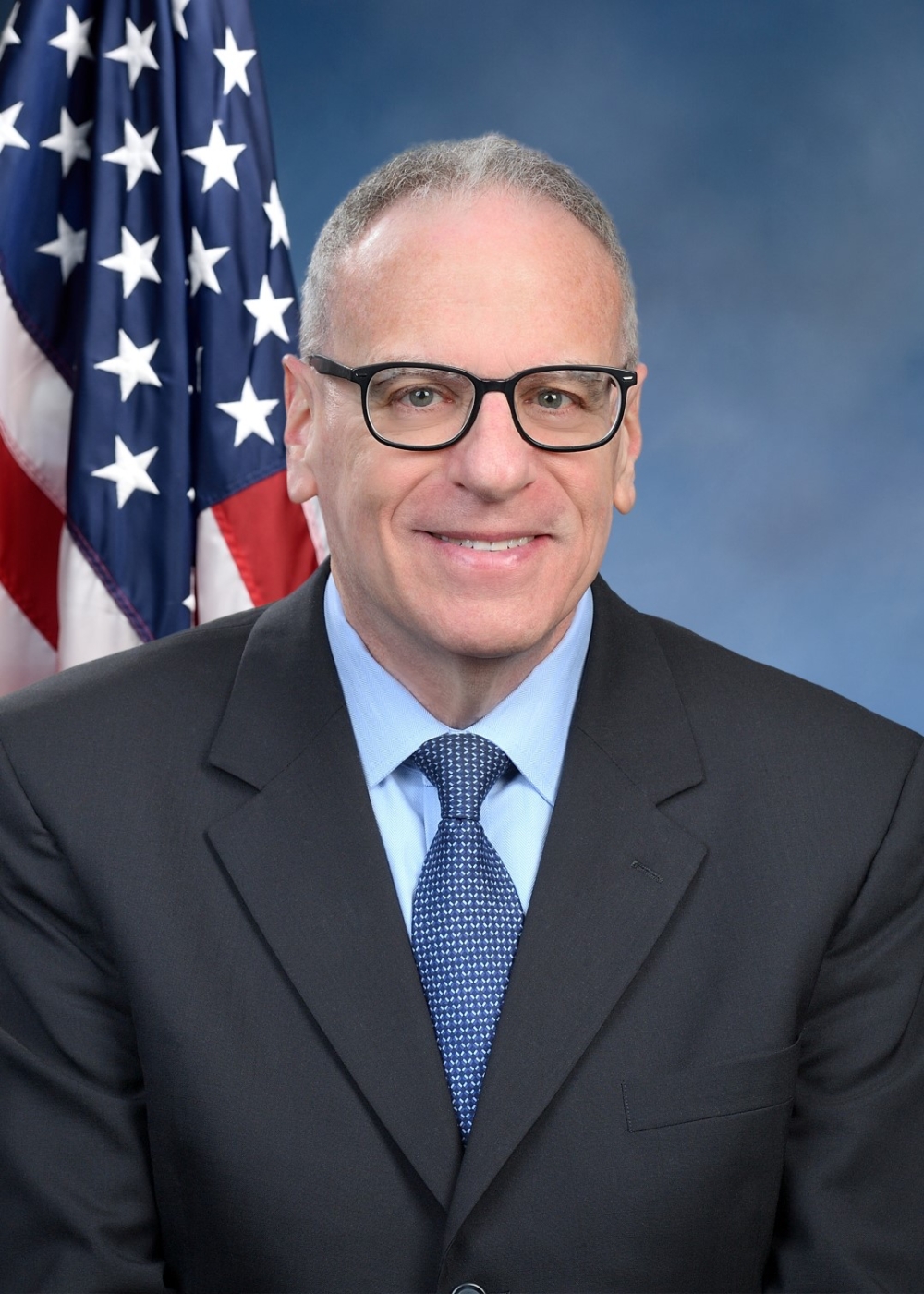
Asm. Jeffrey Dinowitz
Sponsored bills
Maddy summaryThis bill allows a plaintiff who has won a court judgment against a defendant (but hasn't been paid) to directly collect the unpaid amount from a third party who owes money to the original defendant for contribution or indemnity. Specifically, if the defendant has a valid claim against a third party (like another business or insurer), the plaintiff can step into the defendant's shoes and pursue that third party for payment, up to the amount the defendant was owed. It applies only to unsatisfied judgments over 30 days old and includes key exceptions, such as not covering claims barred by workers' compensation law or cases involving the plaintiff's own employer. The bill does not create new causes of action but streamlines recovery by transferring the defendant's existing claim to the plaintiff.
Ensures that construction and fabrication done off of a public work site for specific use only in a public work project be compensated at the prevailing wage rate.
Provides immunity from prosecution for certain individuals engaged in prostitution who are victims of or witnesses to a crime and who report such crime or assist in the investigation or prosecution.
Enacts the "fostering affordability and integrity through reasonable (FAIR) business practices act", to expand the attorney general's ability to protect New Yorkers from unfair, deceptive and abusive business practices.
Requires the board of elections in a city with a population of one million or more to notify by mail state and county party committees and certain elected officials prior to a change of polling place.
Maddy summaryThis bill expands New York's veterans tuition awards program to allow qualified veterans to transfer unused benefits to their spouse, child, or eligible survivor. It defines key terms like "qualified veteran" (a veteran who would qualify for the award) and "eligible immediate family" (spouse, child, or survivor meeting specific marriage or family conditions). Veterans can transfer all or part of their unused award to family members, with children needing to be under 26 and the veteran having served at least 10 years (with exceptions for certain separations or deaths). The bill also limits transfers to 100 per year and takes effect July 1, 2026.
Maddy summaryThis bill establishes a state-run online system requiring auto insurers to electronically report policy details (like issuance, cancellation, and vehicle identification) to the Department of Motor Vehicles. It directly affects insurers writing private passenger or commercial auto insurance in New York, who must submit data including policy numbers, vehicle IDs, and addresses to help identify uninsured vehicles. Key provisions mandate insurers to report policy changes within 14 days (for new policies) or 30 days (for cancellations), with the state using this data to verify insurance status during traffic stops or registrations. The system aims to streamline enforcement of insurance requirements without changing existing coverage standards.
Authorizes increased equity withdrawals by certain non-public residential health care facilities; establishes the nursing home worker recruitment and safety fund.
Maddy summaryThis bill requires utility companies and contractors to provide detailed electronic records identifying pole attachments, including equipment owners, contractors, work dates, and safety compliance details. It creates an online public complaint system for reporting unsafe attachments, equipment hazards, or violations of safety standards like the National Electrical Safety Code. The commission must investigate complaints within two weeks and can issue fines up to $20,000 for first violations, $50,000 for second violations, or stop-work orders for third violations. The law directly affects utility providers, telecom companies, and contractors working on utility poles, aiming to improve public safety and accountability through standardized reporting and enforcement.