

Relates to returnable bottles; adds noncarbonated soft drinks, certain noncarbonated fruit or vegetable juices, coffee and tea beverages, carbonated fruit beverages and cider to the definition of "beverage"; provides that beginning April 1, 2027, the handling fee will be six cents for each beverage container accepted by a deposit initiator from a dealer or operator of a redemption center; directs the multi-agency bottle bill fraud investigation team to submit a report on findings of pervasive bottle redemption fraud in New York state.
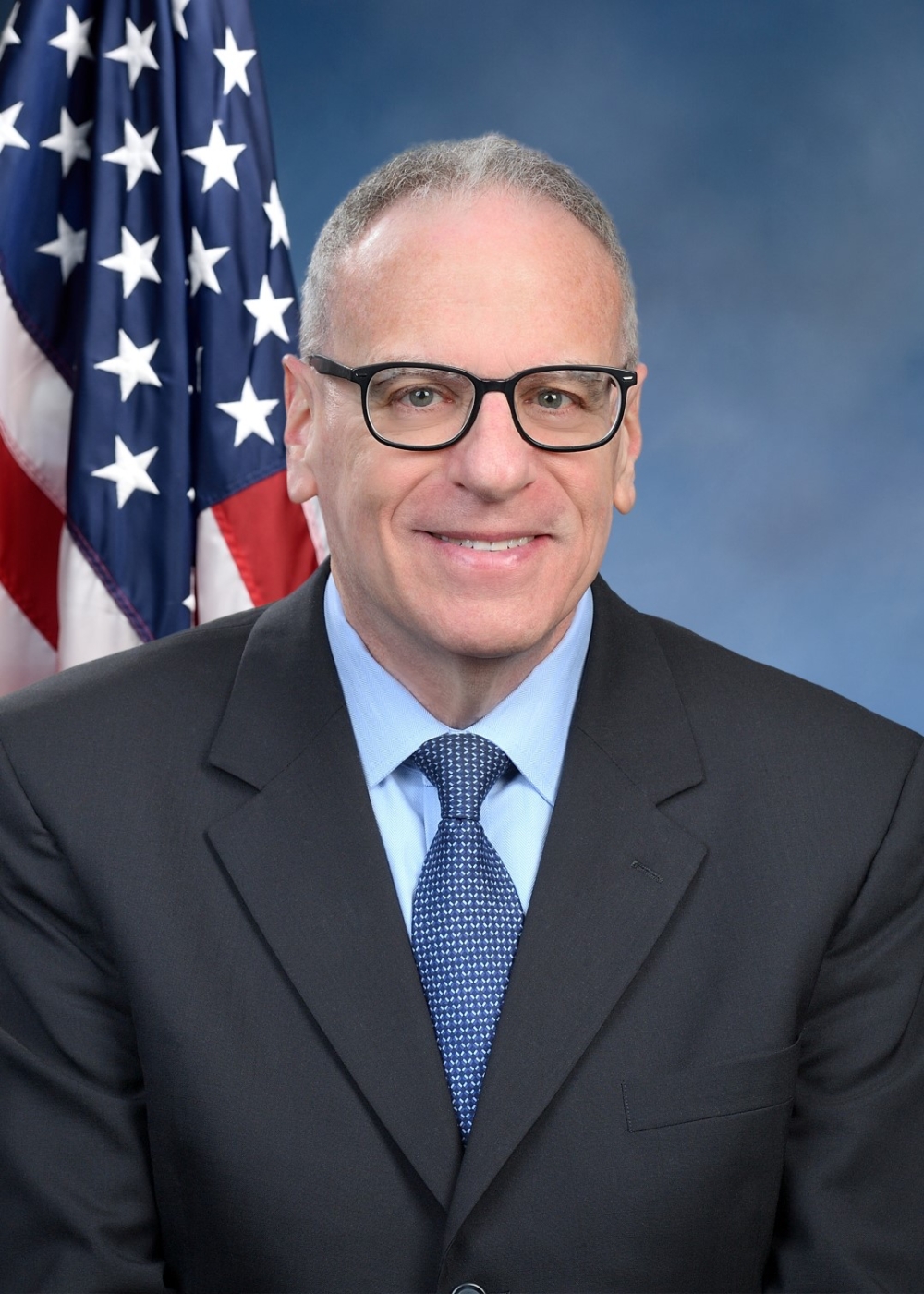
Asm. Jeffrey Dinowitz
Sponsored bills
Maddy summaryThis bill makes it a felony to intentionally stage a construction site accident to file a fraudulent insurance claim. It directly affects individuals or groups who enter construction sites to fake injuries or damage with the specific intent of submitting a false insurance claim. The law criminalizes both personally staging such accidents and directing others to do so, treating it as a class E felony punishable by prison time. The key provision creates a new criminal offense specifically targeting insurance fraud at construction sites.
Maddy summaryThis bill (A 4774) restores a specific medical standard - defined as resuscitation being "unsuccessful in restoring cardiac and respiratory function or causing repeated arrests before death" - as a valid basis for issuing a do-not-resuscitate (DNR) order. It directly affects patients with irreversible conditions (e.g., terminal illness, permanent unconsciousness) who lack decision-making capacity, making it easier for medical teams to establish DNR orders without court approval under New York’s Family Health Care Decisions Act and Surrogate’s Court procedures. The key provision adds this "medical futility" criterion as an alternative to existing standards, clarifying when resuscitation would not be effective. This change simplifies the process for healthcare providers in end-of-life scenarios where treatment would not work.
Sets out the procedures and requirements for special elections; implements a timetable for the special primary and special election, including the number of signatures required for the petition.
Maddy summaryThis bill creates a new procedure allowing parties to request the court of appeals to reconsider a prior decision if a subsequent state law contradicts that ruling. It applies to ongoing cases (not yet final) where new legislation directly conflicts with the court's previous legal interpretation. Parties must file a motion within 90 days of the new law's enactment or effective date, and the court must then consider all legal issues affected by the new law, even if those issues weren't previously addressed. The bill does not change the outcome of cases but provides a specific process for courts to revisit decisions based on new legislative action.
Imposes a commercial vacancy tax on vacant or abandoned commercial storefronts located in a city with a population of one million or more of one percent of the assessed value of the property.
Establishes the New York Health program, a comprehensive system of access to health insurance for New York state residents; provides for administrative structure of the plan; provides for powers and duties of the board of trustees, the scope of benefits, payment methodologies and care coordination; establishes the New York Health Trust Fund which would hold monies from a variety of sources to be used solely to finance the plan; enacts provisions relating to financing of New York Health, including a payroll assessment, similar to the Medicare tax; establishes a temporary commission on implementation of the plan; provides for collective negotiations by health care providers with New York Health.
Maddy summaryThis bill significantly expands eligibility for judicial diversion programs, allowing individuals charged with a broader range of offenses to participate if they have a "qualifying diagnosis." This diagnosis includes serious mental disorders, other mental health disorders causing severe functional impairment, or substance use disorders. While most Class A felonies and Class B sexual offenses are generally excluded, the bill establishes a new "diversion part" in each county. It also redefines "treatment" within these programs to include evidence-based interventions outside of carceral settings.
Maddy summaryThis bill (A 1249) amends New York City's rent stabilization law to regulate when landlords can demolish buildings for redevelopment. It directly affects tenants in rent-stabilized housing who face potential displacement due to building demolition. Key provisions require landlords to prove a building is substandard, obtain building permits, and file demolition applications 90 days before lease expiration. Landlords must then offer tenants one of three options: relocation to comparable housing nearby with same/low rent plus a $5,000 stipend, relocation with a rent-difference stipend, or a calculated stipend based on a city chart.
Maddy summaryBill A 186 prohibits the tail docking of cattle by making it a misdemeanor to cut or alter a cow's tail for docking purposes. It directly affects cattle owners, farmers, and ranchers who may have practiced tail docking for management or aesthetic reasons. The law imposes penalties of up to one year in jail or a $500 fine for violations, and unhealed tail wounds on cattle are considered prima facie evidence of a violation. The bill amends New York's Agriculture and Markets Law to ban this practice immediately upon enactment.