

Maddy summaryThis bill expands where service of legal process (like lawsuits) can be delivered to the New York State Department of State. It allows service to be made at the Department's office in New York City, in addition to its existing Albany office, for corporations, associations, and other entities that use the Department as their legal agent. The bill maintains two service options: personal delivery at either office or electronic submission (if an email is on file), with no extra cost to the person initiating the service. This change primarily affects businesses and organizations registered with the State Department, streamlining how legal notices reach them.
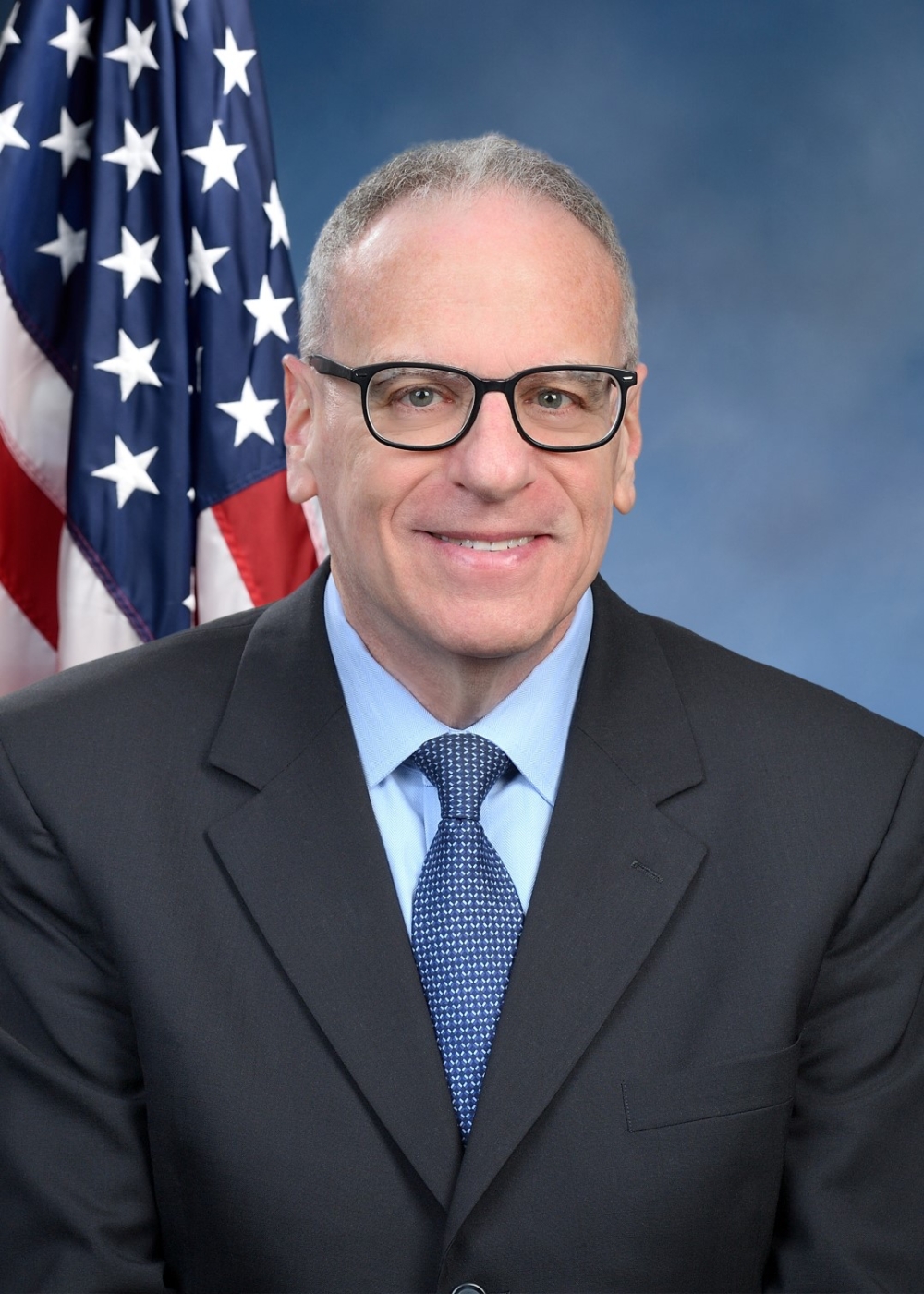
Asm. Jeffrey Dinowitz
Sponsored bills
Maddy summaryThis bill (A 156) regulates smart access systems in apartment buildings (class A multiple dwellings) to protect tenant privacy and ensure reliable entry. It requires owners to provide physical backup entry methods (like key fobs or cards) alongside apps, prohibits reliance solely on web-based systems, and mandates free basic access devices for tenants and children. The bill strictly limits data collection to essential information (e.g., user name, unit number, access times) and bans new biometric systems for three years, while requiring clear tenant notices about the system. It directly affects apartment owners/managers and tenants/guests by defining data rights and access standards.
Maddy summaryThis bill changes how parking violation notices are handled in New York. It requires hearing examiners to provide written decisions explaining the legal basis for each ticket's outcome (guilty or not guilty) and gives drivers the option to request a hearing for each individual ticket. The bill also mandates that the state surcharge must be paid unless a hearing officer dismisses the ticket based on specific merits presented by the driver. These changes aim to increase transparency and fairness for drivers contesting parking violations.
Enacts the "fair pay for home care act" relating to minimum wages applicable to home care aides; provides for a minimum wage of 150% of the applicable statewide or regional minimum wage.
Maddy summaryThis bill creates a new policy allowing pay-per-ride Metrocard users to receive two automatic free transfers between subway and bus, or between buses owned by the authority, without additional cost. It directly affects Metrocard users who pay for individual rides, providing them with two transfers valid for two hours from the time their fare is paid. The policy requires separate state funding for implementation and cannot be paid from the authority's regular operating or capital budget. The bill does not change existing fare structures but adds this transfer benefit for eligible riders.
Lowers the blood alcohol concentration required for driving while intoxicated from .08 of one per centum to .05, and for aggravated driving while intoxicated from .18 per centum to .12.
Maddy summaryThis bill (A 1220) makes permanent key provisions allowing nurse practitioners (NPs) to diagnose illnesses, prescribe treatments, and perform therapeutic measures within their specialty, **directly affecting NPs and collaborating physicians**. It requires written practice agreements between NPs and collaborating physicians that include explicit dispute resolution procedures for disagreements over diagnosis or treatment. The bill clarifies that if agreements lack such provisions, the collaborating physician's decisions prevail. These changes update New York's education law to modernize NP practice standards without adding new restrictions. (Bill A 1220, Section 1 & 2, Education Law)
Imposes fines for failure to exercise due care and move over when approaching parked, stopped or standing motor vehicles on the shoulder of a highway.
Requires operators of bicycles, skateboards, inline skates and scooters who are under eighteen years of age to wear protective headgear; increases the age requirement from fourteen years to eighteen years.
Relates to the appointment and reporting duties of the superintendent of the state police and to the appointment of employees of the state police; requires the approval of certain duties of the state police by the superintendent of the state police.