

Creates the state office of the utility consumer advocate to represent interests of residential utility customers including a proposed change of rates, charges, terms and conditions of service, the adoption of rules, regulations, guidelines, orders, standards or final policy decisions.
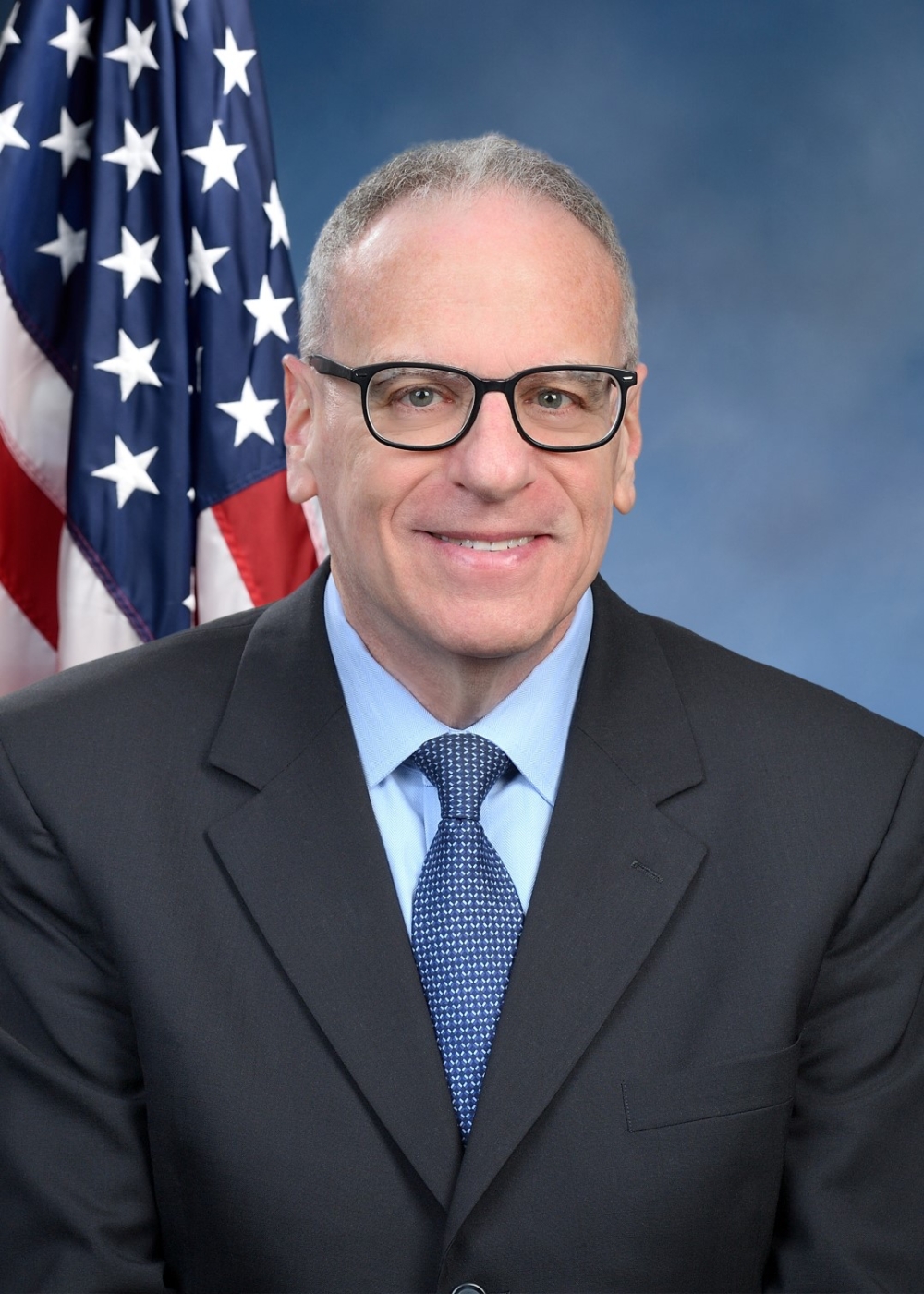
Asm. Jeffrey Dinowitz
Sponsored bills
Prohibits the use of aversive conditioning which includes any procedure which causes obvious signs of physical pain, including but not limited to hitting, pinching and electric shock; prohibits the use of any procedure or punishment which denies a vulnerable person reasonable sleep, shelter, bedding, bathroom facilities and any other aspect expected of a humane existence; defines terms.
Establishes the "stop online predators act"; requires operators of covered platforms to conduct age verification to determine whether a user is a covered minor; requires operators of covered platforms to utilize certain default privacy settings for covered minors; requires operators of covered platforms to require parental approval of certain activity related to a covered minor's covered platform account.
Amends procedures required for the custodial interrogation of children to provide additional protections and for taking juveniles and sixteen and seventeen year olds into custody.
Repeals managed long term care provisions for Medicaid recipients; establishes provisions for fully integrated plans for long term care including PACE and MAP plans.
Maddy summaryThis bill removes criminal penalties for possessing buprenorphine (a medication used to treat opioid addiction) when used for medical purposes under specific circumstances. It directly affects individuals who currently face criminal charges for possessing this medication, particularly those using it in addiction treatment. The key change amends Public Health Law to clarify that possession for medical use by a practitioner or patient is no longer classified as a crime. The law remains focused on medical use during treatment for addiction, without creating new programs or funding.
Enacts the "gender identity respect, dignity and safety act"; relates to the treatment and placement of incarcerated individuals based upon gender identity; requires that incarcerated individuals in state and local correctional facilities who have a gender identity different from their assigned sex at birth be addressed and have access to commissary items, clothing and other materials that are consistent with the person's gender identity; establishes that incarcerated individuals shall be presumptively placed in a correctional facility with persons of the gender that most closely aligns with such person's self-attested gender identity unless the person opts out of such placement.
Relates to certain crimes of interference with health care services or access to places of religious worship; expands interference to include groups of two or more people demonstrating or preparing to demonstrate twenty-five feet outside of reproductive health care facilities and places of religious worship.
Enhances criminal investigations and prosecutions in relation to the integrity of statements of those accused of crimes and to promote confidence in the criminal justice system.
Maddy summaryThis bill updates the definitions and requirements for organizations that provide fiscal intermediary services within the consumer directed personal assistance program. It establishes a new category of "Fiscal intermediary" alongside the existing "Statewide fiscal intermediary," allowing certain entities, like those with Department of Health contracts or independent living centers, to operate in this role. These new fiscal intermediaries will have the same status as the Statewide fiscal intermediary and can directly contract with managed care plans and other programs. The bill also removes the procurement process requirement for the Statewide fiscal intermediary and streamlines registration rules for these service providers.