

Enacts the "Renewable Capitol act"; requires the office of general services, in consultation with the power authority of the state of New York, to ensure that all operations that power, heat or cool the empire state plaza complex shall entirely use renewable energy systems; requires the office of general services to establish an advisory committee to advise the office of general services on the preparation, design and content of a plan for the use of renewable energy systems.
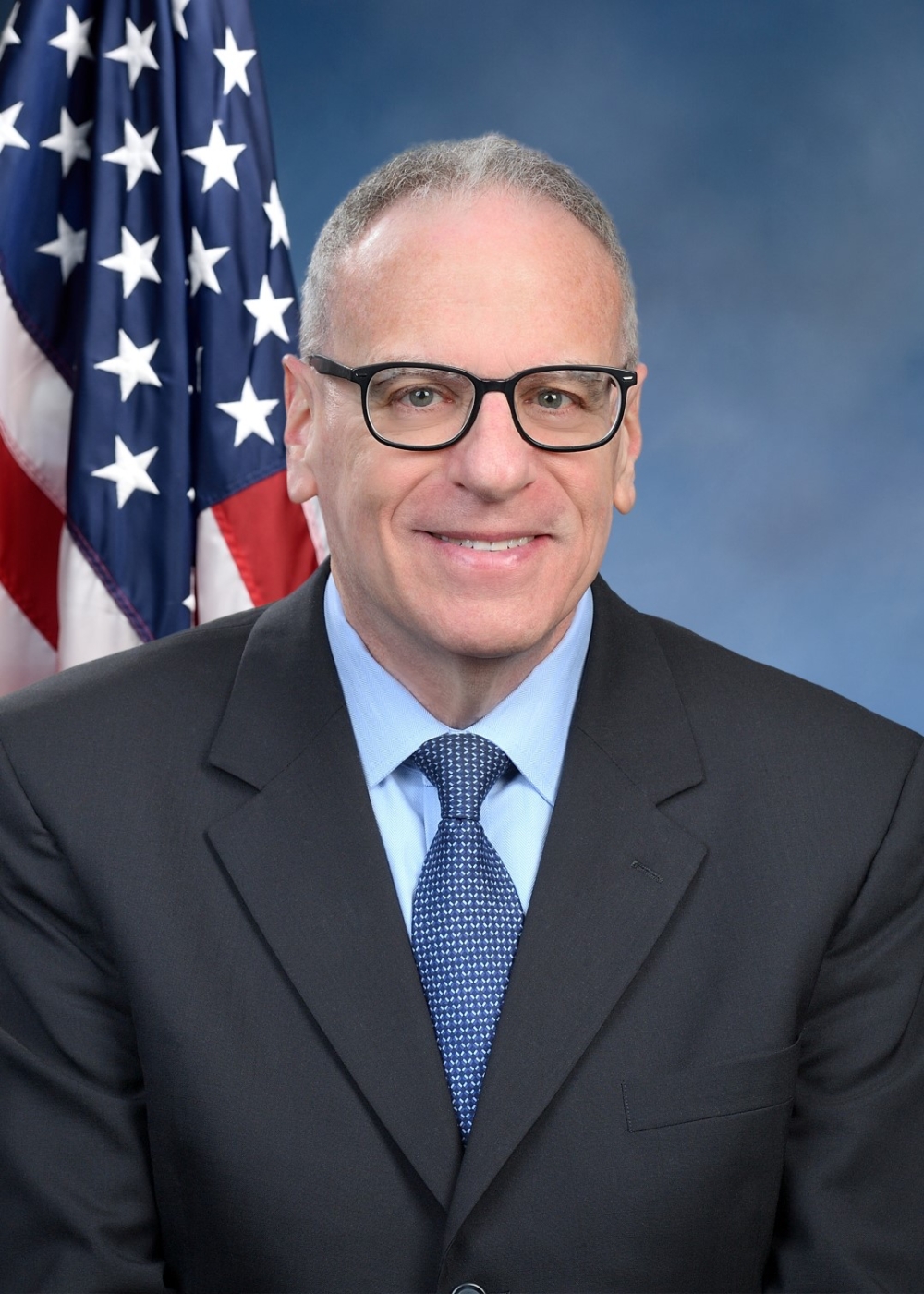
Asm. Jeffrey Dinowitz
Sponsored bills
Maddy summaryThis bill modifies New York State's real property tax law to allow property owners of affordable housing buildings to receive tax reductions for making specific repairs and improvements that maintain the habitability of their units. It directly affects owners of multi-unit rental buildings, condominiums, cooperatives, and mutual housing companies that meet certain income and affordability requirements. To qualify, buildings must have at least three units, and owners must obtain a certificate from their local housing agency confirming the project's eligibility and cost limits, with improvements needing to be completed within a thirty-month window. The tax abatement is tied to a certified reasonable cost schedule that sets maximum dollar limits for approved alterations, ensuring funds are used for essential maintenance rather than expansion.
Requires all motor vehicle insurers to file annual detailed financial and claim data statements with the superintendent of financial services; provides that all such statements shall be made available to the public.
Maddy summaryThis bill prohibits mandatory arbitration clauses in consumer contracts for goods or services intended for personal, family, or household use. It requires that any arbitration clause included in such contracts must be printed in 16-point font or larger. The law applies to businesses selling consumer goods or services within the state. Violations carry civil penalties of up to $250 for a first offense and $500 for subsequent offenses.
Maddy summaryThis bill requires sellers to provide lead-based paint test reports to buyers before selling residential properties built before 1978. It directly affects home sellers, buyers, and real estate agents in New York for properties constructed prior to 1978, which are most likely to contain lead paint. The key mechanism mandates a one-time inspection and disclosure of test results before title transfer, with reports added to a state registry for future buyers. This complements existing laws by standardizing disclosure across all residential sales, not just rentals, ensuring buyers receive clear information about potential lead hazards. The law does not replace buyer due diligence or existing seller responsibilities.
Enacts the "NYS health care tax reform act"; establishes a public goods and medicaid subsidy surcharge on insurance corporations; establishes a public goods and medicaid subsidy surcharge on business corporations; establishes a public goods and medicaid subsidy surcharge on pass-through entities; relates to filing fee surcharges; relates to revenues to be included in the health care reform act resources fund; establishes a public goods and medicaid surcharge on misclassified workers.
Establishes the rare disease advisory council to identify best practices, raise awareness regarding rare diseases, evaluate barriers to access to care, and to make recommendations to the legislature and the governor.
Maddy summaryThis bill requires large cooperative housing corporations that generate their own electricity, steam, or water to pay an excise tax directly to the city instead of passing the cost onto tenants. The tax applies to cooperatives with at least 1,500 apartments that produce their own energy through cogeneration facilities and distribute it to residents. Under the new rules, the tax rate is set at zero percent, meaning the utility pays the tax but does not add it as a separate charge on customer bills. The legislation aims to clarify that such taxes are operating costs for the utility rather than fees for consumers.
Maddy summaryThis bill amends New York's military law to allow uniformed members of the New York National Guard who have received duty orders to ride for free on public transportation, including subways, buses, trains, ferries, and toll roads. The provision requires service members to be in uniform or present a valid duty order or certificate to qualify for the free passage. The changes apply to existing organized militia members and take effect 30 days after the bill becomes law.
Imposes an excise tax on the gross receipts of the sales of firearms, major components of firearms and ammunition; establishes the gun violence prevention and school safety fund.