

Requires the installation of smoke detectors in residential buildings with common spaces shared between three or more dwelling units and that such smoke detectors can be heard in such common spaces.
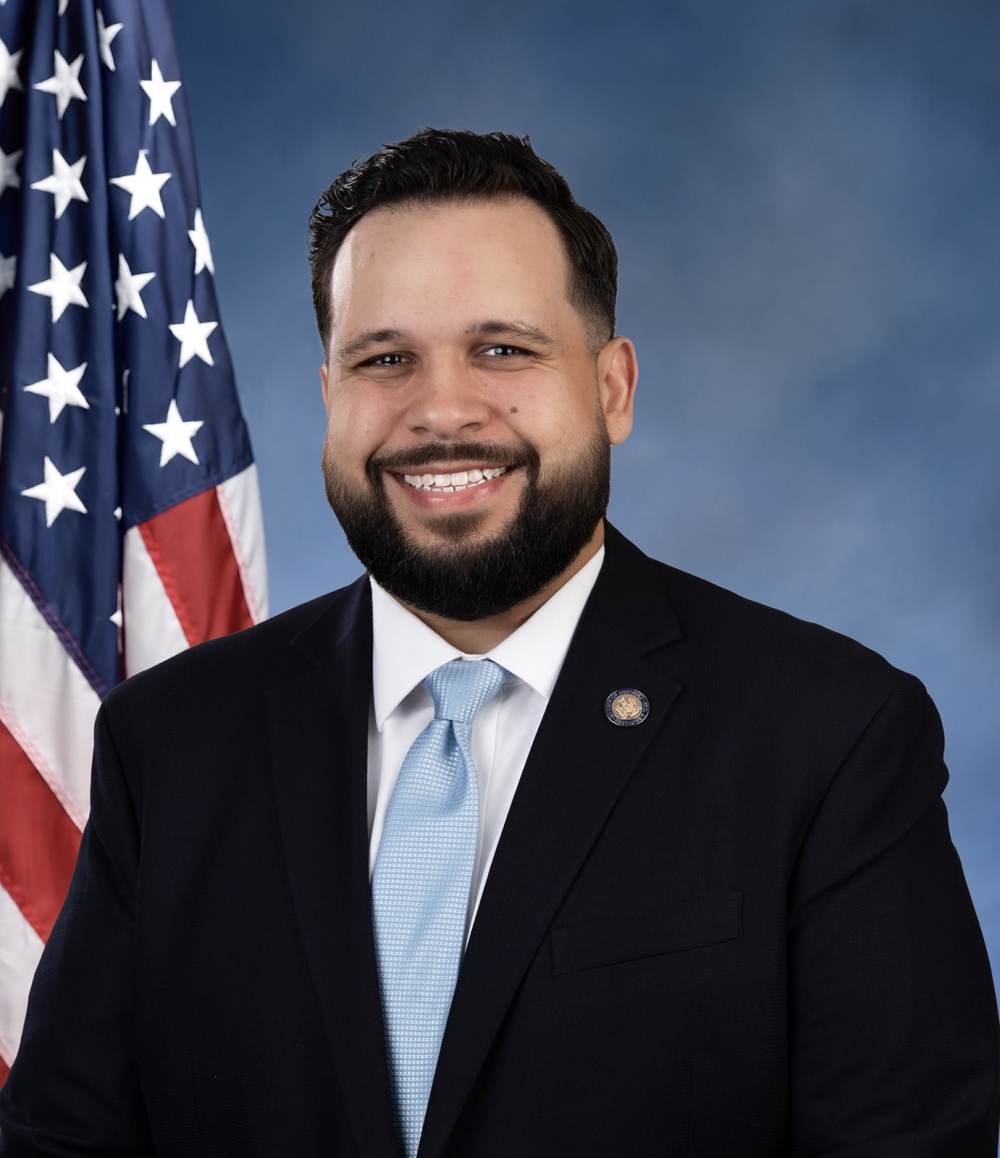
Asm. John Zaccaro
Sponsored bills
Maddy summaryThis bill restricts certain harmful chemicals in menstrual products sold in New York State. It prohibits manufacturers from intentionally adding specific substances like lead, mercury, formaldehyde, phthalates, and PFAS (a class of chemicals including Teflon-like compounds) to products such as tampons, pads, and menstrual cups. Starting immediately upon the bill's effective date (12 months after enactment), these chemicals cannot be added as intentional ingredients, with future safety thresholds for remaining traces to be set by health and environmental agencies by 2029. The law applies to all distributors and sellers of menstrual products within New York.
Maddy summaryThis bill designates East Harlem, also known as "El Barrio," as a cultural district by amending the state's arts and cultural affairs law. The legislation defines the district's boundaries as the area between East 96th and 125th Streets, bounded by Fifth Avenue and the East River. Once designated, the Council on the Arts is authorized to provide grants, technical assistance, and other support to cultural institutions within this specific region to promote its cultural significance. The law also allows the council to designate additional cultural districts in the future, provided they are compact, contiguous areas with a shared cultural heritage.
Maddy summaryThis bill creates the Staff Sergeant Alex R. Jimenez New York State Military Immigrant Family Legacy Program to help military members and their families with immigration issues. The program establishes liaisons within the Department of Veterans' Services and the Office for New Americans to connect eligible individuals with legal resources and guidance on obtaining citizenship or other immigration relief. These liaisons will coordinate with federal agencies, local organizations, and attorneys to assist service members, veterans, and reserve component members who have served honorably. The legislation also requires annual reports to track the program's activities and the number of people assisted.
Prevents the displacement of call center workers who provide call center services for the government in certain circumstances; provides protections for call center workers when contracts with call center contractors are terminated; requires new call center contractors to hire existing call center workers; protects collective bargaining agreements.
Expands the definition of mental health care provider to include licensed mental health counselors and licensed marriage and family therapists, for purposes of certain sex offenses committed during a treatment session, consultation, interview, or examination.
Maddy summaryThis bill aims to stop child care programs from requiring parents or caretakers to meet minimum wage or hour thresholds to qualify for financial help. Under the proposed change, families would receive assistance based on their eligibility status alone, without needing to prove they earn a specific amount of money or work a set number of hours. The legislation would have applied immediately upon passing, removing existing financial barriers for low-income parents seeking child care support.
Relates to the statewide presumptive eligibility standard; authorizes local social services districts to utilize child care block grant funds for the presumptive eligibility period.
Maddy summaryThis bill establishes a formal definition for "noncompliant state agencies" and creates a reporting system to track their progress in managing contracts with not-for-profit corporations. Under the new rules, an agency is considered noncompliant if it fails to submit renewal contracts to the attorney general within required timeframes or does not fully execute contracts before they start. Noncompliant agencies must submit monthly reports detailing their delays and corrective actions to the state comptroller, the legislature, and the affected not-for-profit organizations, with all reports made public on agency websites. Additionally, the bill clarifies that any written directives allowing services to begin before a contract is finalized must include a payment schedule and a warning that late payments will incur interest.
Maddy summaryThis bill mandates the installation of working smoke detectors in shared areas of multi-unit buildings and condominiums across the state. It specifically requires these alarms to be placed in common spaces like hallways, lobbies, and stairwells where the sound is audible to all residents. The law also updates rules for property transfers, ensuring that sellers provide an affidavit confirming compliance when selling a home or apartment. Additionally, the bill clarifies that failing to install these detectors does not void property warranties or insurance claims.