

Establishes that when an actor threatens to disseminate or publish a still or video image depicting such other person with one or more intimate parts exposed or engaging in sexual conduct with another person, including a still or video image created or altered by digitization, where such person may reasonably be identified from the still or video image itself or from information displayed in connection with the still or video image within the provisions of unlawful dissemination or publication of an intimate image.
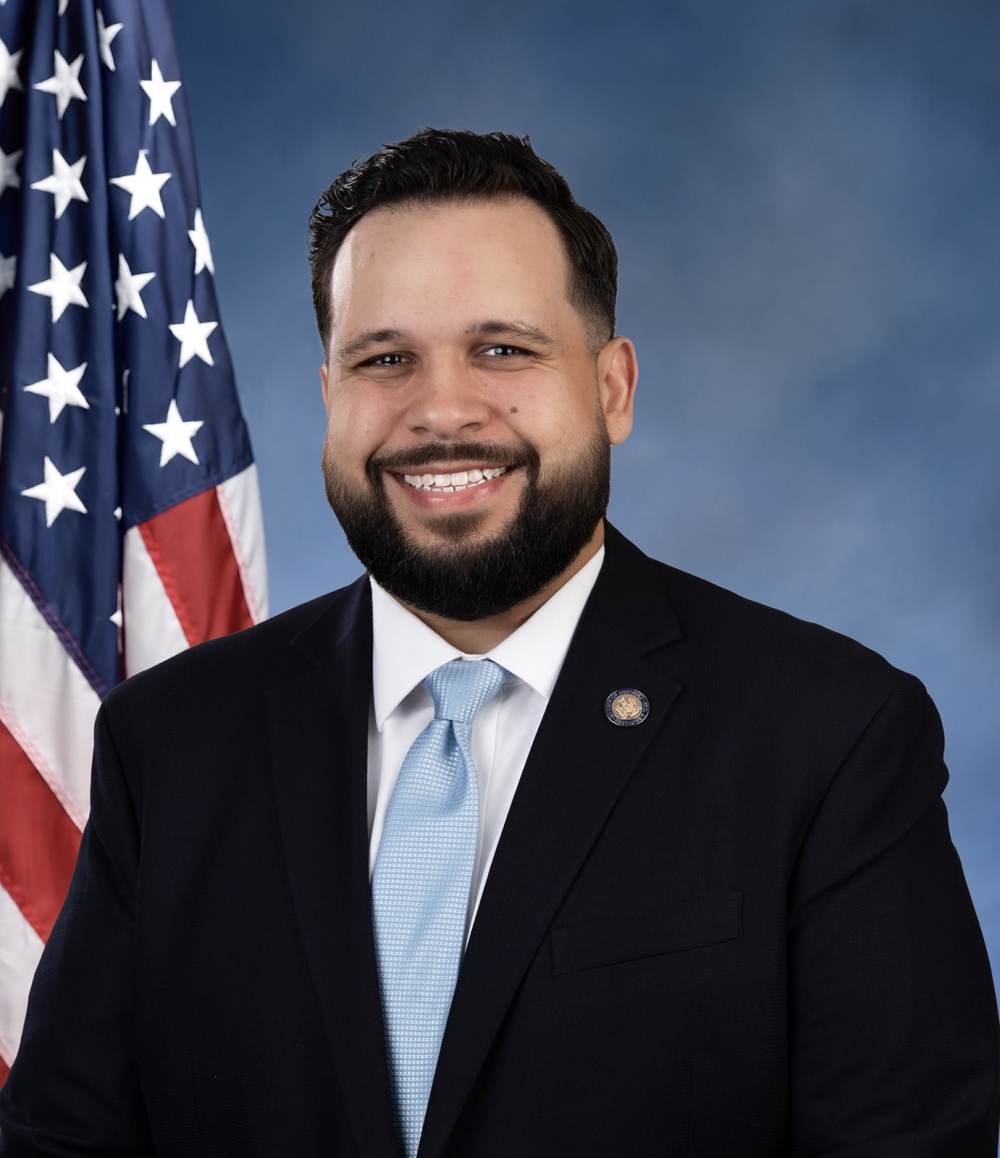
Asm. John Zaccaro
Sponsored bills
Maddy summaryThis bill prohibits food service businesses (like restaurants) and third-party delivery apps (like Uber Eats) from sending targeted push notifications or text messages to minors (under 18). It requires these platforms to verify a user's age by having them manually enter their birth date during account registration. If a user's birth date indicates they are a minor, the platform must not send any promotional or engagement-focused notifications designed to encourage app use. The law directly affects businesses and delivery services operating in New York, aiming to limit digital marketing to underage users.
Prohibits telephone corporations from charging a caller any increased rates, charges, or fees for long-distance or other calls without first notifying such caller.
Maddy summaryThis bill (A 6913) requires all cosmetology licensees and applicants in New York to complete an online domestic violence and sexual assault awareness course. The course, developed by the Office for the Prevention of Domestic Violence with advocacy groups, covers abuse definitions, warning signs, how to support victims, local resources, cultural considerations, and legal protections. It must be culturally competent, linguistically accessible, and include practical strategies for salon environments. The law affects current and new cosmetology license holders, mandating completion before license issuance or renewal.
Maddy summaryThis bill significantly expands eligibility for judicial diversion programs, allowing individuals charged with a broader range of offenses to participate if they have a "qualifying diagnosis." This diagnosis includes serious mental disorders, other mental health disorders causing severe functional impairment, or substance use disorders. While most Class A felonies and Class B sexual offenses are generally excluded, the bill establishes a new "diversion part" in each county. It also redefines "treatment" within these programs to include evidence-based interventions outside of carceral settings.
Allows for treatment costing less than $1,500 to be done without prior approval, and more clearly defines the list of "pre-authorized procedures" as a floor on treatment as opposed to its current status as a ceiling; allows non-network providers of testing to be compensated at the provider network rate negotiated by the carrier.
Requires the department of health to develop and distribute educational materials, such as pamphlets and posters, to the public relating to common myths and misconceptions associated with asthma through healthcare providers, schools, and other channels.
Establishes the baby bucks allowance to provide income to eligible participants for the last three months of pregnancy and the first 18 months of the child's life; excludes income received from the baby bucks allowance for purposes of supplemental nutrition assistance program eligibility.
Provides that bi-weekly salary installment payments and allowances shall not be withheld for members of the state legislature if the governor has submitted certain legislation which is not necessary for the effective implementation of the appropriation bill or bills and legislative passage of the budget has not occurred prior to the first day of any fiscal year.
Maddy summaryThis bill defines a "noncompliant state agency" as one failing to meet contract deadlines with nonprofits for six of the last twelve months. It requires such agencies to submit monthly public reports detailing delayed contracts, reasons for delays, and timelines for resolution, plus detailed bi-annual reports on systemic fixes like revised procedures and staff retraining. Agencies must also provide "written directives" to nonprofits, allowing service continuation during negotiations with clear payment terms and interest for late payments. These reports must be posted online to increase transparency for nonprofits and the public.