

Establishes the "Safe Staffing for Hospital Care Act"; establishes minimum staffing levels for various health care workers in different health care facilities; requires submission of staffing plans; prohibits most mandatory overtime.
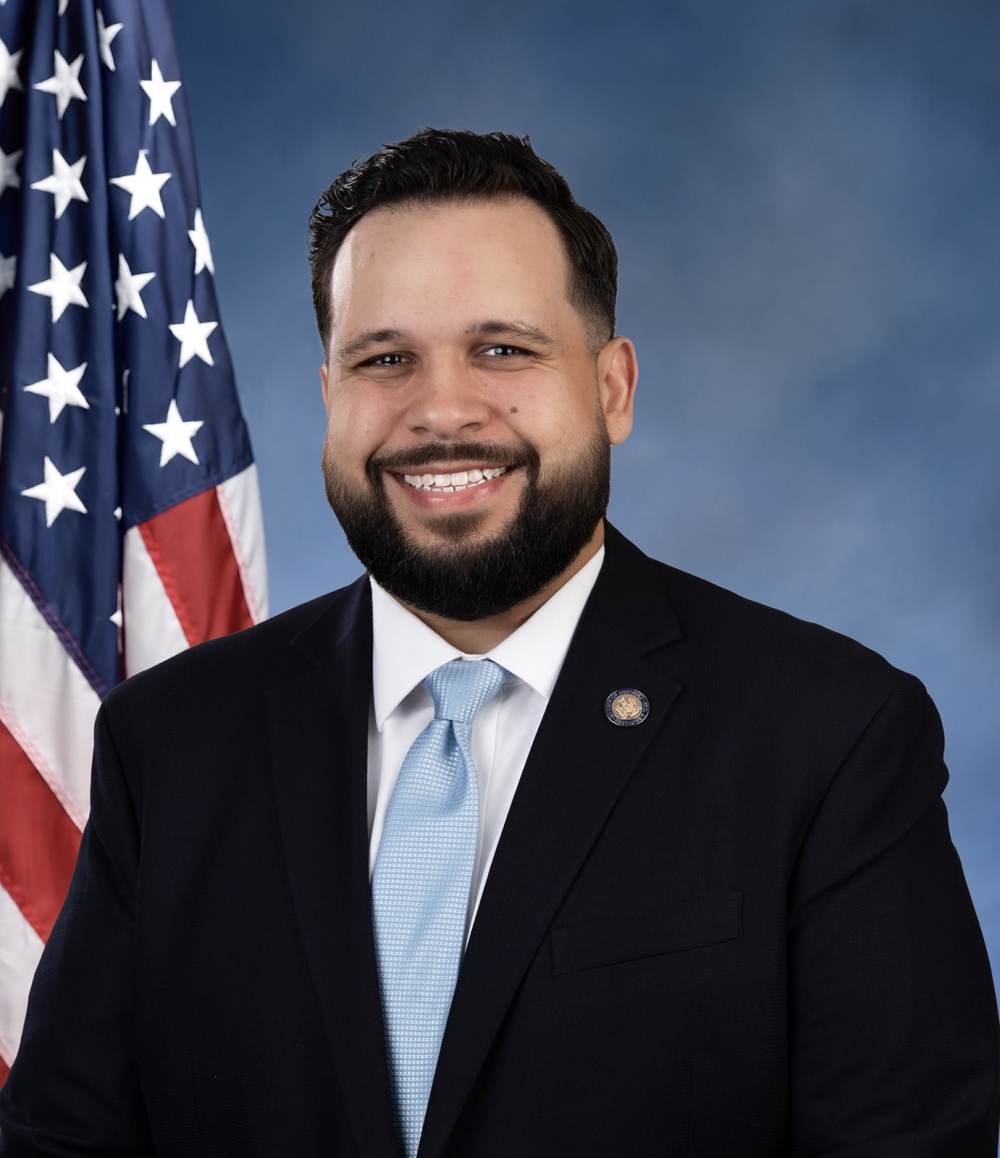
Asm. John Zaccaro
Sponsored bills
Enacts the "faith-based affordable housing act" for development on residential land; defines terms; provides that each village, town, and city shall allow the construction and occupation of residential buildings on any covered site up to the specified densities; provides that all residential buildings constructed pursuant to this section in a town, village, or city with fewer than one million inhabitants shall set aside twenty percent of the residential floor area for households earning an average of eighty percent of area median income; outlines the densities for New York city; makes related provisions.
Establishes a bicycle and electric scooter operator's safety manual; provides for the issuance of a license for residents who successfully read and comprehend the operator's safety manual; requires residents who operate an electric scooter in New York City to have a license to operate such devices; requires instruction in electric scooter safety as part of the drivers pre-licensing course; requires liability insurance for electric scooters in cities having a population of one million or more; prohibits the sale of an electric scooter to a purchaser unless the purchaser has a license to operate the electric scooter and has insurance in a city having a population of one million or more.
Maddy summaryThis bill changes New York's parole process by requiring the state board of parole to consider specific factors before granting release. It mandates evaluation of rehabilitation efforts (like programs, therapy, and work assignments), release plans (including housing, jobs, and support services), and deportation status, while prohibiting decisions based mainly on victim statements or prior criminal records. Parole denials must include detailed written explanations, and the board must report quarterly to lawmakers with demographic data on denied cases (excluding individual identities). These changes aim to standardize parole decisions and increase transparency.
Requires entities which operate a system of shared electric bicycles or scooters to impose penalties for failure of an operator or borrower to return a shared electric scooter or bicycle to a proper location.
Maddy summaryThis bill creates a new licensing requirement for organizations that manage payments for personal care services (fiscal intermediaries), effective April 1, 2027. It requires these entities to apply for a license, submit annual reports on costs and service details, and register personal assistants in a confidential state registry. The law directly affects fiscal intermediaries currently contracting with social services departments or health plans, mandating they meet specific standards for compliance, cultural competency, and financial reporting. It repeals outdated provisions while establishing new oversight mechanisms to ensure transparency in how funds for personal care services are managed.
Maddy summaryThis bill makes it a felony to intentionally create and share manipulated media (like deepfakes) that appears real and harms an identifiable person without their consent, with the intent to cause emotional, financial, or physical harm. It specifically targets fabricated photos, videos, or audio created using AI or editing tools that look authentic but depict false scenarios. Exceptions include news reporting, artistic expression, law enforcement use, and platforms sharing content they didn’t create. The law defines "fabricated" as media indistinguishable from reality that’s altered or entirely artificial, and classifies violations as a class E felony.
Maddy summaryThis bill amends New York's penal law to increase penalties for sex trafficking. It upgrades sex trafficking (for adults) and sex trafficking of a child from a class B felony to a class A-II felony under sections 230.34 and 230.34-a, respectively. These changes directly affect individuals convicted of these offenses, resulting in harsher sentencing. The bill makes no other policy changes and focuses solely on elevating the felony classification for these crimes.
Maddy summaryThis bill requires all professionals who apply fire-resistant materials (such as spray-on protective coatings for building structures) to complete state-approved training and obtain certification. The state fire administrator must create a training program with specific course requirements and certification standards, and applicators must complete this before working. Untrained individuals applying these materials face fines of up to $250 per violation. The bill directly affects construction workers, contractors, and fire safety professionals who install fire-resistant coatings.
Prohibits local, state and federal law enforcement officers from wearing any mask or personal disguise while interacting with the public in the performance of their duties; excludes certain protective masks.