

Maddy summaryThis bill establishes a New York State Federal Relations Office in Washington, DC, to coordinate state-federal efforts. The office will facilitate collaboration between New York officials, advocate for federal resources, and support initiatives impacting New York residents. It appropriates $300,000 in state funds for the office’s operations, including staffing and activities. The office will begin functioning immediately upon enactment.
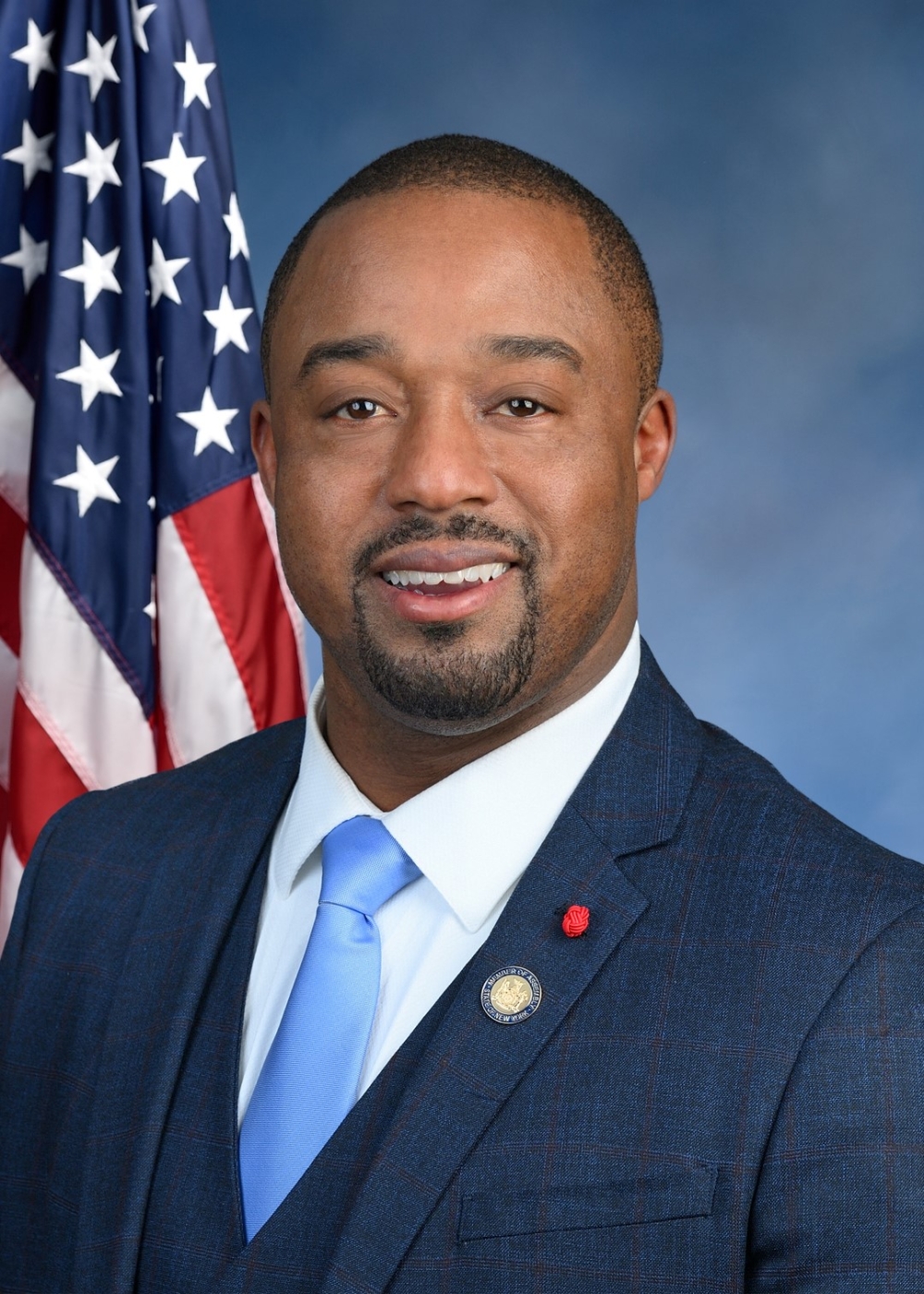
Asm. Landon Dais
Sponsored bills
Authorizes certain persons confined in institutions operated by the department of corrections and community supervision to apply for a sentence reduction.
Creates an affordable housing insurance relief fund program to provide grants to eligible projects for reasonable and necessary commercial insurance expenses.
Establishes a Black youth suicide prevention task force to study the current mental health practices and suicide prevention of Black youth age 5 through 18 years and make recommendations therefor; provides for the number of members, manner of appointment and the topics to be reviewed.
Requires the triborough bridge authority to establish a cashless tolling amnesty program; requires the metropolitan transportation authority to post their fee waiver policy on their website.
Establishes the Artificial Intelligence Literacy Act which establishes an artificial intelligence literacy in the digital equity competitive grant program.
Relates to off premise retail license holders; increases the number of licenses authorized under section 63 of the alcoholic beverage control law from one to two licenses.
Relates to parole eligibility for certain incarcerated persons age fifty-five or older if they have served at least fifteen years of their sentence or sentences.
Relates to the provision of financial assistance to museums, zoos, botanical gardens, aquariums and other cultural institutions located in low-income urban, suburban or rural communities, or that provide educational services to students from such communities.
Maddy summaryThis bill prohibits involuntary servitude and forced labor in all New York state and local correctional facilities, directly affecting incarcerated individuals. It amends the Civil Rights Law to explicitly ban slavery, involuntary servitude, and forced labor for all people in New York - including those convicted of crimes - and adds a new Correction Law section prohibiting any labor compelled through force, threats, or adverse actions (like disciplinary measures). The law makes it illegal for facilities to require labor against an individual's will using coercion or fear of punishment. This represents a concrete legal change to end forced labor practices within New York's prison system.