

Repeals managed long term care provisions for Medicaid recipients; establishes provisions for fully integrated plans for long term care including PACE and MAP plans.
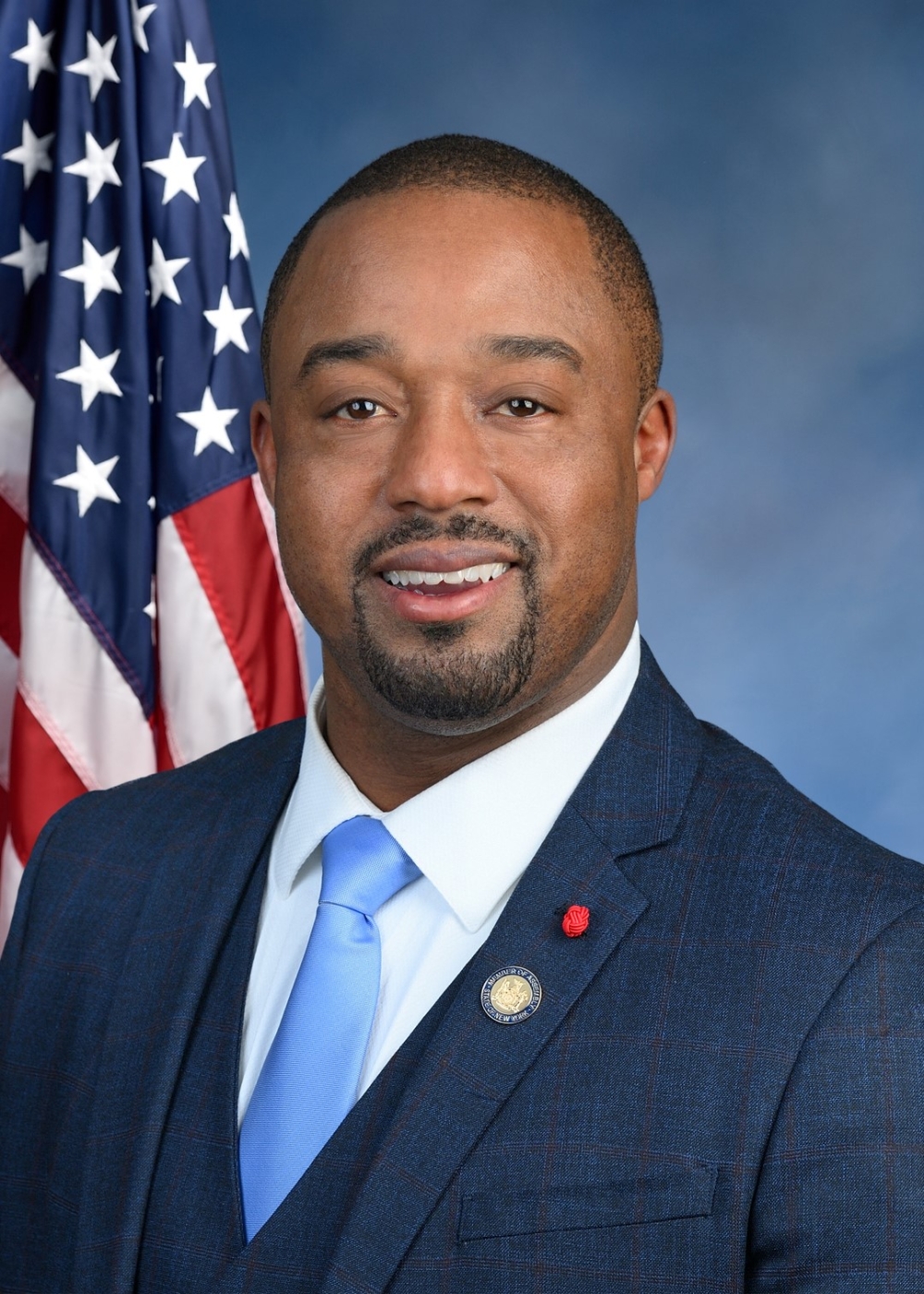
Asm. Landon Dais
Sponsored bills
Maddy summaryThis bill changes the date of the state's presidential primary election to the first Tuesday in March (instead of the current June date). It directly affects how presidential delegates are selected for the national convention, as the primary will now occur earlier in the election cycle. The key provision amends election law to specify that the "spring primary" for delegate selection must be held on the first Tuesday in March, unless changed by future legislation. This is a procedural change to the election calendar with no other policy implications.
Maddy summaryThis bill updates rules for when construction projects must pay local prevailing wages. It applies to projects using at least 20% public funds (or $3 million/$5 million in public funds) for construction costs. Exemptions include single-family homes, small nonprofits, and certain affordable housing developments meeting specific affordability requirements. This affects contractors and developers working on qualifying projects funded in part by public money.
Maddy summaryThis bill increases minimum daily pay for New York City election workers. Election inspectors will receive at least $300 per day, and coordinators at least $350 per day. These rates apply specifically to NYC elections and replace prior minimums, with the city, not counties, responsible for funding. The change directly affects election inspectors and coordinators who serve during registration and election days in New York City.
Establishes the advanced coursework expansion incentive grant program to school districts who offer advanced courses to economically disadvantaged students.
Maddy summaryThis bill adds a non-voting representative from the Division of Service-Disabled Veterans' Business Development to the State Cannabis Advisory Board. The member will serve alongside existing non-voting department representatives (like the Department of Environmental Conservation and Office of Children and Family Services) without voting rights. The change modifies the board's composition to include this specific veteran business development division as an ex-officio member, with no compensation provided for the role. The bill does not alter the board's voting structure or decision-making processes.
Maddy summaryThis bill creates a new license allowing supermarkets meeting specific size and sales criteria to sell wine in sealed containers (like bottles or cans) for off-premises consumption. To qualify, a store must primarily sell food (over 65% of revenue) and be at least 4,000 square feet, with a $10,000 franchise fee required. Licenses cannot be granted within 200 feet of schools/churches or 500 feet of liquor stores. Local governments can set time/place rules but cannot block licenses that meet these state standards.
Moves from the Office of Court Administration (OCA) to the Division of Criminal Justice Services (DCJS) responsibility for certifying, establishing and implementing standards for pretrial services agencies of the state.
Maddy summaryThis bill removes a lifetime ban preventing people convicted of felonies from serving on juries. It amends state law to no longer disqualify individuals based on past felony convictions, meaning former felons could be summoned for jury duty. However, it maintains that people currently incarcerated for felonies remain excused from service while in prison. The law would take effect 180 days after enactment.
Maddy summaryBill A 7308 establishes a tax credit for producers of sustainable aviation fuel (SAF) sold in the state for flights departing within the state. Starting January 1, 2025, producers can claim $1 per gallon, increasing by two cents for each additional one percent reduction in carbon dioxide emissions above 50%, up to a maximum of $2 per gallon. To be eligible, producers must obtain a certificate from the New York State Energy Research and Development Authority (NYSERDA). The bill defines SAF as liquid fuel derived from renewable or waste sources, excluding palm or petroleum, that achieves at least a 50% lifecycle greenhouse gas emission reduction. The total amount of tax credits issued annually is capped at $30 million, and any credit exceeding a taxpayer's liability will be refunded.