Assesses a 100% tax on distributions from the federal anti-weaponization fund; provides that such tax shall not be reduced pursuant to any deduction, exemption or credit.
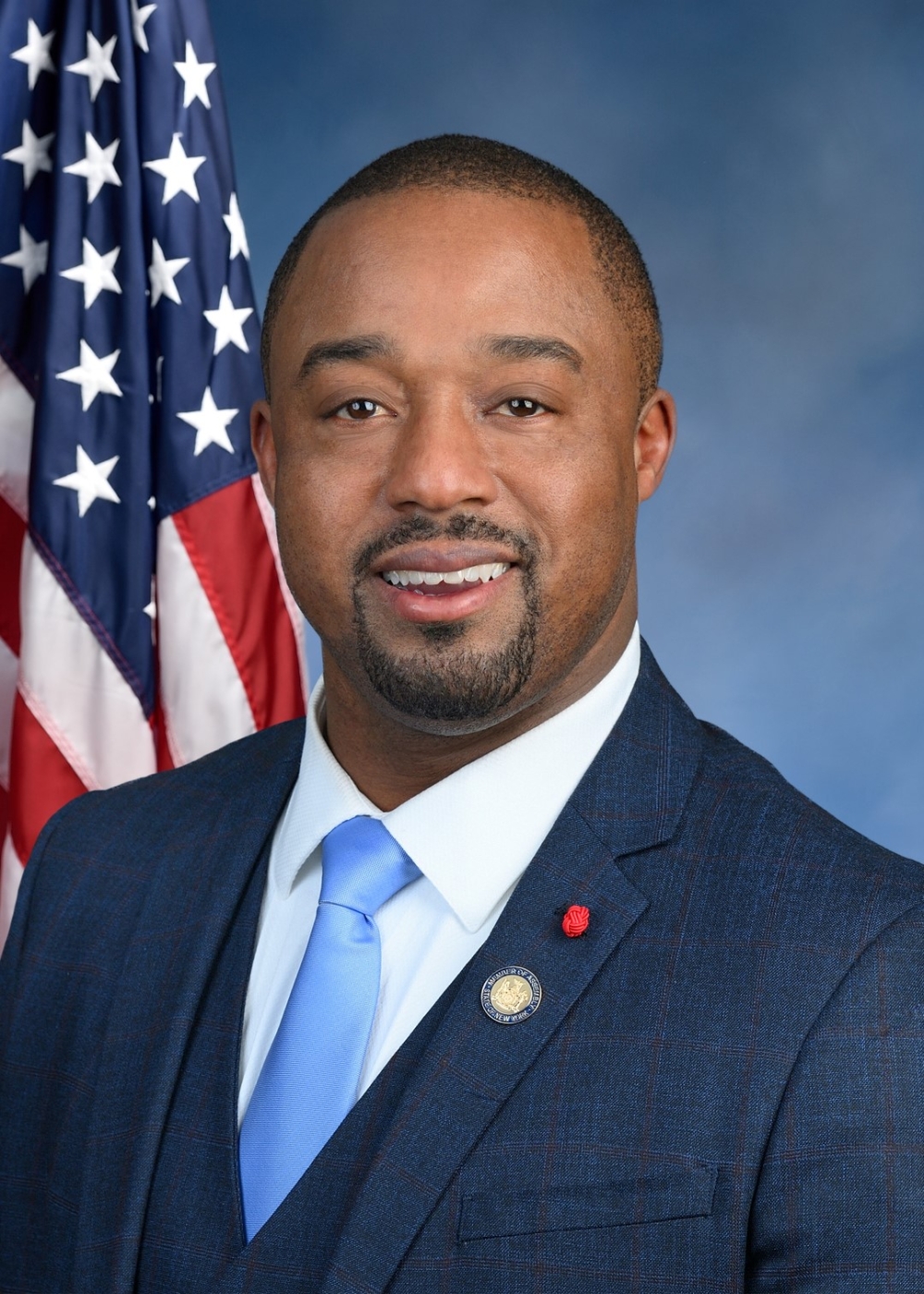
Asm. Landon Dais
Sponsored bills
Requires the division for small-business to publish a small business compliance guide and post such guide to the division for small-business's website.
Requires all authorities having jurisdiction over a population exceeding five thousand residents to adopt a residential automated solar permitting platform by June thirtieth, two thousand twenty-seven.
Maddy summaryThis bill sets new requirements for who can supervise mental health counselors and marriage and family therapists in New York. It specifies that supervisors must have at least three years of active licensure, diagnostic privileges, and 36 hours of specialized training in supervision ethics. The bill also clarifies that supervised experience gained under certain department waivers - such as in settings operating under temporary authorization - can count toward licensing requirements. These changes apply directly to professionals seeking licensure and those providing supervision in the mental health counseling field.
Maddy summaryThis bill establishes New York's First Home Savings Program, creating tax-advantaged savings accounts for first-time home buyers. It directly affects New York residents who have never owned a primary residence (including those with mobile homes but excluding those who claimed home tax deductions), allowing them to save for purchasing a home in the state. Key provisions include tax incentives under state law, strict rules defining "first-time buyer" status, and requirements that funds be used only for qualified home purchases (houses, condos, or co-ops) within New York as a primary residence. Withdrawals for non-qualified purposes face penalties, while exceptions exist for death, emergencies, or military service. The program is managed by the state comptroller and requires accounts to be held at approved financial institutions.
Maddy summaryThis bill (A 9571) increases family leave benefits under New York's workers' compensation law, directly affecting eligible employees taking leave for medical care, bonding with a newborn, or military family exigencies. It gradually raises weekly benefit percentages (from 50% to 67% of average weekly wage) and extends maximum leave duration (from 8 to 12 weeks) over time, with specific phased-in dates starting in 2018. Covered employers must provide these enhanced benefits while maintaining health insurance coverage during leave. The changes apply to employees meeting eligibility criteria under the law, with the Superintendent of Financial Services retaining limited authority to delay increases.
Maddy summaryBill A 2619 establishes specific rights for residents and cooperatives in ground lease residential cooperative apartment buildings. Upon the expiration of a ground lease, the cooperative must dissolve, and residents are converted to tenants, with rental leases offered under existing tenant protection laws. The bill also allows cooperatives to encumber their interest in the ground lease, requiring ground lease owners to provide reasonable cause for refusal if consent is needed. Additionally, it grants ground lease residential cooperatives a right of first refusal to purchase the ground lease real property if the owner decides to sell it.
Maddy summaryThis bill eliminates mandatory minimum prison sentences for certain offenses, replacing them with judicial discretion to determine appropriate sentences based on individual circumstances. It requires courts to provide written explanations for sentencing decisions and mandates that pre-sentence reports include analysis of incarceration costs to the state. Defendants gain expanded access to pre-sentence reports used in sentencing decisions, and judges must consider rehabilitation and community safety goals rather than fixed minimum terms. The law applies to felony sentencing under New York's penal and criminal procedure laws, directly affecting judges, defendants, and the state correctional system.

Restricts the performance of surgical devocalization procedures on dogs and cats; prohibited for reasons of convenience in keeping or handling a dog or cat.
Prohibits the use of intoxication of the victim as a defense in sex crimes where the victim is under the influence of any drug, intoxicant, or other substance to a degree which rendered the victim temporarily incapable of appraising or controlling such person's conduct and such condition was known or reasonably should have been known to a person in the actor's situation.