

Repeals certain provisions regarding the adoption of a new or revised city charter proposed by a charter commission which limits the submission of questions to a city's qualified electors; eliminates the rule that provides that whenever a city charter commission puts a proposal on the local ballot, all other local referendum proposals are barred from the ballot.
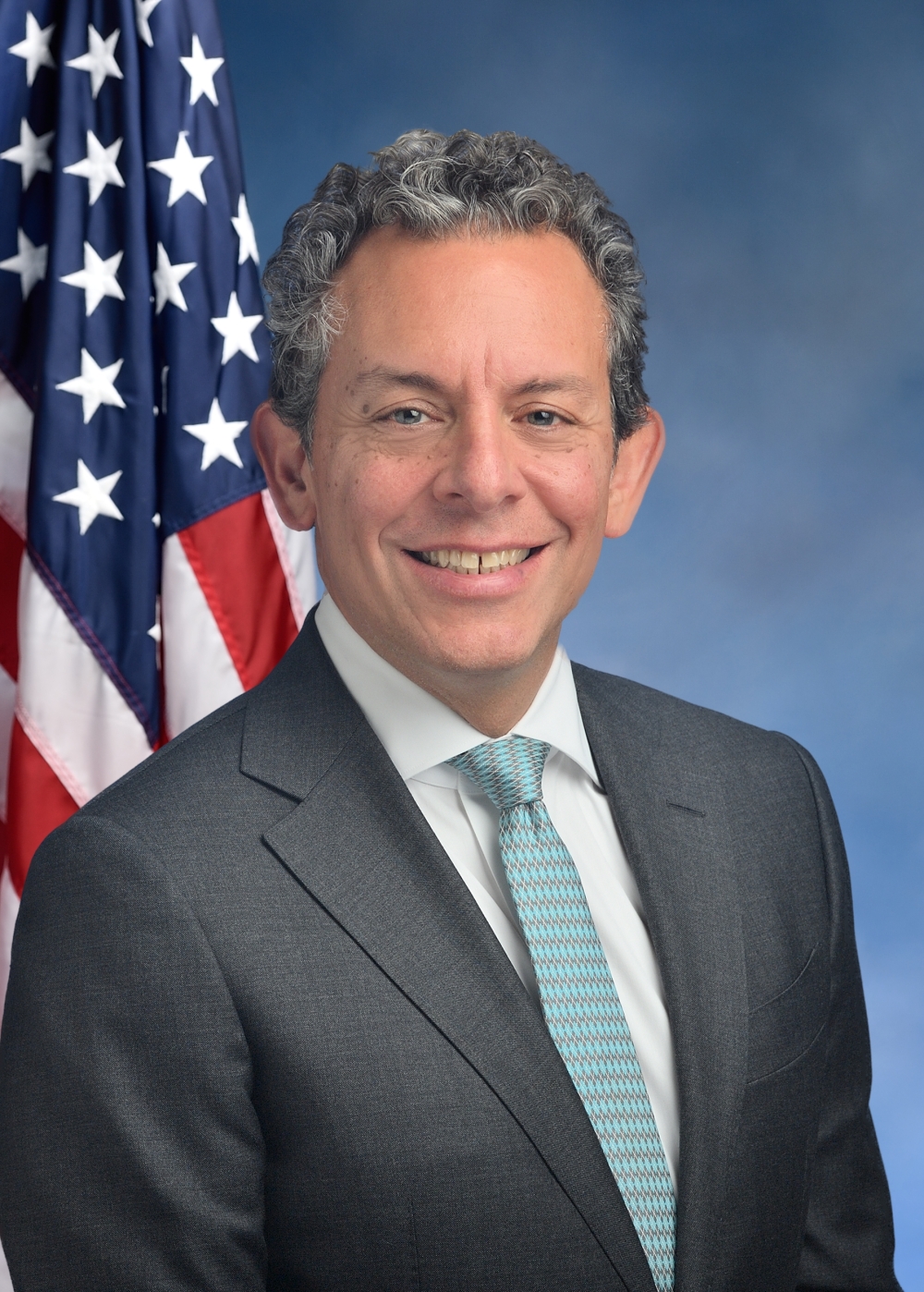
Asm. Tony Simone
Sponsored bills
Maddy summaryBill A 1223 sets specific filing deadlines for designating petitions (used by candidates to appear on primary election ballots) for the 2026 primary election cycle. It requires these petitions to be filed between the 13th Monday before and 12th Monday before the primary, and invalidates signatures made earlier than 41 days before the filing deadline or later than the 12th Thursday before the primary. The bill applies directly to candidates and petition organizers preparing for the 2026 primary elections. It is temporary, taking effect January 1, 2026, and automatically expiring December 31, 2026, after which the previous filing rules would resume.
Enacts the "New York open water data act"; directs certain agencies, under the leadership of conveners, to identify and integrate key water data sets; provides duties and an annual plan for data to be researched and reported.
Requires that health insurance policies shall provide coverage for follow-up screening or diagnostic services for lung cancer; provides that no patient cost sharing shall be imposed for follow-up screening or diagnostic services for lung cancer.
Maddy summaryThis bill requires most health insurance plans in New York to cover one rescue inhaler and one maintenance inhaler for asthma treatment at no cost to the patient. It applies to all medical, major medical, and comprehensive health insurance policies that cover prescription drugs, directly affecting asthma patients who rely on these medications. Insurers must provide this coverage without deductibles, copayments, or other cost-sharing, with a narrow exception only for high-deductible plans that would otherwise disqualify patients from health savings accounts. The law takes effect January 1, 2027, for all new or renewed policies.
Requires each public body to live stream and post video recordings of all open meetings and public hearings; requires each public body to post such recordings for a period of not less than five years.
Maddy summaryThis bill adds a new option for New York residents to register for the Donate Life Registry (which facilitates organ, eye, and tissue donations) through mandatory electronic personal income tax filings. It requires the state to include a clear checkbox on tax forms asking, "Would you like to be added to the Donate Life Registry? Check box for 'yes' or 'skip this question'." This expands existing registration methods - which include driver's license applications, health insurance enrollment, and college financial aid forms - to include tax filings for those required to file electronically. The change applies to all taxpayers submitting income tax documents via electronic means, making organ donation registration more accessible during routine state interactions.
Maddy summaryThis bill extends tax exemptions for mutual redevelopment companies in cities with over one million residents. It allows local governments to grant an additional 50-year tax exemption period after the initial maximum period ends, provided the company pays at least 5% of annual rent (minus utilities) for residential units or the taxes paid in 2001 - whichever is lower. The exemption applies specifically to residential portions of redevelopment projects. This change directly affects mutual redevelopment companies operating in large cities like New York City, altering their long-term tax obligations.
Establishes the New York road salt reduction council and the New York road salt reduction advisory committee to provide a mechanism for interagency cooperation and coordination to implement the recommendations of the report of the Adirondack road salt reduction task force.
Maddy summaryThis bill repeals New York's election law (Section 17-140) that previously criminalized offering small-value items - like free coffee, pens, or snacks - to encourage people to vote at polling places. It directly affects voters and election organizers by removing criminal penalties for providing these nominal incentives. The key change is eliminating the legal prohibition on such low-cost, non-monetary enticements to boost voter turnout. The bill was signed into law on June 21, 2025, after passing both legislative chambers.