

Relates to liability to support a child who is placed in foster care pursuant to an approved application for foster care maintenance; provides that such liability shall not be imposed if it will adversely affect the health, safety or welfare of the child on whose behalf such payments are to be made or other persons in the child's household or will adversely affect the length of the child's placement or impair the ability of the child to return home when discharged from foster care; limits the ability of a county or local social services district to cause a referral to be sent for the purpose of commencing collection of child support for a child placed in foster care.
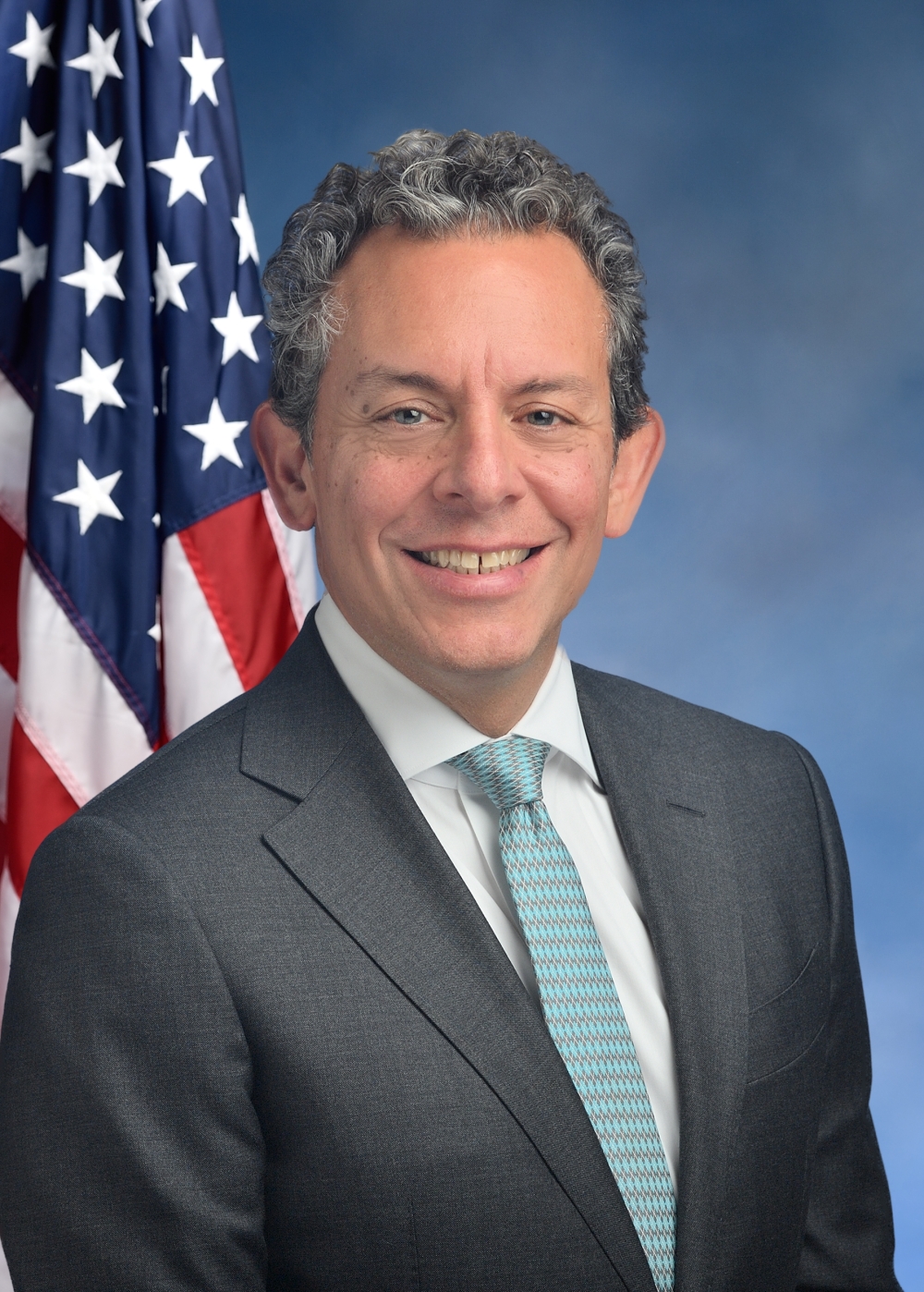
Asm. Tony Simone
Sponsored bills
Requires all insurance policies and health maintenance organization contracts to provide coverage for maternity patients and their newborns for hospital stays of at least 48 hours following childbirth by natural delivery and 96 hours following childbirth by caesarean section; provides such coverage for patients who are recipients of medicaid.
Provides for a working families tax credit; directs quarterly prepayment of the credit; provides for a sliding reduction in the credit for incomes which exceed a certain threshold.
Enhances and enacts provisions relating to criminalizing the promotion of animal fighting and appropriately punishing individuals associated with such activities.
Establishes the New York Health program, a comprehensive system of access to health insurance for New York state residents; provides for administrative structure of the plan; provides for powers and duties of the board of trustees, the scope of benefits, payment methodologies and care coordination; establishes the New York Health Trust Fund which would hold monies from a variety of sources to be used solely to finance the plan; enacts provisions relating to financing of New York Health, including a payroll assessment, similar to the Medicare tax; establishes a temporary commission on implementation of the plan; provides for collective negotiations by health care providers with New York Health.
Relates to the use of injurious physical force by public servants; directs the commissioner of criminal justice services and the commissioner of health to prescribe standards for the use of physical force and for devices and substances used in the exercise of physical force.
Maddy summaryThis bill significantly expands eligibility for judicial diversion programs, allowing individuals charged with a broader range of offenses to participate if they have a "qualifying diagnosis." This diagnosis includes serious mental disorders, other mental health disorders causing severe functional impairment, or substance use disorders. While most Class A felonies and Class B sexual offenses are generally excluded, the bill establishes a new "diversion part" in each county. It also redefines "treatment" within these programs to include evidence-based interventions outside of carceral settings.
Establishes a program for specific individuals to become complex care assistants and provide private duty nursing services to certain Medicaid enrollees.
Maddy summaryThis bill amends New York's election law to establish rules for designating polling places. It prohibits public school buildings from being used as polling locations (including for "early voting" as referenced in the text) and requires election boards to prioritize public buildings when selecting sites. The bill also allows religious organizations to host polling places without requiring Saturday voter registration if it conflicts with their religious practices, and mandates accessible spaces for disabled voters in designated locations. These changes affect local election boards, municipalities, and polling place operators by standardizing site selection and accessibility requirements.
Maddy summaryThis bill clarifies that medical marijuana, when dispensed under New York's medical marijuana program, must be treated as a "prescription drug" for coverage purposes under specific state programs, including Medicaid (title eleven of social services law), workers' compensation, and elder care programs. It requires these state-run programs to cover medical marijuana but explicitly states it does not mandate coverage by private insurers or health plans. The bill also adds a certification process for dispensaries to be recognized as medical assistance providers under state law. It applies to state programs only, not private insurance, and does not create new coverage requirements beyond the specified state-run systems.