

Maddy summaryThis bill adds "caste" to New York's existing anti-discrimination protections in employment, housing, and public accommodations. It defines "caste" as a hereditary social hierarchy based on birth that restricts opportunities, and prohibits discrimination against individuals because of their caste in hiring, housing, and public services. The law amends existing sections of the executive law to explicitly include caste alongside other protected characteristics like race, gender, and disability. It directly affects people in New York who experience caste-based discrimination in workplaces, housing, or public spaces. The key mechanism is updating anti-discrimination statutes to include caste as a protected category, making such discrimination unlawful under current enforcement frameworks.
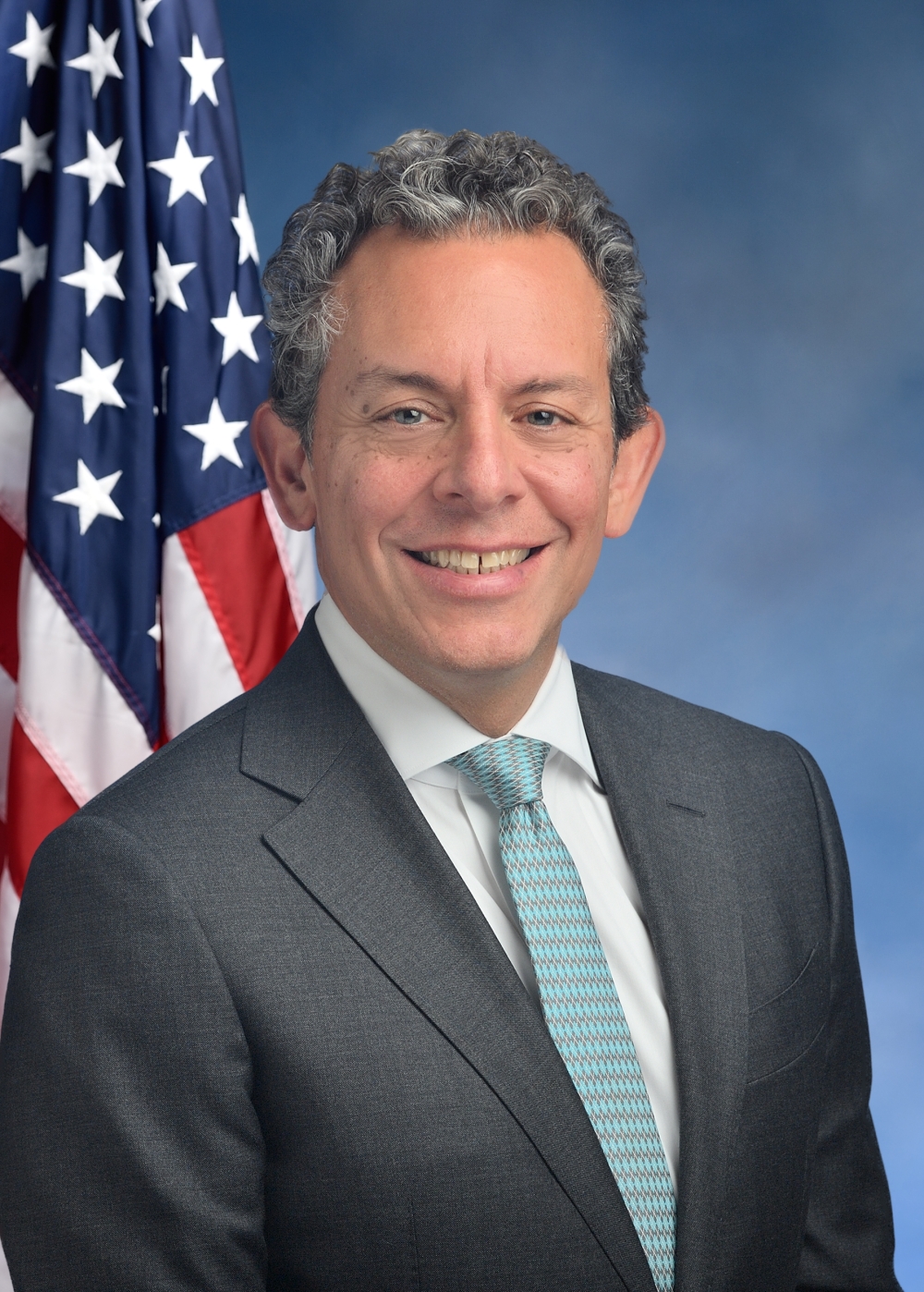
Asm. Tony Simone
Sponsored bills
Provides that in cities with a population of one million or more, a tenant or group of tenants, after proper notice to the landlord of the existence of a hazardous violation of housing codes and certification of the existence of such violation by the local agency charged with enforcement of housing codes, may contract for the repair of such condition and offset the price of such repair from their rental payments if the landlord fails to commence work to correct the condition within a certain period after notice is received.
Establishes the foster care higher education scholarship pilot program; grants awards for the purpose of enhancing opportunities for higher education for children and young adults receiving foster care services in New York.
Maddy summaryThis bill prohibits specific practices in New York rodeos, including calf roping, using flank straps or bucking straps on animals, electric prods, and spurs with fixed/sharpened rowels. It directly affects rodeo operators, performers, and venues hosting rodeos in New York. Violations carry civil penalties up to $10,000 per offense, potential license revocation, and loss of state tax abatements for hosting venues. The law takes effect 30 days after enactment.
Relates to modular construction work; provides that modular construction shall comply with any existing municipal licensing requirements for all electrical, plumbing, and fire suppression work.
Enacts the "Customer Savings and Reliability Act" in relation to regional affordable gas transition plans to guide an orderly, affordable, and equitable right-sizing of the utility gas system in a manner that aligns with climate justice and emissions reduction provisions.
Maddy summaryThis bill requires certain public water systems (serving at least 15 year-round residents or 25 regularly) to identify lead service lines connecting water mains to properties. It defines "lead service line" broadly, including galvanized pipes downstream of lead lines or where lead connectors are used. Water systems must obtain property owner or occupant consent for free inspections, with a 30-day response window; if consent isn't received, occupants may provide consent. Inspections must occur within 60 days of consent, focusing solely on identification, not removal, of lead service lines.
Relates to the disposition of campaign funds raised by an elected official who has been convicted of a crime committed while in public office or has been impeached and has been convicted, or has resigned public office following findings by either the attorney general or a committee of the legislature that the official has violated the law.
Eliminates provisions exempting employees with disabilities from the minimum wage law; provides that laws or minimum wage orders that authorize an employer to pay a wage that is less than the minimum wage are valid provided that under such laws or orders an employee with a disability is paid the same wage as an employee in a comparable position that does not have a disability.
Maddy summaryThis bill requires New York state schools to implement culturally responsive education for lesbian, gay, bisexual, and transgender (LGBTQ+) students. It mandates all public and private K-12 schools to integrate LGBTQ+ inclusive curriculum across all grade levels, including lessons on historical oppression and inequity. The bill also creates a graduation requirement for high school students to complete a course meeting these standards, adds a college course requirement for teacher certification, and requires ongoing teacher training on LGBTQ+ competency. Implementation will be guided by commissioner-developed rules, model curricula, and a school climate assessment tool.