

Maddy summaryThis bill amends education law to require school districts in cities with at least one million inhabitants to include specific provisions in their school transportation contracts. These provisions mandate the retention or preferential hiring of school bus workers, such as operators, mechanics, dispatchers, and attendants. It also ensures the preservation of their wages, health, welfare, retirement benefits, and seniority when they are hired under these new contract terms. This applies to workers who become unemployed or furloughed due to changes in these transportation contracts.
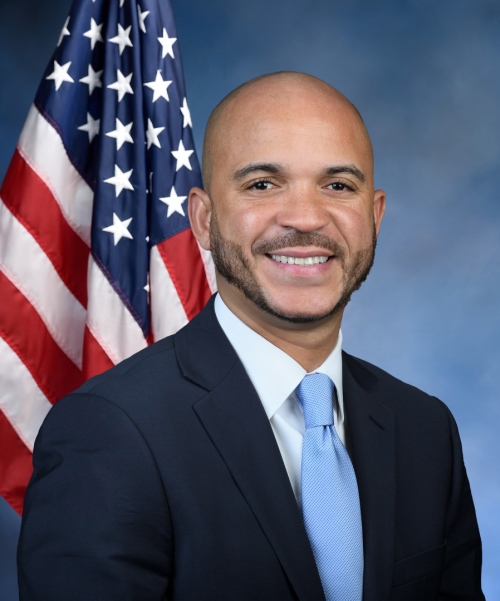
Asm. Manny De Los Santos
Sponsored bills
Enacts the "New York state agency BIPOC asset management and financial institution strategy act" to ensure the promotion of equity, diversity, and inclusion within the state pension system and the New York city pension system's investments by mandating a minimum allocation of assets to BIPOC asset managers, BIPOC financial institutions, and BIPOC financial or professional service firms; addresses disparities in investment opportunities and fosters economic growth within BIPOC communities, aligning with best practices in investment management and bolstering the financial well-being of New York City and state and residents thereof (Part A); relates to fair investment practices by investment advisers within the state of New York (Part B).
Establishes the New York State social housing development authority as a public benefit corporation to increase the supply of permanently affordable housing in the state through the acquisition of land and renovation or rehabilitation of existing real property, and through the construction of new, permanently affordable housing.
Enacts the "Empowering People in Rights Enforcement (EMPIRE) Worker Protection Act"; relates to the delegation of state enforcement authority to private actors; authorizes an affected employee, whistleblower, representative organization or an organizational deputy to initiate a public enforcement action on behalf of the commissioner for certain provisions of the labor law, or any regulation promulgated thereunder.
Maddy summaryThis bill updates how New York City and local municipalities can capture value from mass transportation projects, making transparency requirements permanent. It requires cities to publish two analyses before public hearings: property value projections showing increased tax revenue from projects, and transportation service benefits, both in machine-readable formats. Municipalities may then use specific value-capture methods like tax increment financing, special transportation assessments, or land value taxation to fund projects, with revenue limits tied to actual property benefits. The bill directly affects NYC and local governments contracting with the MTA to finance transportation capital projects benefiting specific districts.
Establishes in the city of New York a bicycle lane safety program to enforce certain restrictions on the use of bicycle lanes and/or protected bicycle lanes by means of bicycle lane photo devices.
Relates to access to educational activities by public assistance recipients who are subject to work participation requirements; allows homework expected or required by an educational institution to count towards satisfaction of the work activity requirements for public assistance benefits for participants engaged in certain educational or training activities.
Requires hospitals to establish a violence prevention program which includes a workplace safety and security assessment and develop a safety and security plan that addresses identified workplace violence threats or hazards.
Establishes a reproductive health services training and education grant program to train licensed providers and interns or residents who are employed by a hospital or otherwise enrolled in an accredited graduate medical education program in the performance of abortion and related reproductive health services; establishes the reproductive health training and education fund.
Provides representation to veterans that are at or below four hundred percent of the federal poverty guidelines for matters involving children, sustenance and real property proceedings.