

Establishes the small business crime prevention services program to provide small businesses with information on strategies, best practices and programs offering training and assistance in prevention of crimes in and around the premises of small businesses or otherwise affecting small businesses, including but not limited to: assault, arson and other violent felony offenses; robbery, burglary, theft, identity theft counterfeiting, check and credit card fraud and other fraud; and vandalism, graffiti and other property damage; provides that information on eligibility and applications for financial assistance be made available to small businesses; authorizes the New York state urban development corporation to provide loans, loan guarantees, interest subsidies and grants to small businesses, municipalities, not-for-profit corporations or other organizations for the purpose of preventing crimes against small businesses or on the premises or in the vicinity of small businesses; makes related provisions.
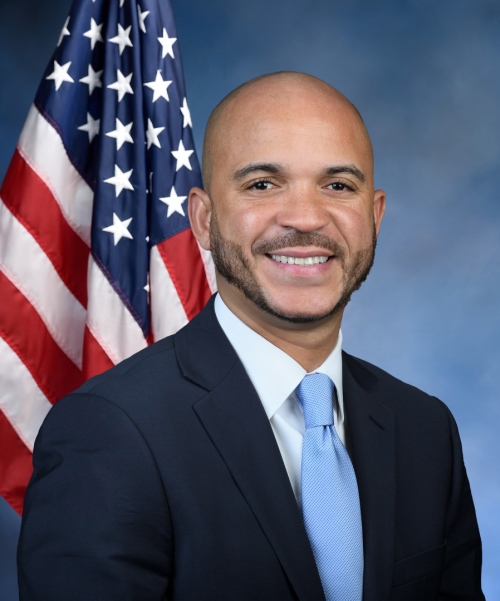
Asm. Manny De Los Santos
Sponsored bills
Maddy summaryThis bill increases the state's reimbursement rate for preventative child protective services from 65% to 75% for social services districts that provide eligible services. It directly affects districts delivering preventative care, foster care support, independent living services, aftercare, and adoption administration to children and families. The key change requires the state to cover 75% of eligible costs (excluding federal funds) for these services, as approved by oversight agencies. This adjustment aims to improve funding stability for critical child welfare programs without altering federal funding mechanisms.
Enacts the "fair pay for home care act" relating to minimum wages applicable to home care aides; provides for a minimum wage of 150% of the applicable statewide or regional minimum wage.
Enacts the "local, community and ethnic media commitment act"; requires state agencies to publish certain information in local, community and ethnic media; defines local, community and ethnic media; requires the office of general services to develop and maintain a list of local, community and ethnic media outlets.
Establishes protections for adults sixty years of age or older, or at least the age of eighteen and who, because of mental or physical impairments, are unable to manage their own resources or protect themselves from financial exploitation without assistance from others.
Maddy summaryThis bill creates a new policy allowing pay-per-ride Metrocard users to receive two automatic free transfers between subway and bus, or between buses owned by the authority, without additional cost. It directly affects Metrocard users who pay for individual rides, providing them with two transfers valid for two hours from the time their fare is paid. The policy requires separate state funding for implementation and cannot be paid from the authority's regular operating or capital budget. The bill does not change existing fare structures but adds this transfer benefit for eligible riders.
Enacts the "faith-based affordable housing act" for development on residential land; defines terms; provides that each village, town, and city shall allow the construction and occupation of residential buildings on any covered site up to the specified densities; provides that all residential buildings constructed pursuant to this section in a town, village, or city with fewer than one million inhabitants shall set aside twenty percent of the residential floor area for households earning an average of eighty percent of area median income; outlines the densities for New York city; makes related provisions.
Maddy summaryThis bill increases penalties for landlords who overcharge tenants in rent-regulated housing. If a landlord is found to have willfully overcharged, they must pay five times the overcharge amount (up from three times). Landlords can avoid the higher penalty by proving the overcharge was unintentional and not due to negligence, in which case they pay only the overcharge plus interest. The bill also clarifies that voluntary rent refunds after a complaint is filed cannot be used as evidence the overcharge was not willful.
Enacts the "forensic rehabilitation act" relating to the custody of individuals following a verdict or plea of not responsible by reason of mental disease or defect.
Maddy summaryThis bill changes New York's parole process by requiring the state board of parole to consider specific factors before granting release. It mandates evaluation of rehabilitation efforts (like programs, therapy, and work assignments), release plans (including housing, jobs, and support services), and deportation status, while prohibiting decisions based mainly on victim statements or prior criminal records. Parole denials must include detailed written explanations, and the board must report quarterly to lawmakers with demographic data on denied cases (excluding individual identities). These changes aim to standardize parole decisions and increase transparency.