

Maddy summaryThis bill, known as the Fashion Environmental Accountability Act, requires large fashion retailers to conduct standardized environmental due diligence on their supply chains and creates a remediation fund to address harms. It applies to businesses selling new clothing, shoes, or bags with over $100 million in annual revenue, excluding used clothing sellers and most multi-brand retailers. Companies must map their suppliers across four tiers, from raw material providers to finished goods manufacturers, and report on their efforts to prevent or mitigate environmental damage. The legislation mandates that these reports be independently verified and published using open data principles, while defining a "living wage" as a key standard for worker compensation.
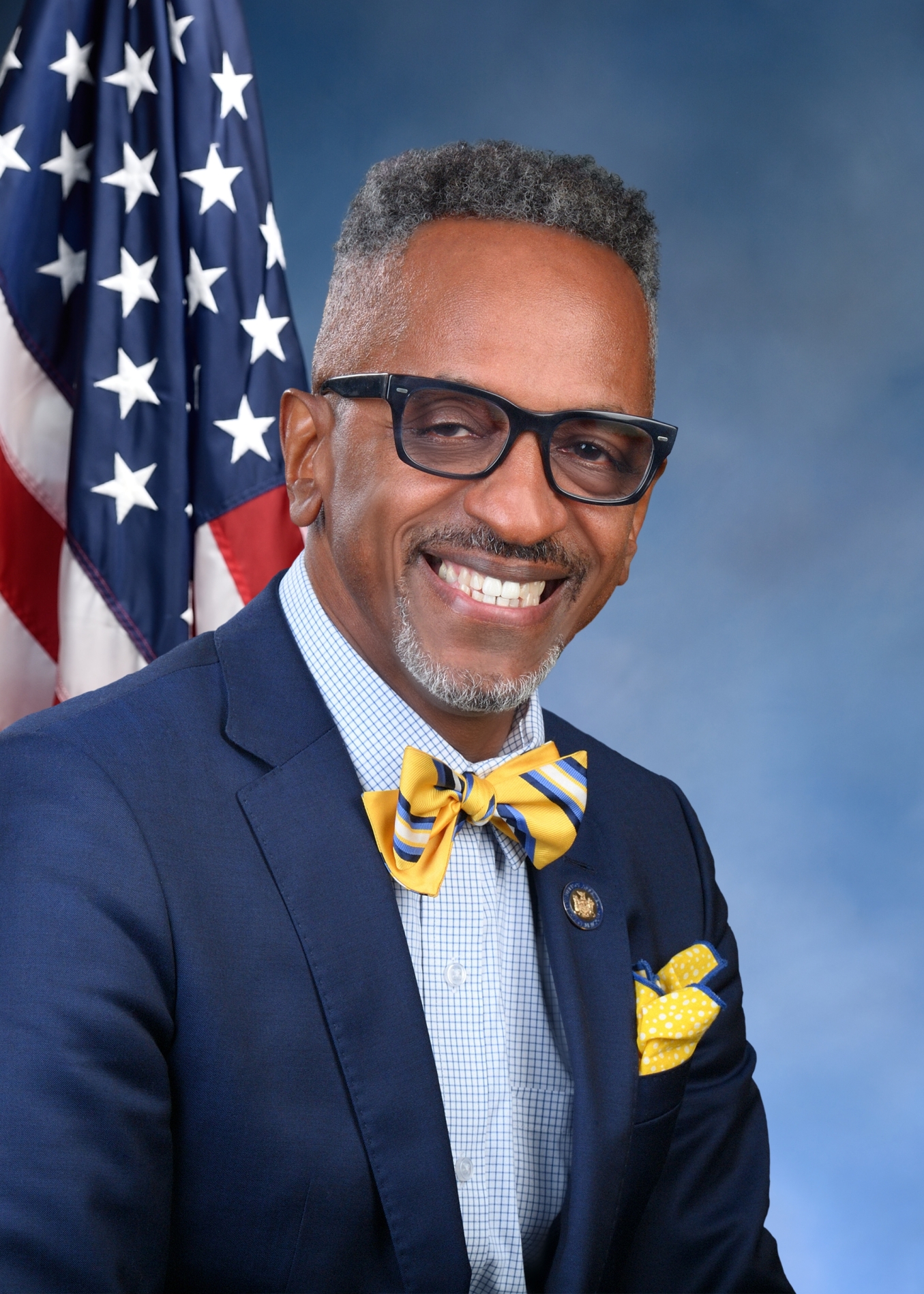
Asm. Al Taylor
Sponsored bills
Relates to rechargeable battery recycling; adds a battery used as the principal electric power source for an electric scooter or bicycle with electric assist to the definition of "rechargeable battery"; provides that a battery manufacturer may not sell, offer for sale, or distribute rechargeable batteries in the state unless the battery manufacturer is implementing or participating under an approved plan; allows a city with a population of one million or more to enforce through its own agencies.
Enacts the "packaging reduction and recycling infrastructure act" to require companies selling, offering for sale, or distributing packaging materials and products to register with a packaging reduction organization to develop a packaging reduction and recycling plan.
Maddy summaryThis bill proposes changing the state constitution to allow the legislature to adjust the number of Supreme Court justices in each judicial district based on population. Under the new rules, the number of justices could be increased if a district's population grows, with a limit of one justice for every fifty thousand people, or decreased if the population shrinks, provided the total does not fall below the current authorized number. The amendment also clarifies that judges from specific county courts in Brooklyn, Queens, and Staten Island would serve as Supreme Court justices within their respective districts. Because this change requires a constitutional amendment, the bill must be published for three months before the next general election and approved by voters.
Establishes the "New York state lead-safe renovation, repair and painting act"; establishes standards for lead-safe renovation, repair and painting of residential properties; requires documentation of compliance with such standards.
Maddy summaryThis bill requires consumer debt collectors to obtain a state license before collecting debts from individuals in New York. It establishes specific rules for obtaining a license, including the need to pay fees, post a surety bond, and maintain proper records. The legislation also sets out prohibited actions for collectors and outlines penalties for those who violate the new standards. Certain entities, such as banks, attorneys, and non-profit credit counseling agencies, are exempt from these licensing requirements.
Provides that an accusatory instrument or supporting deposition consisting of factual allegations by a deponent with limited English proficiency is not sufficient unless accompanied by a sworn statement from an interpreter affirming the accuracy of the English interpretation.
Relates to the determination of the status of an interim multiple dwelling unit as a protected occupant's primary residence by the loft board or a court of competent jurisdiction, or by registration of with the loft board; provides factors for consideration for such findings; restores certain landlord-tenant relationships severed prior to the effective date.
Maddy summaryThis bill expands the list of school safety activities eligible for funding under the state's omnibus school violence prevention grant program. It specifically authorizes money to support anti-violence education programs that offer trauma support, counseling, and empowerment activities for students affected by gun violence. To qualify for these funds, the programs must be run by nonprofit organizations, provide evidence-based services, and include clear goals and assessment methods to measure their effectiveness. The legislation also clarifies that any funded program cannot use firearms for training or demonstrations.
Prohibits the use of intoxication of the victim as a defense in sex crimes where the victim is under the influence of any drug, intoxicant, or other substance to a degree which rendered the victim temporarily incapable of appraising or controlling such person's conduct and such condition was known or reasonably should have been known to a person in the actor's situation.