

Requires health insurance policies include coverage for anesthesia for the entire duration of a procedure for which a licensed medical practitioner has issued an order for such anesthesia.
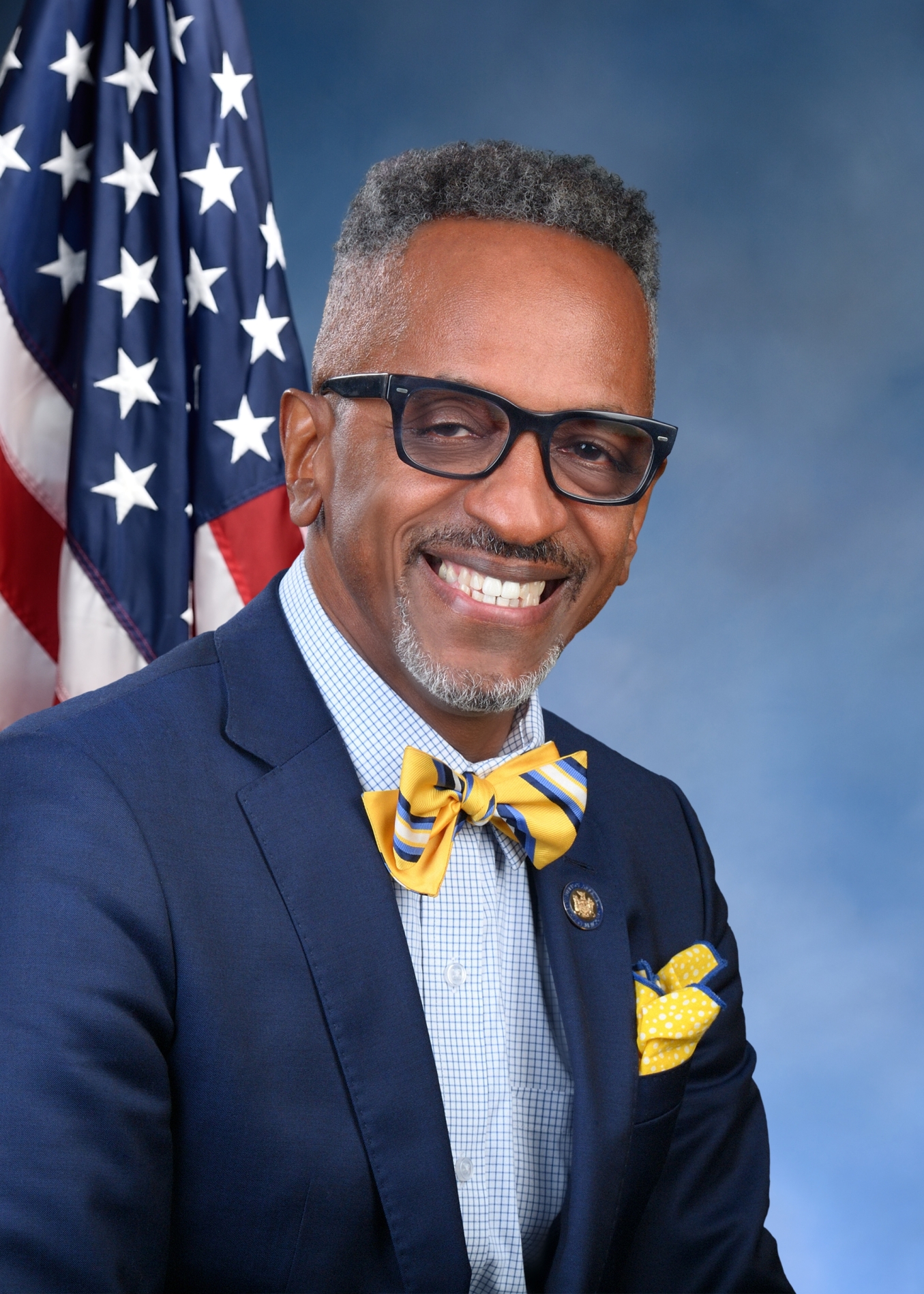
Asm. Al Taylor
Sponsored bills
Maddy summaryThis bill requires that batteries used in electric-assist bicycles and electric scooters must be tested and approved by specific accredited laboratories, such as Underwriters Laboratories or labs meeting international ISO/IEC standards. It mandates that these batteries display a certification seal from an approved lab, including those accredited under ISO/IEC 17025 or participating in the OSHA NRTL program. The law directly affects battery manufacturers and sellers of e-bikes and e-scooters, who must ensure compliance before selling or using these devices. The requirement takes effect immediately upon passage.
Maddy summaryThis bill sets a $250,000 maximum limit for public funds that local governments (cities, towns, counties) can deposit in savings banks, credit unions, or savings and loan associations. It directly affects municipal treasuries managing public money by restricting where and how much can be held in these institutions. The key provision, added to municipal law, explicitly caps deposits at $250,000 per institution to align with federal deposit insurance coverage. This amends existing rules to clarify deposit limits without creating new programs or altering broader municipal finance processes.
Maddy summaryThis bill changes how New York State funds pre-kindergarten programs outside New York City. It repeals the previous requirement for competitive selection of programs and instead guarantees funding sufficient to cover all qualifying programs in non-NYC regions. The key change ensures that every eligible pre-K program in these areas receives full funding based on need, rather than competing for limited slots. The bill also maintains the $300 million annual allocation specifically for New York City programs.
Maddy summaryThis bill changes New York's criminal procedure to automatically grant "youthful offender" status to eligible minors convicted of misdemeanors in local courts, provided they have no prior criminal convictions or youthful offender status. If these conditions are met, the court must classify them as youthful offenders at sentencing, preventing a permanent criminal record and limiting potential prison time to under four years. The law applies immediately to all future misdemeanor convictions meeting these criteria. It directly affects young people aged 16-20 (as defined by law) who commit minor offenses without prior legal history.
Requires applicants to the department of environmental conservation for permits to disclose information concerning other permits held and/or revoked, enforcement actions, criminal convictions, fees or fines owed, and other information relating to compliance by the applicant or any corporation of which they are an officer, director, or large stockholder with state, federal, or foreign environmental laws or regulations and certain other laws.
Maddy summaryThis bill designates August 31st of every year as "Overdose Awareness Day" in New York State. It adds this date to the existing list of official commemorative days in the executive law, alongside other observances like Juneteenth and Holocaust Remembrance Day. The bill does not create new policies, funding, or requirements - it simply establishes an annual day of remembrance focused on overdose prevention and awareness. This designation directly affects New York State residents and government entities, which may choose to recognize the day through official proclamations or events. The change takes effect immediately upon enactment.
Establishes the mandatory reporting by certain professional or official persons who come into contact with mentally or physically incapacitated persons who were abused including residents of assisted living and adult care facilities who may be abused, mistreated or neglected; provides reporting procedures and grants immunity for such reporting; provides criminal and civil penalties.
Requires that public schools provide instruction on climate change, including but not limited to identifying the causes and impacts of climate change on individuals, environments and communities, and learning to evaluate solutions.
Relates to unlawful dealing in real property, when a person uses material governmental information, which such person knows or has reason to know is non-public, to purchase or sell real property; makes such offense a class A misdemeanor.