

Maddy summaryThis bill requires restaurants to meet specific nutrition standards for meals, food, or beverages sold with incentive items (like toys, games, or digital rewards) targeted at children. Restaurants may only offer these incentives if the accompanying food meets standards set by the health commissioner, covering calories, sodium, fat, sugar, and requiring fruits, vegetables, or whole grains. Violations carry civil penalties of up to $2,500 for repeated offenses. The law directly affects all restaurants serving the public, including fast food and cafes, that distribute such items to children.
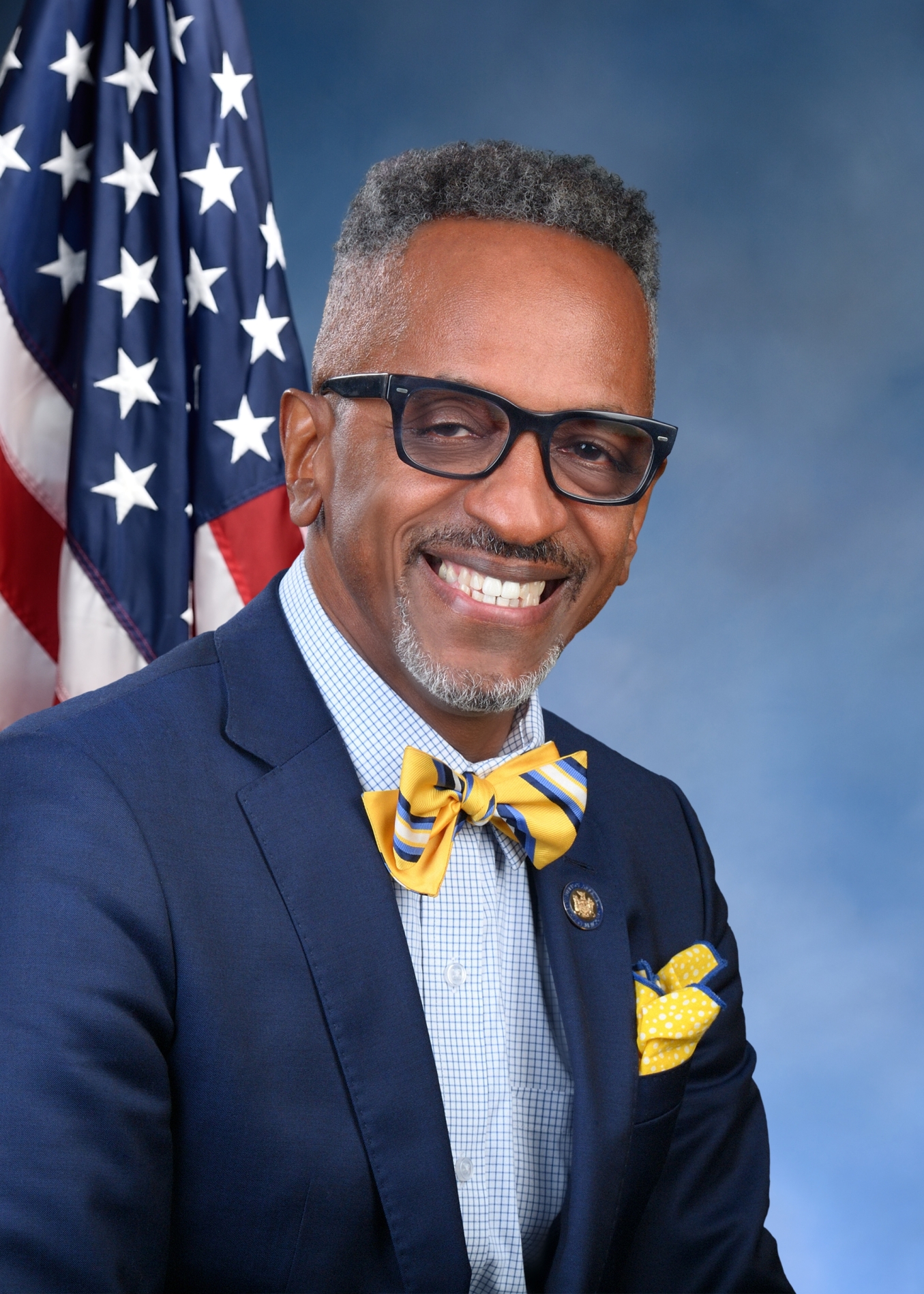
Asm. Al Taylor
Sponsored bills
Maddy summaryThis bill prohibits involuntary servitude and forced labor in all New York state and local correctional facilities, directly affecting incarcerated individuals. It amends the Civil Rights Law to explicitly ban slavery, involuntary servitude, and forced labor for all people in New York - including those convicted of crimes - and adds a new Correction Law section prohibiting any labor compelled through force, threats, or adverse actions (like disciplinary measures). The law makes it illegal for facilities to require labor against an individual's will using coercion or fear of punishment. This represents a concrete legal change to end forced labor practices within New York's prison system.
Provides that any officer terminated who was dismissed for malfeasance or serious misconduct or resigned or retired during an investigation relating to such malfeasance or serious misconduct shall not be entitled to receive any retirement or other benefit or payment of any kind.
Establishes the child and family well-being program and fund for the distribution of grants to eligible nonprofit community-based providers to respond to children's and families' needs in communities.
Enacts the "New York state green new deal for public housing act", which commissions a study to assist the state of New York in reaching its climate goals.
Maddy summaryThis bill requires consumer debt collectors operating in New York to obtain a license from the superintendent, with key provisions including minimum industry standards, a financial guarantee (surety bond), and strict rules against deceptive practices. It directly affects businesses that regularly collect debts owed by individuals for personal, family, or household expenses (like credit card or medical debt), excluding banks, attorneys, and certain non-profits. The law establishes penalties for violations and prohibits unlicensed activity, while exempting entities like creditors collecting their own debts and licensed financial institutions. It aims to protect consumers from abusive collection tactics by creating a regulated framework for debt collection businesses.
Requires certain watercraft, aircrafts, and trains to use clean energy, including ensuring such vehicles are zero-emissions; requires NYSERDA to study zero-emission commercial vehicles, the use of renewable energy in publicly funded airports, and the use of sustainable aviation fuel; requires NYSERDA to administer a grant program to flying schools and clubs that install charging infrastructure.
Provides for limited death benefit life insurance policies for persons aged 60 and over; authorizes the attorney general to enforce provisions; requires an insurer to provide consumers with a prescribed "Financial Review of Policy" form when it delivers or issues for delivery in this state an insurance policy or a certificate of insurance for persons aged 60 and over.
Maddy summaryThis bill increases the standard fee that New York notaries public can charge for common services from $2 to $5 per transaction. It directly affects notaries by raising fees for administering oaths, certifying acknowledgments of documents, and swearing witnesses. The key provision updates Section 136 of the executive law to replace all instances of "$2" with "$5" for these specific notarial acts. Electronic notarial services are excluded from this change and will continue to be regulated separately. The bill takes effect immediately upon enactment.
Relates to access to appropriate drugs at reasonable prices, formulary exceptions, standing prior authorizations and external appeals; to access to retail pharmacies, prescription synchronization, limits on patient drug costs, explanations of benefits and rebates; to prescription drug synchronization; to pharmacy benefit management; and to limits on copayments and drug substitutions.