

Maddy summaryThis bill allows New York school districts to use existing private transportation contractors from other districts to transport their students, a practice known as "piggybacking," if doing so results in cost savings and meets safety standards. It authorizes school boards to enter into these agreements with the commissioner's approval and defines the types of transportation contracts and vehicles covered under the new rules. Additionally, the legislation updates legal definitions related to school buses, drivers, and motor carriers, while requiring annual reviews of bus driver driving records to ensure safety compliance. The changes directly affect school districts, transportation contractors, and drivers involved in student transportation logistics.
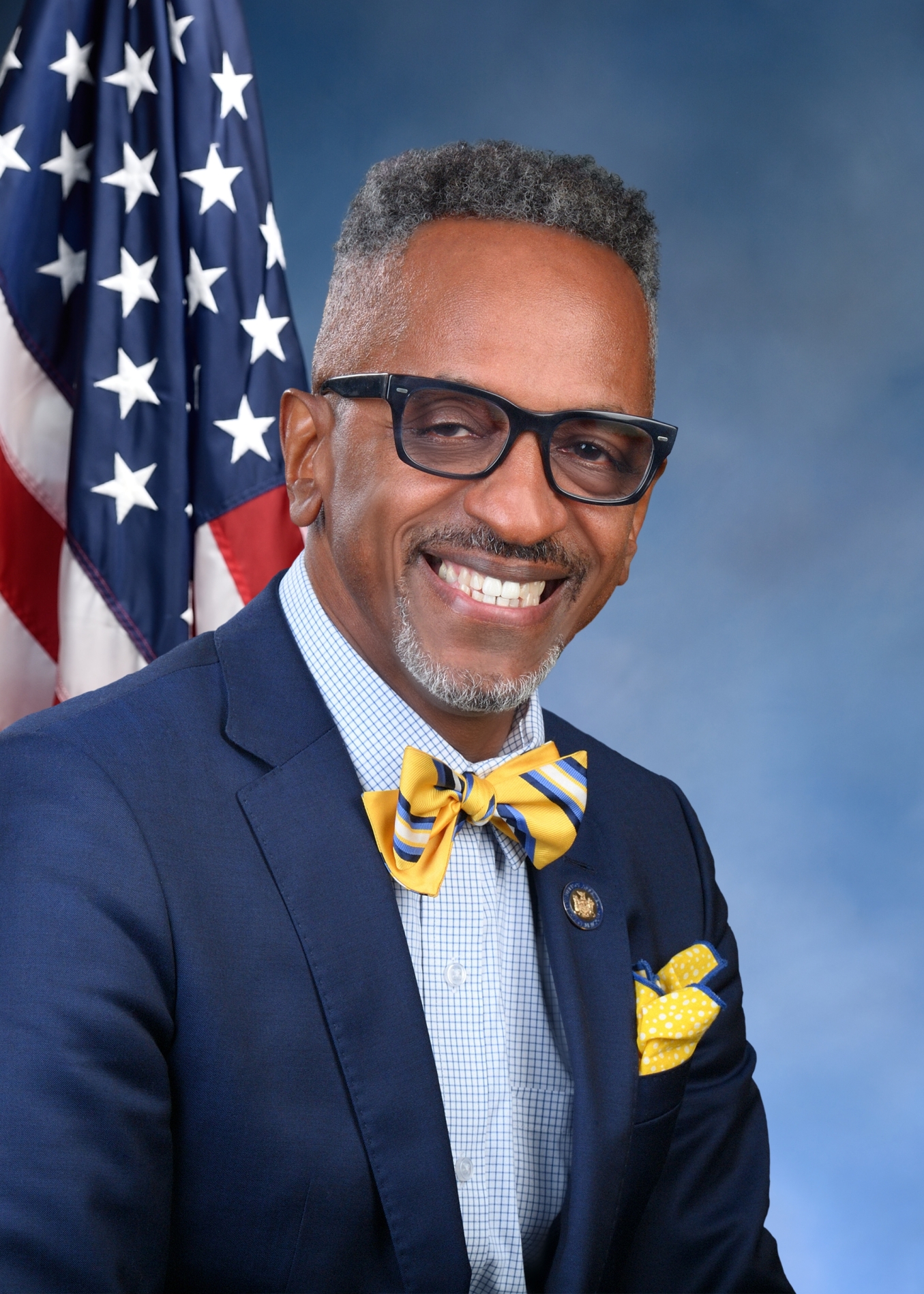
Asm. Al Taylor
Sponsored bills
Enacts the "NY broadband resiliency, public safety and quality act" to provide for oversight of the resiliency, public safety and quality of broadband and voice over internet protocol service.
Establishes the "no severance ultimatums act", which prevents employers from giving coercive ultimatums to employees or former employees relating to severance agreements.
Prohibits governmental entities from entering into agreements to house individuals in immigration detention facilities; requires governmental entities to terminate existing contracts for the detention of individuals in immigration detention facilities.
Establishes the Marshall plan for moms interagency task force to examine, issue proposals and make recommendations on multiple policy areas to address the disproportionate burden mothers have weathered from the economic fallout of the COVID-19 pandemic.
Removes the exclusion of part-time employees from certain definitions relating to employment and expanding the definition of employer; removes certain exclusions for employer notice requirements for the closing of a facility; removes the discretionary reduction of penalties for employers for certain acts or omissions concerning notice requirements for mass layoffs, relocations or employment loss; removes the maximum time period for determining back pay and other liabilities for certain employees who experience employment loss; allows the attorney general to take certain action to assist certain employees in receiving back pay and other liabilities; requires employers to pay severance to employees when there is a plant closing, relocation, or mass layoff.
Relates to requirements regarding employers including opioid antagonists where first aid kits are required by federal law; amends the effectiveness thereof.
Maddy summaryThis bill increases the franchise tax rate for large businesses in New York. Specifically, it raises the tax to 9% of business income base for taxable years beginning on or after January 1, 2025, for businesses with an annual business income base exceeding $5 million. The change modifies existing tax law to apply this higher rate starting in 2025, replacing a previous 7.25% rate that applied from 2021 through 2024. This directly affects corporations and businesses meeting the $5 million income threshold in the state.
Maddy summaryThis bill allows New York City police officers who previously worked as traffic enforcement agents to count that prior service toward their retirement benefits. Officers must pay the equivalent of what they would have contributed to the pension fund if they had started as police officers from the beginning. The provision applies only to those hired as traffic enforcement agents before July 1, 2009, before transferring to the police force. It ensures prior service is recognized without requiring additional employment periods.
Maddy summaryThis bill prohibits early voting on federal holidays during the designated early voting period for elections. If early voting would otherwise include a federal holiday, the election board must add one extra day to the early voting window to compensate. The law directly affects voters who might have planned to vote during early voting on a federal holiday and election boards responsible for scheduling and managing voting periods.