

Maddy summaryThis bill significantly expands eligibility for judicial diversion programs, allowing individuals charged with a broader range of offenses to participate if they have a "qualifying diagnosis." This diagnosis includes serious mental disorders, other mental health disorders causing severe functional impairment, or substance use disorders. While most Class A felonies and Class B sexual offenses are generally excluded, the bill establishes a new "diversion part" in each county. It also redefines "treatment" within these programs to include evidence-based interventions outside of carceral settings.
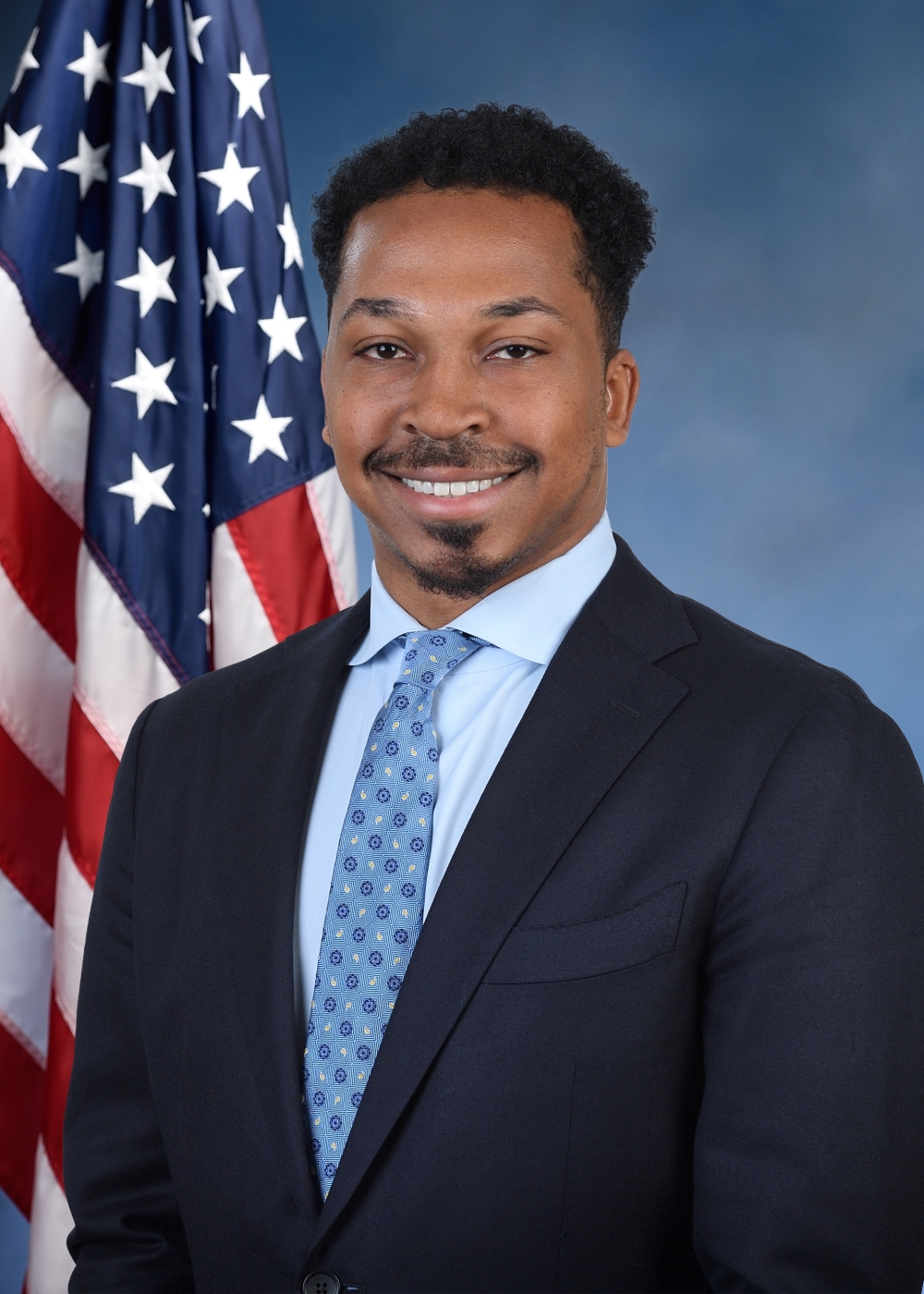
Rep. Jordan Wright
Sponsored bills
Establishes a program for specific individuals to become complex care assistants and provide private duty nursing services to certain Medicaid enrollees.
Establishes a state SNAP minimum benefit program to provide a minimum amount of supplemental nutrition assistance program benefits that is higher than the amount of federal SNAP benefits.
Prevents discrimination by insurers based on an individual's mental health or substance use disorder; incorporates into law federal enforcement rules set forth in the federal mental health parity and addiction equity act of 2008.
Maddy summaryThis bill amends New York's public authorities and economic development laws to expand eligibility for loan assistance to employee-owned businesses. It adds a new loan preference criterion requiring that at least half of a project's membership be from qualifying groups, including lesbian, gay, bisexual, transgender, and non-binary individuals, alongside existing racial/ethnic minority categories. The change directly affects employee groups seeking to purchase shuttering or relocating manufacturing plants through existing state loan programs. Key provisions update definitions to explicitly include LGBTQ+ individuals as part of "minority business enterprise" eligibility under the economic development law. The policy modifies how loan applications are evaluated but does not create new funding.
Enacts the "home utility weatherization jobs act"; requires each gas corporation, electric corporation, or combination gas or electric corporation to submit to the public service commission for review and approval at least one and up to ten neighborhood scale weatherization and electrification-ready projects.
Maddy summaryThis bill increases the residential solar tax credit to 26% of qualified solar equipment costs, with new maximum credit amounts: $3,750 for installations before 2026, $5,000 for installations in 2026, and $10,000 for installations in 2027 and after. It applies to homeowners who install solar systems in their principal residence within the state, covering equipment purchases, long-term leases (10+ years), and power purchase agreements (10+ years). The credit can be carried over for up to five years if it exceeds annual tax liability, and for low-income taxpayers or those in disadvantaged communities, excess credit may be refunded starting in 2026.
Relates to establishing the "340B prescription drug anti-discrimination act"; prohibits pharmaceutical manufacturers and pharmacy benefit managers from discriminating against covered entities and New York state pharmacies based on participation in the drug discount program authorized by section 340B of the federal public health service act.
Prohibits immigration enforcement in school settings; prohibits all public and charter schools from allowing law enforcement officials inside school property to access a student, except to address an imminent safety situation or if they have an appropriate judicial warrant or judicial order.
Establishes the "earned time act" providing for time allowances against the term or maximum term of sentences imposed by the court to be credited on an annual pro rata basis.