

Maddy summaryThis bill prohibits involuntary servitude and forced labor in all New York state and local correctional facilities, directly affecting incarcerated individuals. It amends the Civil Rights Law to explicitly ban slavery, involuntary servitude, and forced labor for all people in New York - including those convicted of crimes - and adds a new Correction Law section prohibiting any labor compelled through force, threats, or adverse actions (like disciplinary measures). The law makes it illegal for facilities to require labor against an individual's will using coercion or fear of punishment. This represents a concrete legal change to end forced labor practices within New York's prison system.
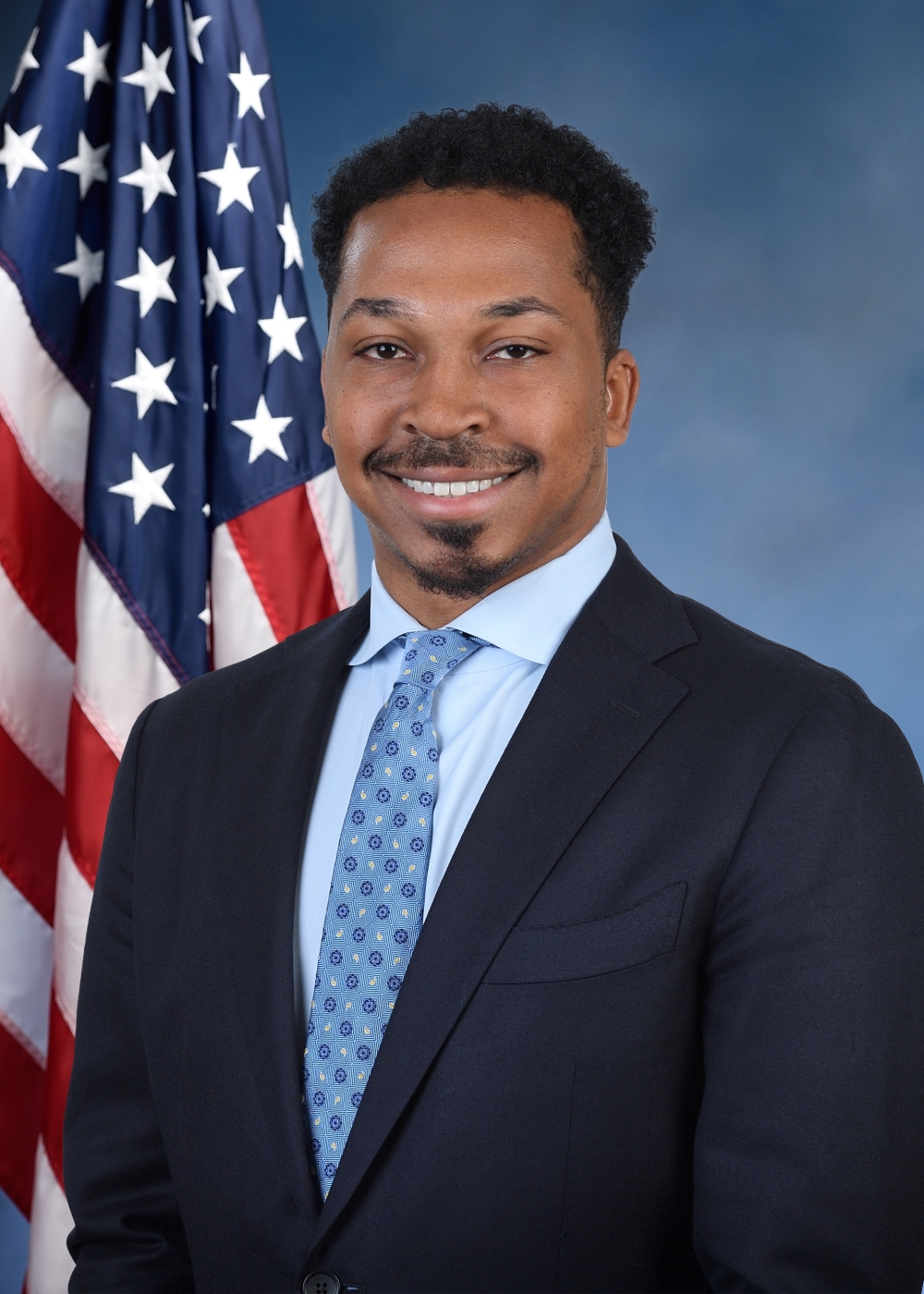
Rep. Jordan Wright
Sponsored bills
Establishes the relocated worker grant program which requires the empire state development corporation to design and implement the relocated worker grant program which shall include a certification process to certify relocated workers and certify qualifying expenses for a reimbursement grant; defines terms; makes related provisions.
Maddy summaryThis bill creates a new civil lawsuit pathway for individuals whose constitutional or federal rights were violated by government actors (such as police, courts, or public officials). It allows victims to sue for damages and court-ordered remedies, removes common defenses like "I thought it was legal," and requires courts to award attorney fees to winning plaintiffs - even if the case settles without a formal judgment. Public entities (like cities or state agencies) must cover their employees' legal costs if sued under this law, and lawsuits must be filed within three years of the violation. It directly affects people harmed by government overreach, ensuring they have a clear legal route to seek redress for rights violations.
Expands health care services provided by telehealth to include services delivered through a facility licensed under article twenty-eight of the public health law that is eligible to be designated or has received a designation as a federally qualified health center, including those facilities that are also licensed under article thirty-one or article thirty-two of the mental hygiene law.
Maddy summaryThis bill establishes a legal right to counsel for eligible immigrants in New York during immigration proceedings. It applies to income-eligible non-citizens or those with significant New York ties (like residents or cases tied to NY courts) facing removal or detention under federal immigration law. The New York State Office for New Americans will administer the program, providing initial consultations and ongoing legal representation starting when a case begins (e.g., upon receiving a "Notice to Appear") and continuing until the case concludes. Legal services must be offered regardless of the proceeding's location, including federal immigration courts outside New York.
Relates to establishing the housing access voucher program; provides that the commissioner of the division of housing and community renewal shall implement a program of rental assistance in the form of housing vouchers for eligible individuals and families who are homeless or who face an imminent loss of housing; provides that the commissioner shall designate housing access voucher local administrators in the state to administer the program.
Enacts the building up immigrant legal defense or BUILD act to provide competitive workforce development and capacity building grants to eligible entities that are seeking to expand access to representation for individuals facing deportation by increasing the workforce and strengthening the legal services infrastructure needed to provide such representation.
Requires that public schools provide instruction on climate change, including but not limited to identifying the causes and impacts of climate change on individuals, environments and communities, and learning to evaluate solutions.
Creates a computer science course requirement for graduation from high school; directs the department of education to design and implement such program.
Retroactively adjusts the compensation of formerly incarcerated individuals who were unjustly convicted; exempts such adjusted income from state income taxes.