

Maddy summaryThis bill establishes a new class D felony charge for causing an animal's death when the act is part of an existing animal cruelty crime under sections 353 or 353-a of the Agriculture and Markets Law. It directly affects individuals who commit acts like overdriving, torturing, or unjustifiably injuring animals, resulting in death - elevating penalties from current misdemeanors to a felony. Key mechanisms include amending existing cruelty statutes to explicitly include "killing" as prohibited conduct and creating the new felony for death resulting from such acts. The policy change specifically upgrades criminal penalties for severe animal cruelty outcomes, without creating new prohibited behaviors.
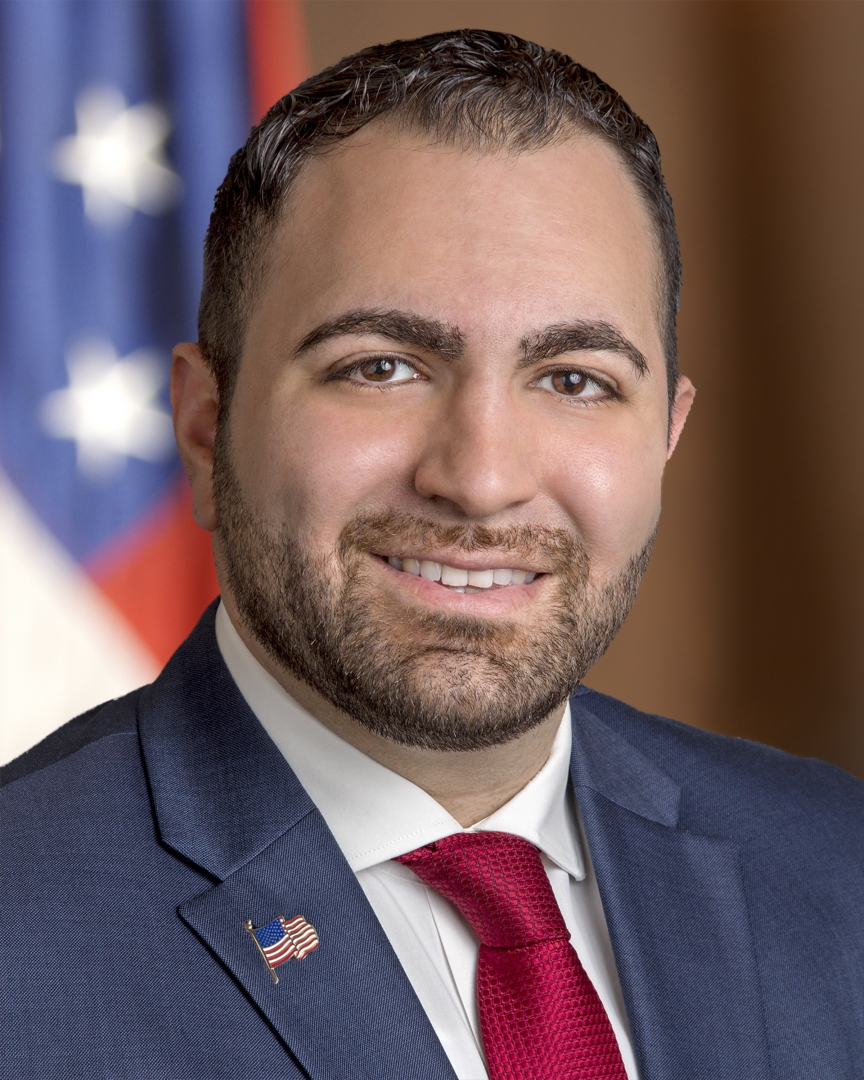
Asm. Mike Tannousis
Sponsored bills
Enacts "Officer Randolph Holder's law"; modifies how eligibility is determined for the judicial diversion program for certain felony offenders; requires consent of the prosecutor.
Provides that the comptroller shall examine and audit all state or federal funds appropriated or received for the humanitarian aid including short term shelter services to migrant individuals and families, including costs associated with humanitarian emergency response and relief centers for individuals entering short term shelter on or after April 1, 2024 in New York city or any other municipality in New York state.
Requires the parole board to provide notice to the crime victim or victim's representative that a parolee or releasee is being discharged or released.
Expands the crime of aggravated assault upon a police officer or a peace officer by removing the requirement that such injury be caused by a dangerous or deadly instrument.
Maddy summaryThis bill (A 6395) requires stricter outdoor shelter standards for dogs left outside during bad weather. It mandates that shelters must have a waterproof roof, climate-appropriate insulation to prevent heat loss, enough space for dogs to stand, turn, and lie down comfortably, and effective waste management. During November through March, shelters must also include a windbreak at the entrance. These rules apply directly to dogs housed outdoors in inclement conditions and require regular cleaning to maintain sanitation.
Establishes a child care program capital improvement tax credit program for child care programs to provide financial assistance to New York's child care providers to facilitate the enhancement, expansion, and improvement of access to quality child care.
Requires duly incorporated humane society, pound or shelter to make reasonable efforts to locate the owner of certain animals or provide for the fostering or adoption of such animals; provides that such efforts shall include, but not be limited to, checking such animals for identification, social media, placing a photograph and general description, and other identifying information on the internet.
Maddy summaryThis bill (A 1467) adds "to recover after a stillbirth" as a qualifying reason for paid family leave under New York's workers' compensation law. It directly affects employees who experience a stillbirth, allowing them to take paid leave for recovery. The key provision amends existing law to include stillbirth recovery alongside other covered reasons like bonding with a newborn or caring for a family member with a serious health condition. The change applies to all policies or contracts issued, renewed, or modified after the effective date. This is a specific policy update to expand access to paid leave for a defined health-related event.
Maddy summaryThis bill (A 6373) amends New York's agriculture and markets law to expand the definition of "aggravated cruelty to animals" to apply to **all animals**, not just companion animals like pets. It removes the previous restriction that limited the law to "companion" animals, meaning the legal standard for severe cruelty now covers every animal species. The key change modifies the law's language to define "aggravated cruelty" as conduct causing extreme pain or being especially depraved/sadistic, regardless of the animal's type. This update directly affects how animal cruelty cases are prosecuted under state law, ensuring all animals are protected under the same severe penalty framework. The bill was referred to the Agriculture committee on March 4, 2025.