

Maddy summaryThis bill amends the private housing finance law to modify local tax exemptions for certain limited-profit housing projects. For these projects located in cities with a population of one million or more, it sets the maximum amount of local and municipal taxes to be paid at zero percent of the annual shelter rent or carrying charges. This effectively removes the previous minimum tax requirement tied to a percentage of shelter rent or 1973 tax levels for these projects. For projects in other municipalities, the local legislative body retains the ability to consent to similar tax reductions, with such consent requiring renewal every ten years.
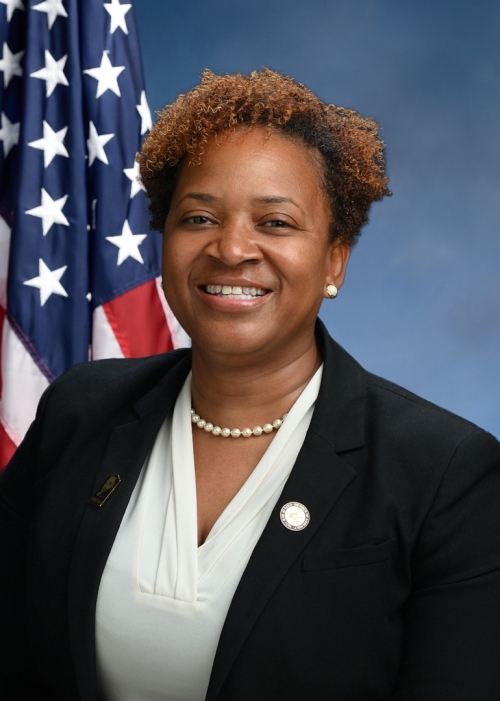
Asm. Nikki Lucas
Sponsored bills
Provides the NYC water board shall not establish a limit of less than six years to challenge any fee, rate, rent or other service charges for the use of or services furnished by the water board and/or sewerage systems.
Prohibits telephone corporations from charging a caller any increased rates, charges, or fees for long-distance or other calls without first notifying such caller.
Relates to returnable bottles; adds noncarbonated soft drinks, certain noncarbonated fruit or vegetable juices, coffee and tea beverages, carbonated fruit beverages and cider to the definition of "beverage"; provides that beginning April 1, 2027, the handling fee will be six cents for each beverage container accepted by a deposit initiator from a dealer or operator of a redemption center; directs the multi-agency bottle bill fraud investigation team to submit a report on findings of pervasive bottle redemption fraud in New York state.
Maddy summaryThis bill makes it a felony to intentionally stage a construction site accident to file a fraudulent insurance claim. It directly affects individuals or groups who enter construction sites to fake injuries or damage with the specific intent of submitting a false insurance claim. The law criminalizes both personally staging such accidents and directing others to do so, treating it as a class E felony punishable by prison time. The key provision creates a new criminal offense specifically targeting insurance fraud at construction sites.
Allows for treatment costing less than $1,500 to be done without prior approval, and more clearly defines the list of "pre-authorized procedures" as a floor on treatment as opposed to its current status as a ceiling; allows non-network providers of testing to be compensated at the provider network rate negotiated by the carrier.
Authorizes the transfer of pregnant and postpartum incarcerated individuals to residential treatment facilities; requires annual reporting on the number of such incarcerated individuals transferred.
Establishes a state SNAP minimum benefit program to provide a minimum amount of supplemental nutrition assistance program benefits that is higher than the amount of federal SNAP benefits.
Requires businesses that allow automatic renewals, continuous service offers, and automatic subscription renewals to provide notice regarding cancelling such renewals, services, or subscriptions.
Maddy summaryThis bill allows hospice medical directors (or physicians they designate) to sign death certificates for patients under their care, instead of requiring the last attending physician. It directly affects hospice providers and medical staff by clarifying who can legally certify a patient's death in hospice settings. The key change amends Public Health Law to explicitly include hospice medical directors in the list of authorized signers, alongside physicians or nurse practitioners. This updates existing law to reflect current hospice care practices without altering patient rights or healthcare access.