

Maddy summaryThis bill prohibits state parks, recreational facilities, and historic sites from requiring visitors to use credit cards to pay fees for using their facilities or services. Instead, these locations must accept cash payments from all patrons, while still allowing them to voluntarily accept credit cards if they have an agreement with a financing agency. The law gives agencies the authority to set their own terms for accepting credit cards but explicitly bans any mandate forcing customers to use them. This change ensures that visitors have the option to pay with cash at state-managed venues.
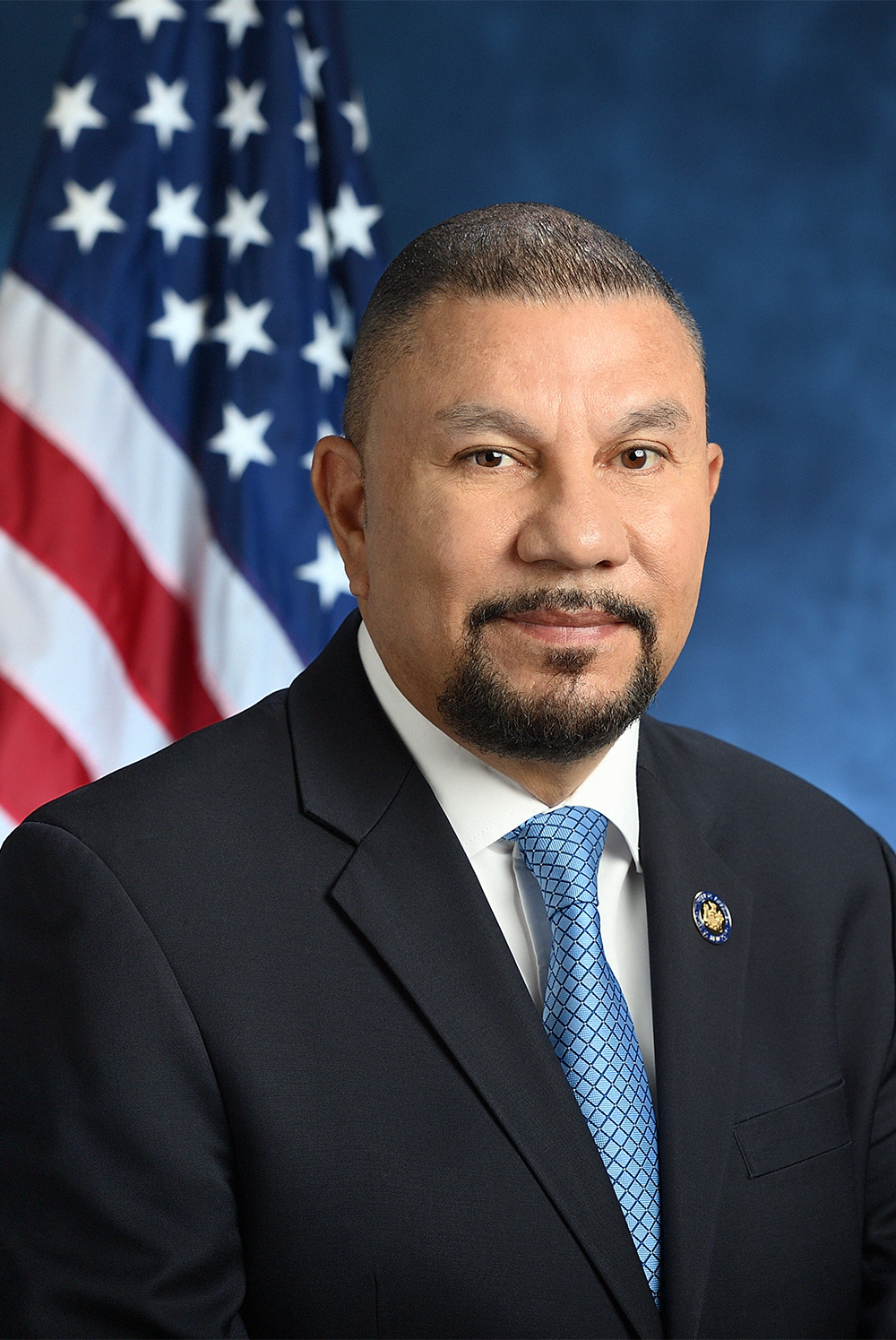
Asm. Phil Ramos
Sponsored bills
Establishes the universal stop false police reporting act which establishes the crimes of aggravated falsely reporting an incident in the first, second, and third degrees when a person commits the crime of falsely reporting an incident in the first, second, or third degree and such person intended to harass, annoy, threaten, or alarm another person because of a believe or perception regarding a person's race, color, national origin, ancestry, religion, gender, disability, sexual orientation, gender identity or expression, or ethnicity; authorizes officers to arrest persons believed to have committed falsely reporting an incident without first obtaining a warrant; includes such falsely reporting as a hate crime; establishes databases of law enforcement officers and persons convicted of falsely reporting; requires notifying persons of the termination of certain criminal actions or proceedings.
Clarifies that the New York state health insurance program remains subject to certain provisions of the financial services law and coverage for usual and customary costs for out-of-network health care service.
Maddy summaryThis bill updates the rules for granting tax exemptions to large development projects to include a specific evaluation of whether the project provides onsite child daycare facilities. It requires state agencies and public authorities to create a uniform policy that considers various factors, such as job creation, environmental impact, and revenue generation, before approving tax breaks. By adding daycare provision to the list of criteria, the legislation ensures that future tax exemptions are part of a broader assessment of a project's benefits to the community. The changes apply immediately to new projects but do not affect those already under review before the law takes effect.
Establishes the warehouse worker injury reduction program; requires employers to establish an injury reduction program designed to identify and minimize the risks of musculoskeletal injuries and disorders among workers involved in performing manual materials handling tasks.
Establishes the climate change adaptation cost recovery program to require companies that have contributed significantly to the buildup of climate-warming greenhouse gases in the atmosphere to bear a share of the costs of needed infrastructure investments to adapt to climate change; mandates that projects funded by the program require compliance with prevailing wage requirements; requires that contracts for funded projects contain a provision that the structural iron and structural steel used or supplied in the performance of the contract or any subcontract thereto shall be produced or made in whole or substantial part in the United States, its territories or possessions; makes additional provisions; establishes the climate change adaptation fund.
Allows for treatment costing less than $1,500 to be done without prior approval, and more clearly defines the list of "pre-authorized procedures" as a floor on treatment as opposed to its current status as a ceiling; allows non-network providers of testing to be compensated at the provider network rate negotiated by the carrier.
Authorizes the Church of the Living God Pillar & Ground to file an application for exemption from real property taxes for the 2022-2023 assessment rolls.
Creates a wholesale prescription drug importation program which complies with federal standards and regulations for the purpose of generating substantial savings for consumers.
Increases the number of judges in family court to 67; adds twelve additional judges to the civil court of the city of New York; adds additional family court judges to Cayuga, Chenango, Cortland, Erie, Jefferson, Nassau, Rensselaer, Rockland, Suffolk and Westchester counties.