

Imposes an additional tax surcharge on certain non-primary residence class one and class two properties in a city with a population of one million or more.
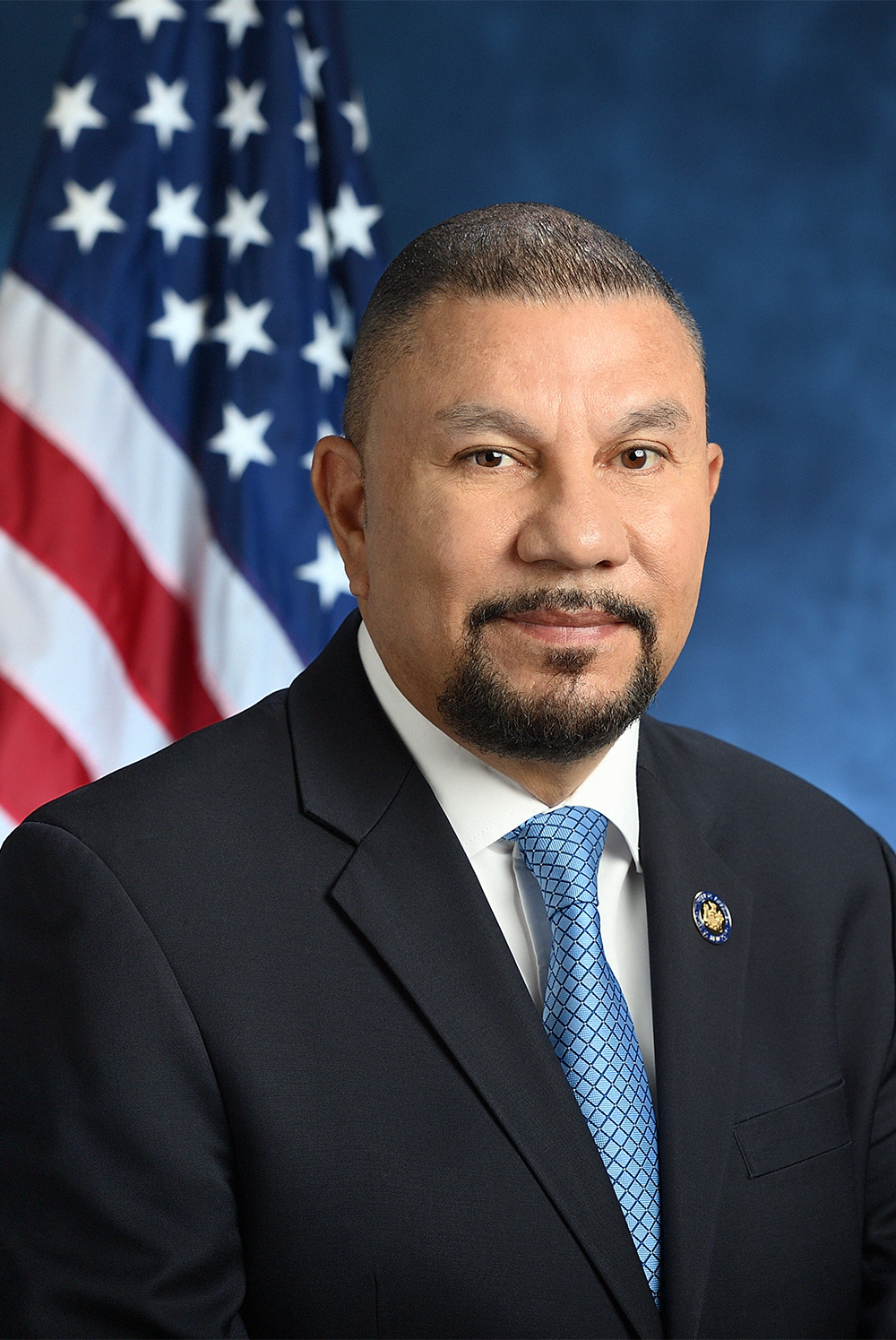
Asm. Phil Ramos
Sponsored bills
Relates to protecting the communication rights of individuals with disabilities; provides that each person with a disability has the right to communicate in their preferred manner.
Maddy summaryThis bill eliminates processing fees for criminal history background checks required by mentoring programs operated by non-profit organizations. It directly affects qualifying non-profit mentoring programs and their volunteer mentors by removing a $25 fee (plus $50 surcharge) that previously applied. The key mechanism amends existing laws to require state agencies to provide these checks free of charge when requested by eligible programs. This change applies specifically to programs meeting the defined criteria under New York's social services law, such as those run by incorporated non-profits or educational institutions.
Enacts the "local, community and ethnic media commitment act"; requires state agencies to publish certain information in local, community and ethnic media; defines local, community and ethnic media; requires the office of general services to develop and maintain a list of local, community and ethnic media outlets.
Establishes Eid al-Fitr and Eid al-Adha as school holidays, with dates established by religious law and tradition; allows for school districts and municipalities with a population of less than fifty thousand to opt into the recognition of such holidays.
Maddy summaryThis bill (A 1220) makes permanent key provisions allowing nurse practitioners (NPs) to diagnose illnesses, prescribe treatments, and perform therapeutic measures within their specialty, **directly affecting NPs and collaborating physicians**. It requires written practice agreements between NPs and collaborating physicians that include explicit dispute resolution procedures for disagreements over diagnosis or treatment. The bill clarifies that if agreements lack such provisions, the collaborating physician's decisions prevail. These changes update New York's education law to modernize NP practice standards without adding new restrictions. (Bill A 1220, Section 1 & 2, Education Law)
Requires the commissioner of labor to adopt regulations prescribing the methodology for establishing an annual employment statistics index which shows unemployment rates of hamlets and unincorporated villages of the state; directs such commissioner shall prepare and submit an annual report on such index.
Enacts the "faith-based affordable housing act" for development on residential land; defines terms; provides that each village, town, and city shall allow the construction and occupation of residential buildings on any covered site up to the specified densities; provides that all residential buildings constructed pursuant to this section in a town, village, or city with fewer than one million inhabitants shall set aside twenty percent of the residential floor area for households earning an average of eighty percent of area median income; outlines the densities for New York city; makes related provisions.
Maddy summaryThis bill changes New York's parole process by requiring the state board of parole to consider specific factors before granting release. It mandates evaluation of rehabilitation efforts (like programs, therapy, and work assignments), release plans (including housing, jobs, and support services), and deportation status, while prohibiting decisions based mainly on victim statements or prior criminal records. Parole denials must include detailed written explanations, and the board must report quarterly to lawmakers with demographic data on denied cases (excluding individual identities). These changes aim to standardize parole decisions and increase transparency.
Maddy summaryThis bill gives New York's Board of Regents final authority to approve or reject all new and renewed charter schools, directly affecting charter school applicants and operators. It requires charter entities to revise proposals based on Regents' feedback and resubmit them for final review, with the Regents having 30 days to act on resubmitted applications. If the Regents do not approve within 30 days, the charter is automatically approved. The bill also states that a charter cannot be approved by the applicant if the Regents recommend changes that remain unresolved. This changes the current process by making the Regents' approval the final step, not the applicant's decision.