

Requires any dealer where lithium-ion batteries, bicycles with electric assist, micromobility devices and limited use motorcycles are sold at retail or repaired, and/or lithium-ion electric batteries are housed in a storage facility to maintain functional fire protection and suppression measures effective against lithium-ion battery and electrical fires, including but not limited to Class B extinguishers, battery cases, and automatic monitoring and detection; authorizes the department of state to promulgate necessary rules and regulations; imposes a fine of $250 for a knowing violation to comply with such provisions.
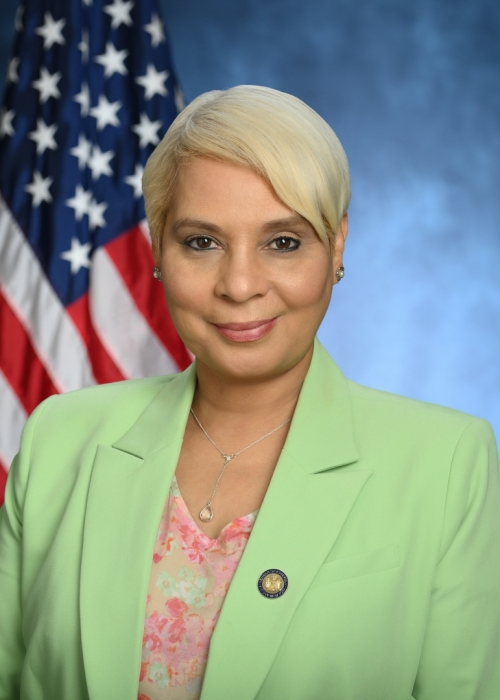
Asm. Maritza Davila
Sponsored bills
Requires the Medicaid inspector general to comply with standards relating to the audit and review of medical assistance program funds; establishes procedures, practices and standards for the adjustment or recovery of a medical assistance payment from recipients; requires notice of certain investigations.
Maddy summaryThis bill directs the state education commissioner to rename the current high school equivalency diploma to the "Excelsior high school diploma." The legislation requires the commissioner to create and update the necessary rules and regulations to implement this name change. Once passed, the new name will officially apply to the diploma issued to adults who pass the state's equivalency exam. The law will take effect approximately 90 days after it is signed into law.
Waives the state's sovereign immunity to liability for violations of the Americans with Disabilities Act of 1990, the Fair Labor Standards Act, the Age Discrimination in Employment Act, and the Family and Medical Leave Act; waives the immunity of all instrumentalities and political subdivisions of the state.
Maddy summaryThis bill, known as the Veteran Family Educational Attainment Act, allows New York State veterans who have unused tuition award benefits to transfer those funds to a spouse, child, or survivor. To qualify for the transfer, the veteran must have served at least ten years, unless they were discharged due to death, medical issues, hardship, or involuntary separation. The recipient must be a resident of the state and, if a child, must be under twenty-six years old. The legislation also defines specific terms for eligible family members and survivors, including conditions under which a spouse or child qualifies for the benefit.
Maddy summaryThis bill requires railroad employers to provide light-duty assignments to pregnant employees who are medically cleared to work but cannot perform their regular tasks, ensuring they retain their full earnings and benefits during this period. It also establishes a paid parental leave program for railroad workers with at least 26 weeks of employment, offering up to 12 weeks of benefits at 67% of their average weekly wage to bond with a newborn or newly adopted child. These protections apply to both state-owned and private railroads and are designed to support employee health and family bonding without reducing their financial compensation.
Relates to utilization review program standards; requires use of evidence-based and peer reviewed clinical review criteria; relates to prescription drug formulary changes and pre-authorization for certain health care services.
Enacts the "Consumer and Small business Protection Act"; relates to standing for persons affected by prohibited or unlawful business practices; expands prohibited acts to include unfair, deceptive or abusive acts.
Maddy summaryThis bill requires state, county, and local transportation projects to prioritize safe access for all road users, including drivers, pedestrians, cyclists, and public transit riders. It mandates that agencies using complete street design principles consider these needs during the planning, design, and construction of new or rebuilt roads, while also applying these standards to maintenance projects lasting at least ten years. Additionally, the legislation updates the criteria for determining when a road project is unnecessary, adding community support as a key factor alongside traffic volume and land use. The law will not apply to projects approved before it becomes effective and will take effect approximately 260 days after passage.
Requires certain watercraft, aircrafts, and trains to use clean energy, including ensuring such vehicles are zero-emissions; requires NYSERDA to study zero-emission commercial vehicles, the use of renewable energy in publicly funded airports, and the use of sustainable aviation fuel; requires NYSERDA to administer a grant program to flying schools and clubs that install charging infrastructure.